Bee and Wasp Removal Done Right the First Time.
Live removal when conditions allow. Complete comb extraction. Structure repair and prevention included. Serving the entire Phoenix Valley.
"Home inspection was done for barriers to be placed for pigeon elimination at my residence. Area was cleaned with pressure wash and the barriers installed in a manner which is pretty unnoticeable. Thanks Raptor!"
- Tina Corvette Lady
Why Professional Bee Control Matters
Bees and wasps in Arizona are not a spray-and-hope situation.
The Phoenix Valley has one of the highest concentrations of Africanized honeybees in the country. These bees defend their hives aggressively, react to vibrations from lawnmowers and foot traffic, and can chase a perceived threat for a quarter mile or more. What looks like a calm cluster on your eave can turn dangerous in seconds.
Wasps and yellow jackets are a different problem but just as serious. They can sting repeatedly, build nests in ground burrows where kids and pets step on them, and nest inside wall voids where they go unnoticed until someone gets stung.
We do not just kill bees and leave. We remove the comb, repair the structure, seal the entry points, and treat the area so the problem does not repeat itself in three weeks.
Signs You May Have a Bee Problem
- A cluster of bees hanging from a tree branch, fence post, or eave
- Bees entering and exiting a crack, vent, or gap in your wall or roofline
- A visible wasp or yellow jacket nest under an eave, in a bush, or near a doorway
- Buzzing sounds coming from inside a wall or ceiling cavity
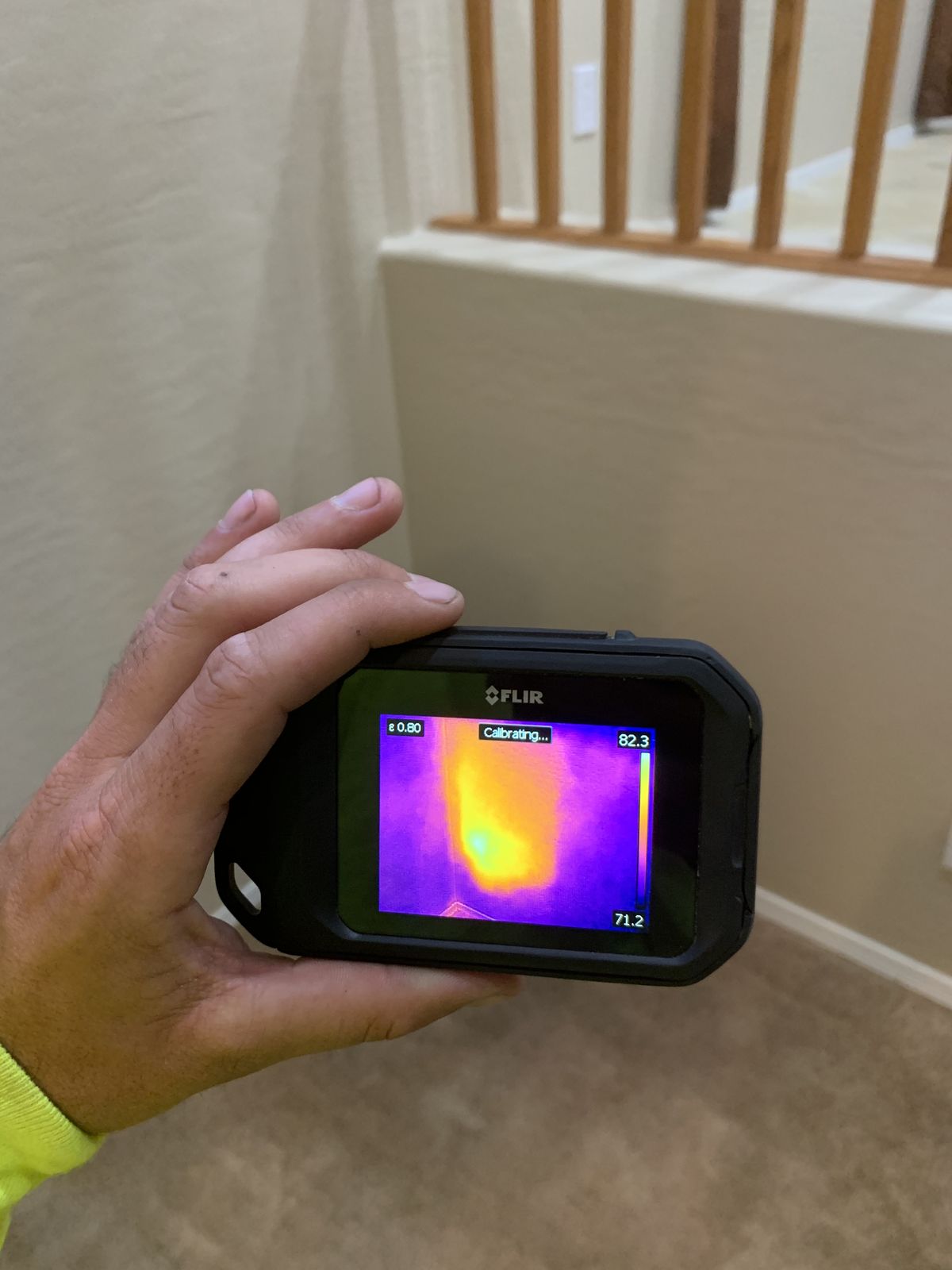
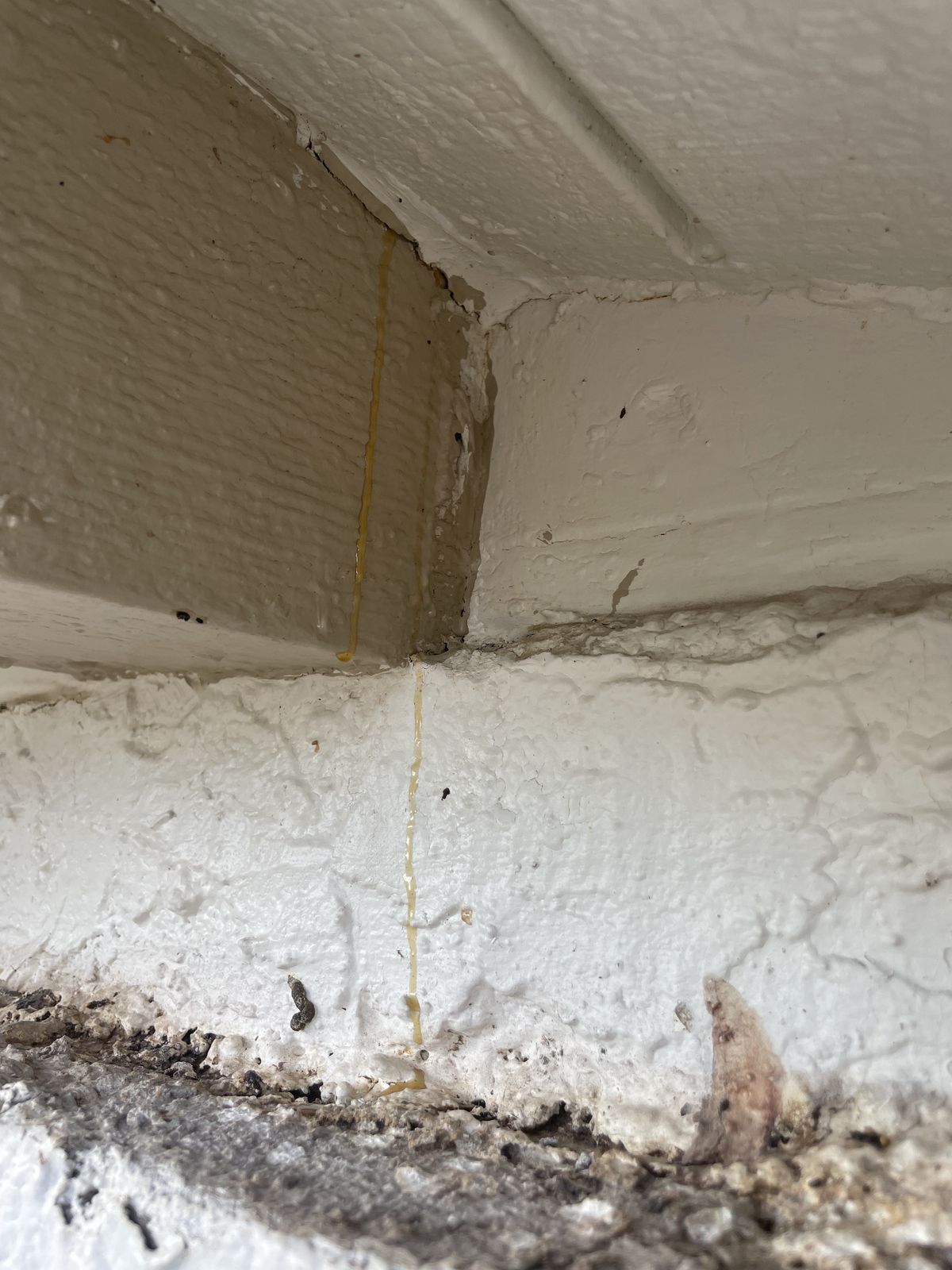
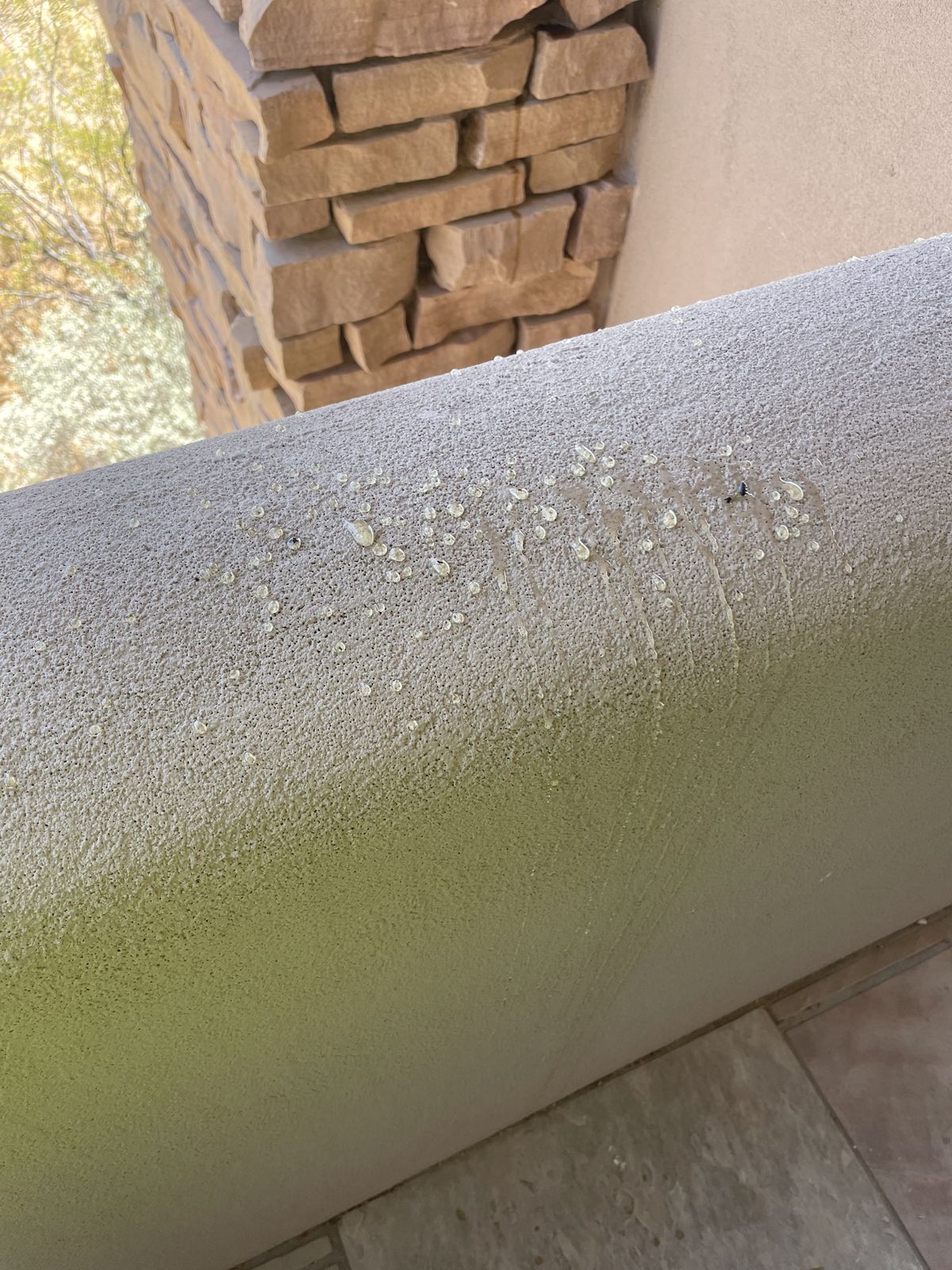
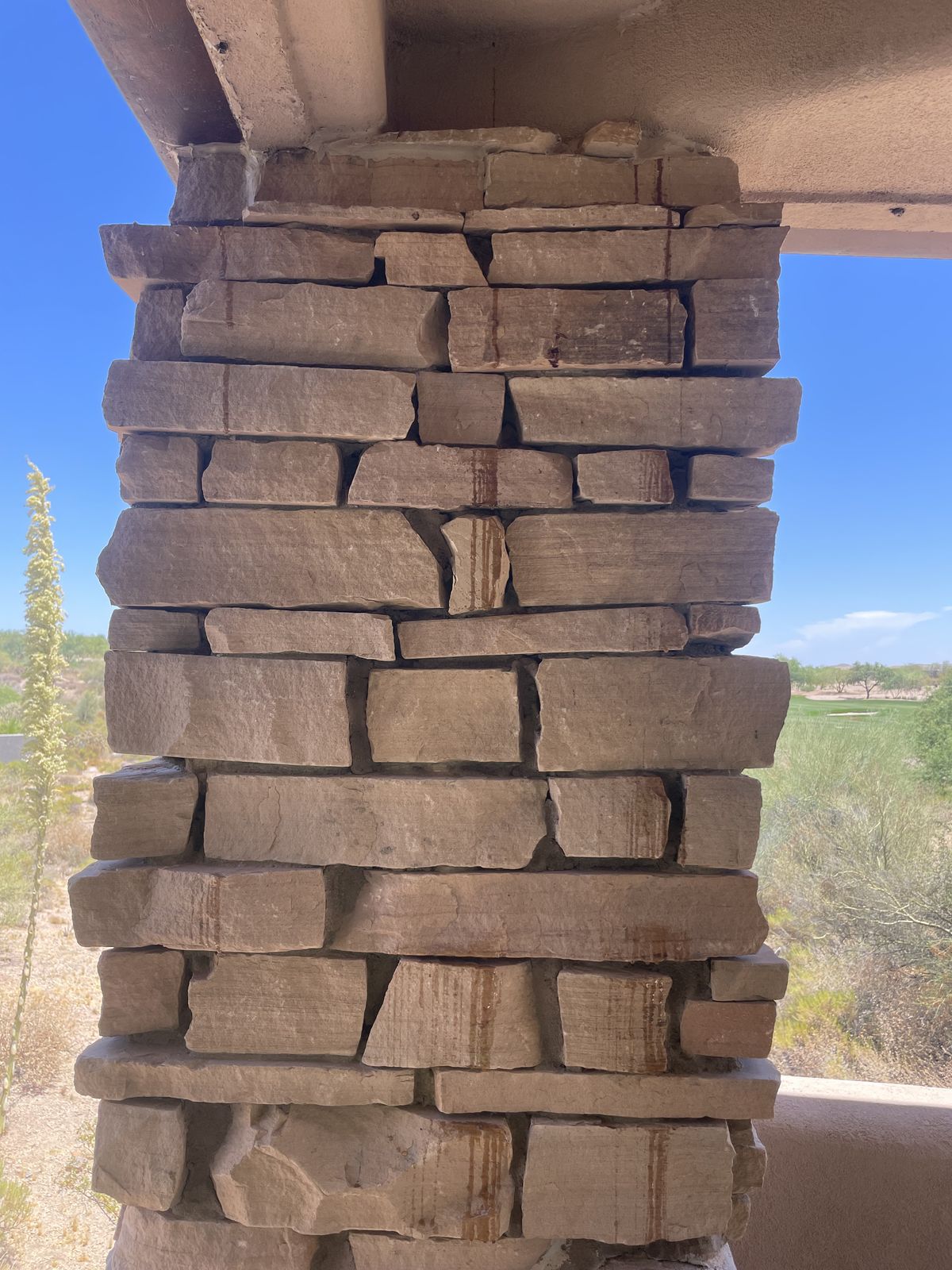
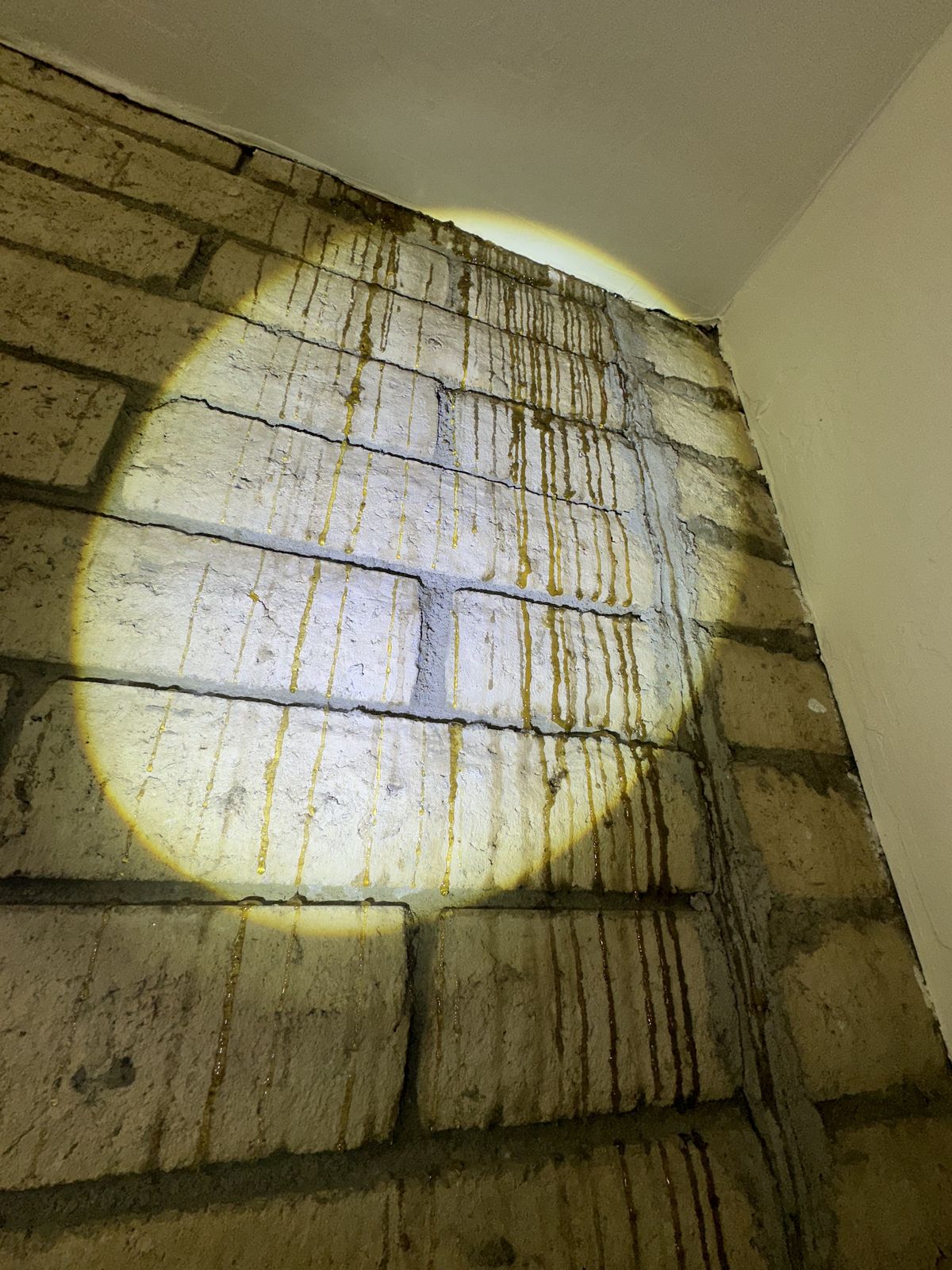
- Dark staining or honey residue on an interior wall or ceiling
- A sudden increase in bee or wasp activity around your pool, yard, or patio
- Aggressive swarming when you walk near a specific area of your property
What We Handle
From resting swarms to deep wall colonies, we deal with all of it.
Honeybee Swarms
A cluster of bees resting on a branch or surface while scout bees look for a permanent home. These are usually calm but should be removed before they move into your walls.
Established Hives
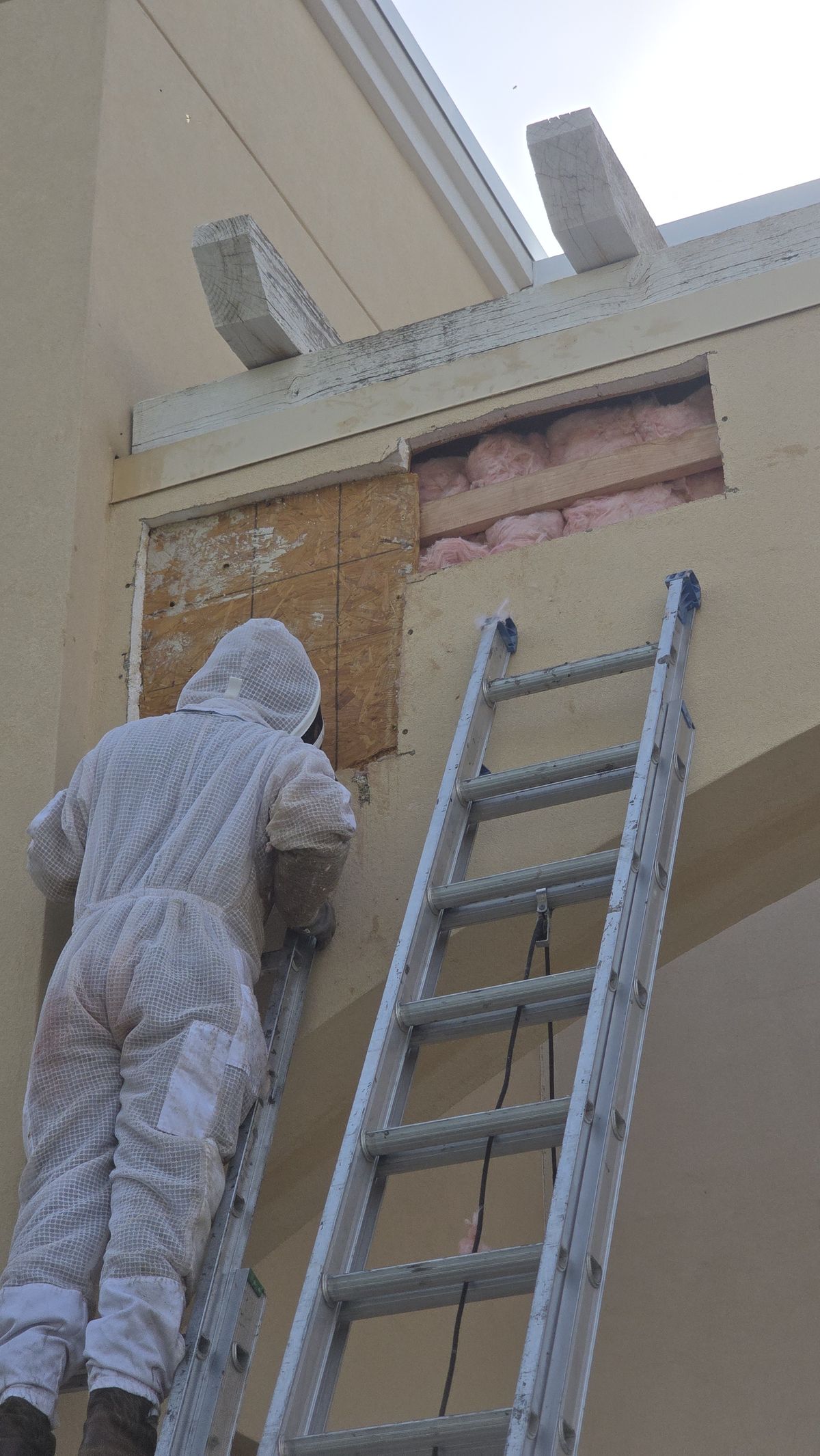
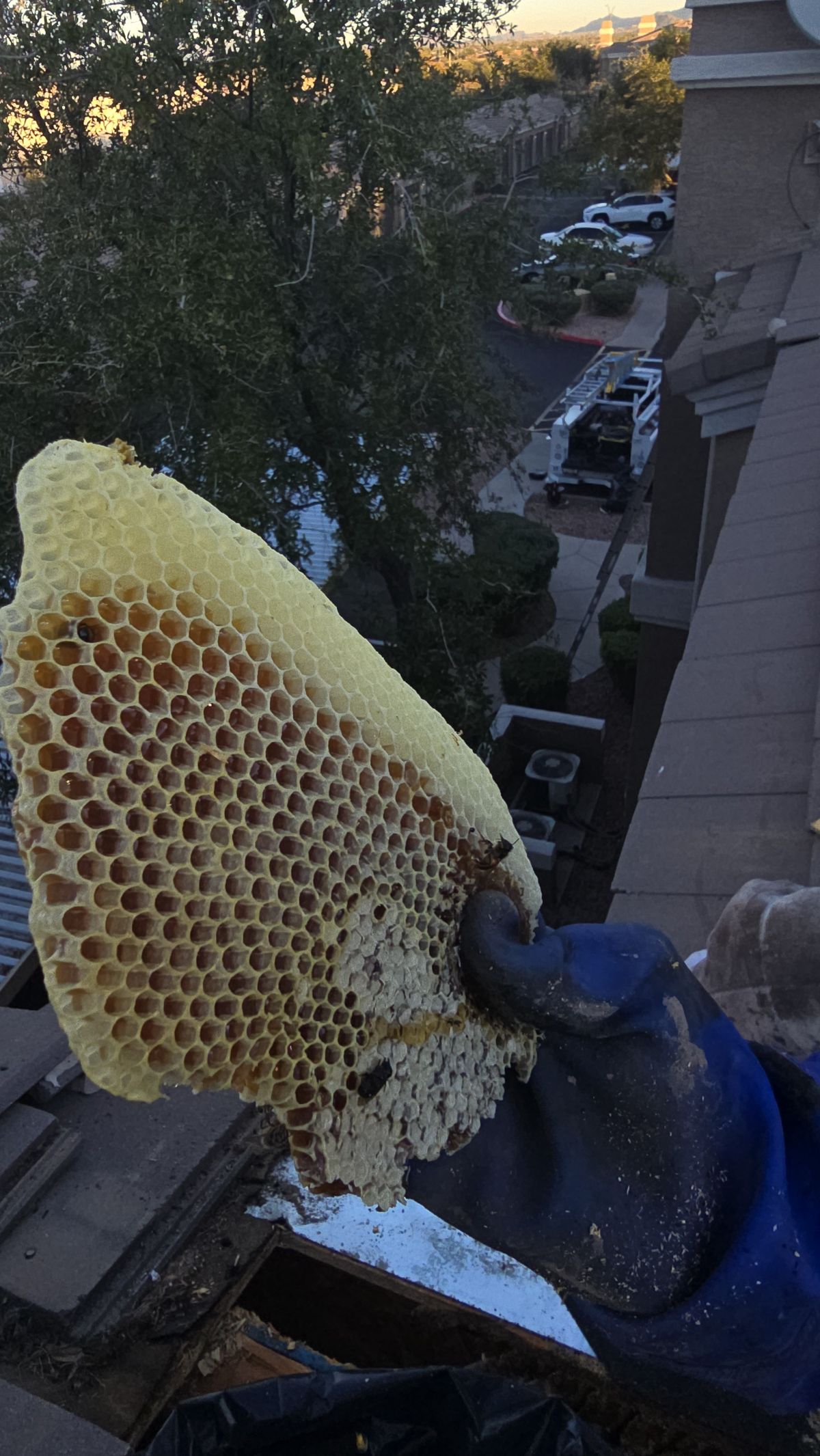
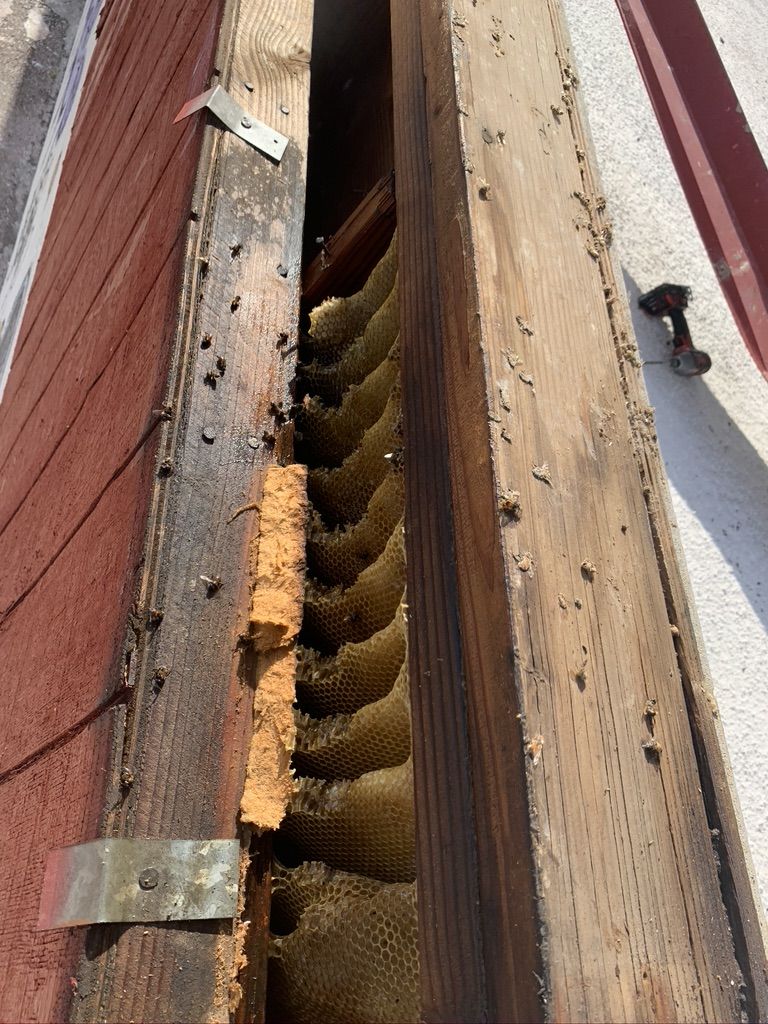
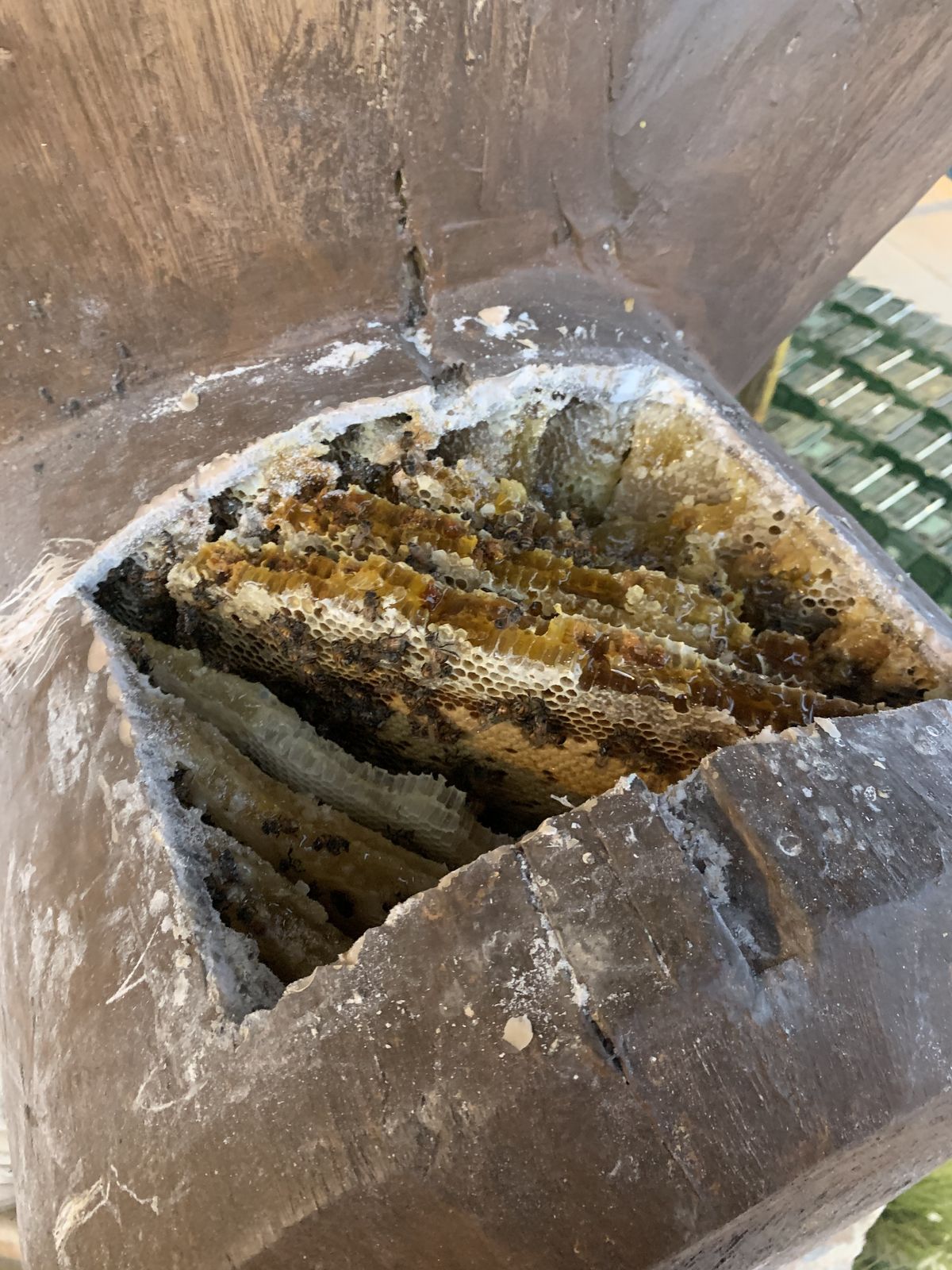
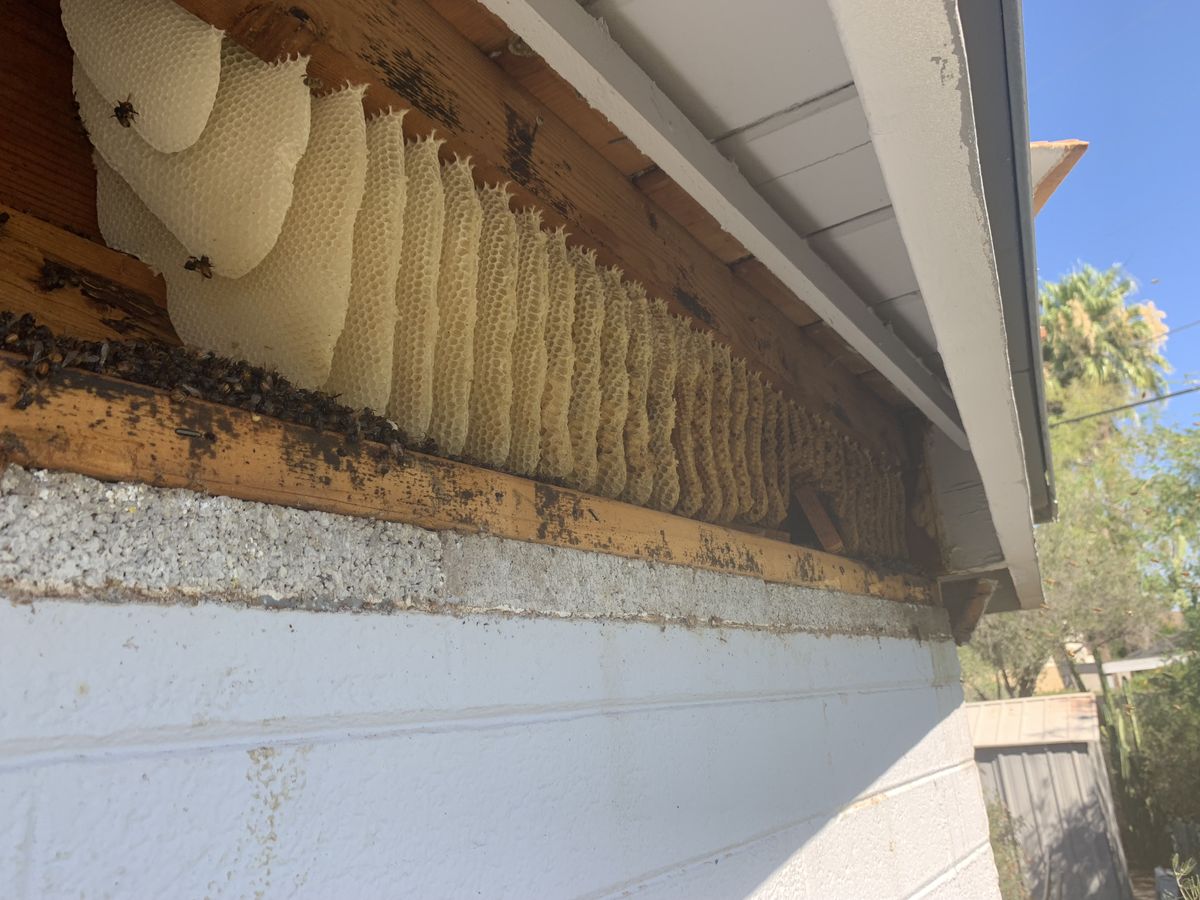
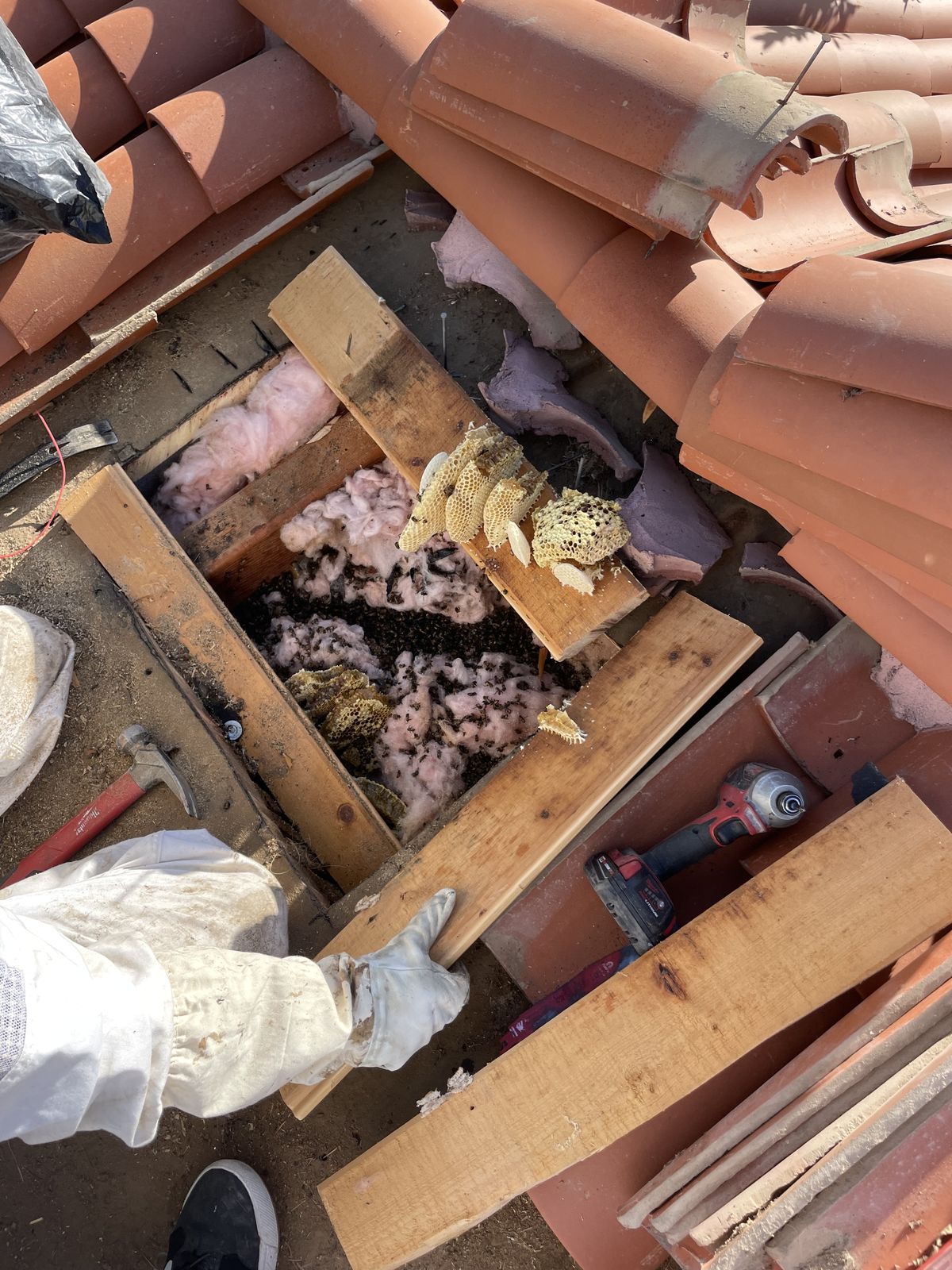
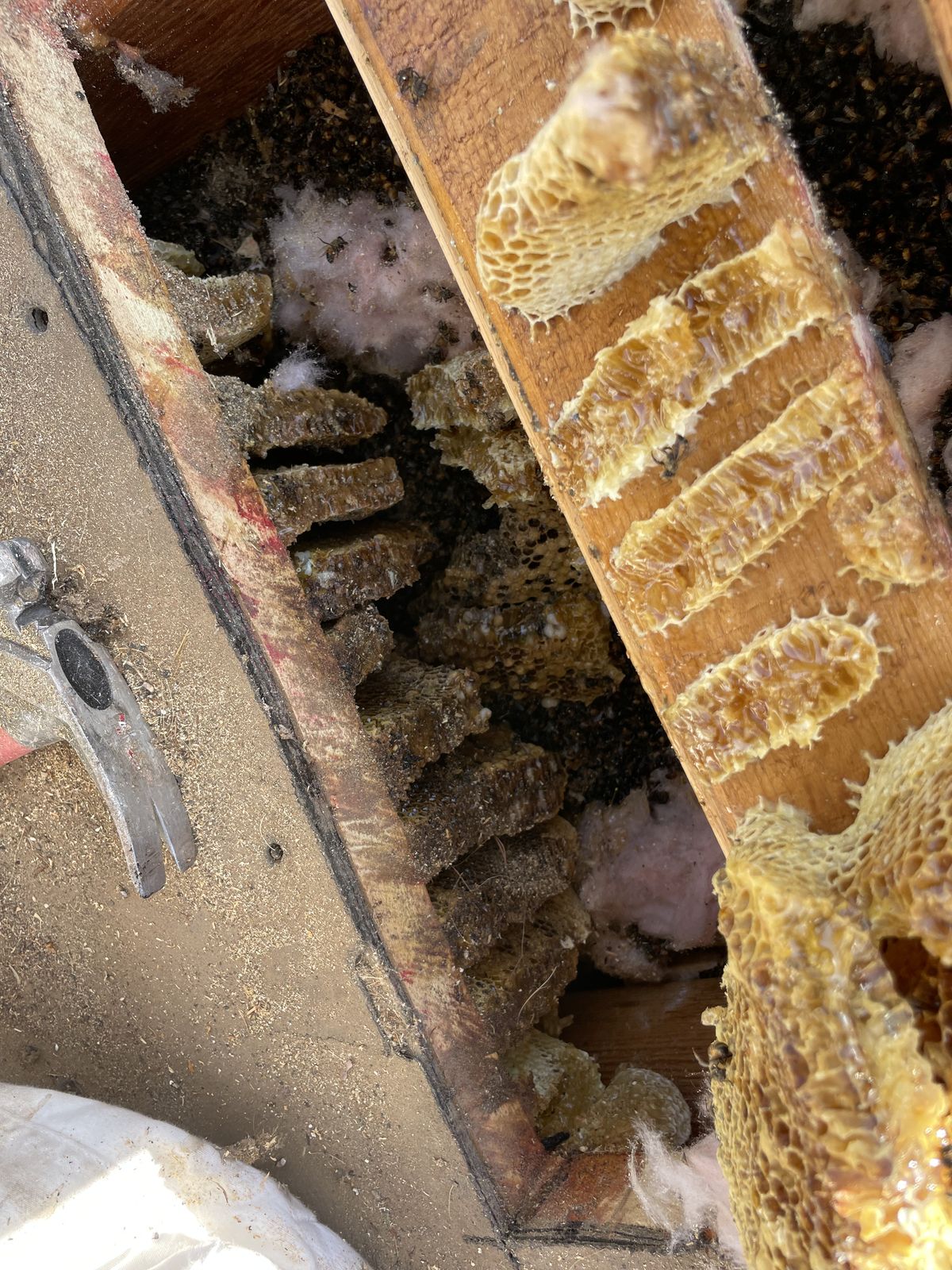
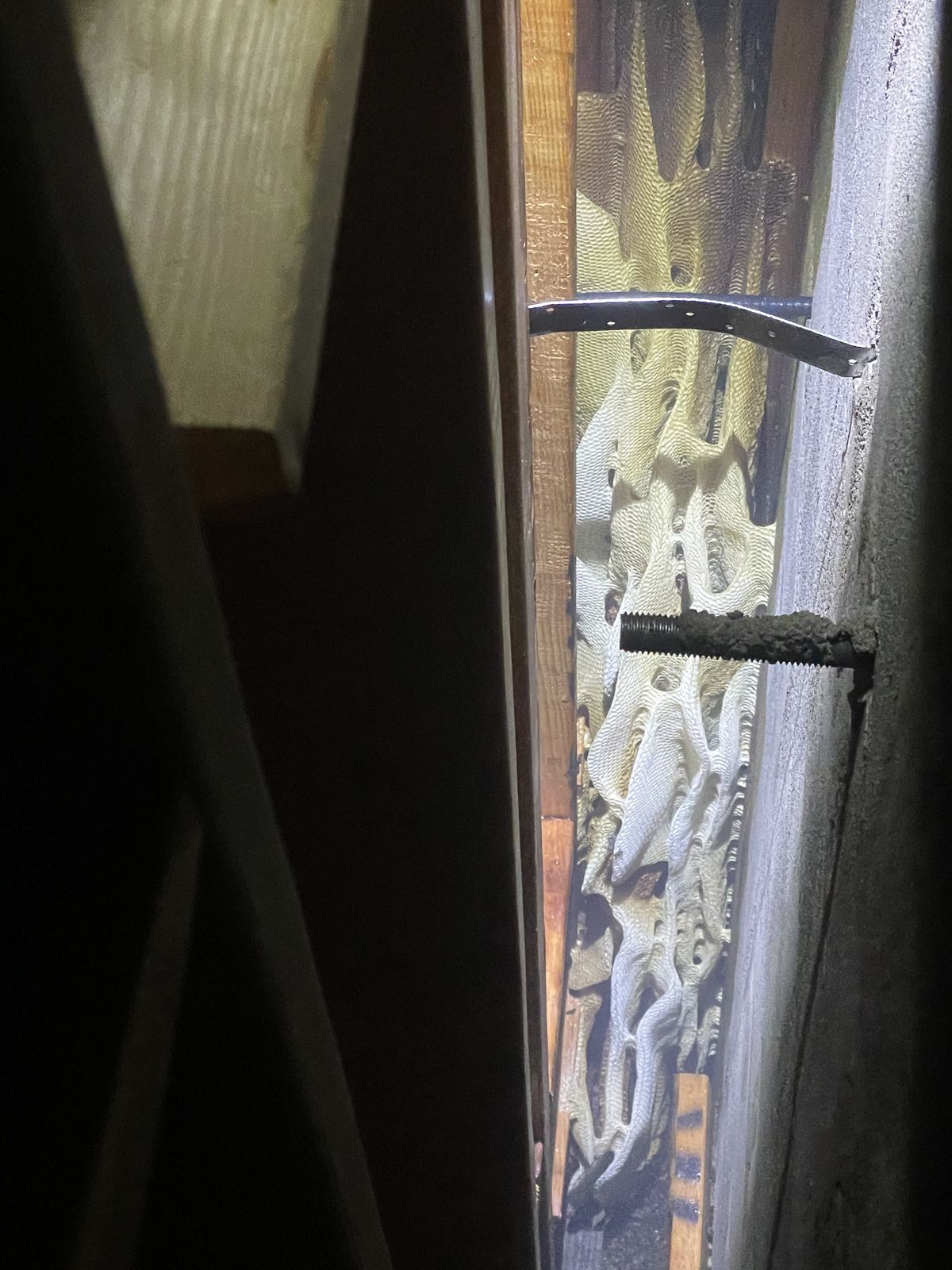
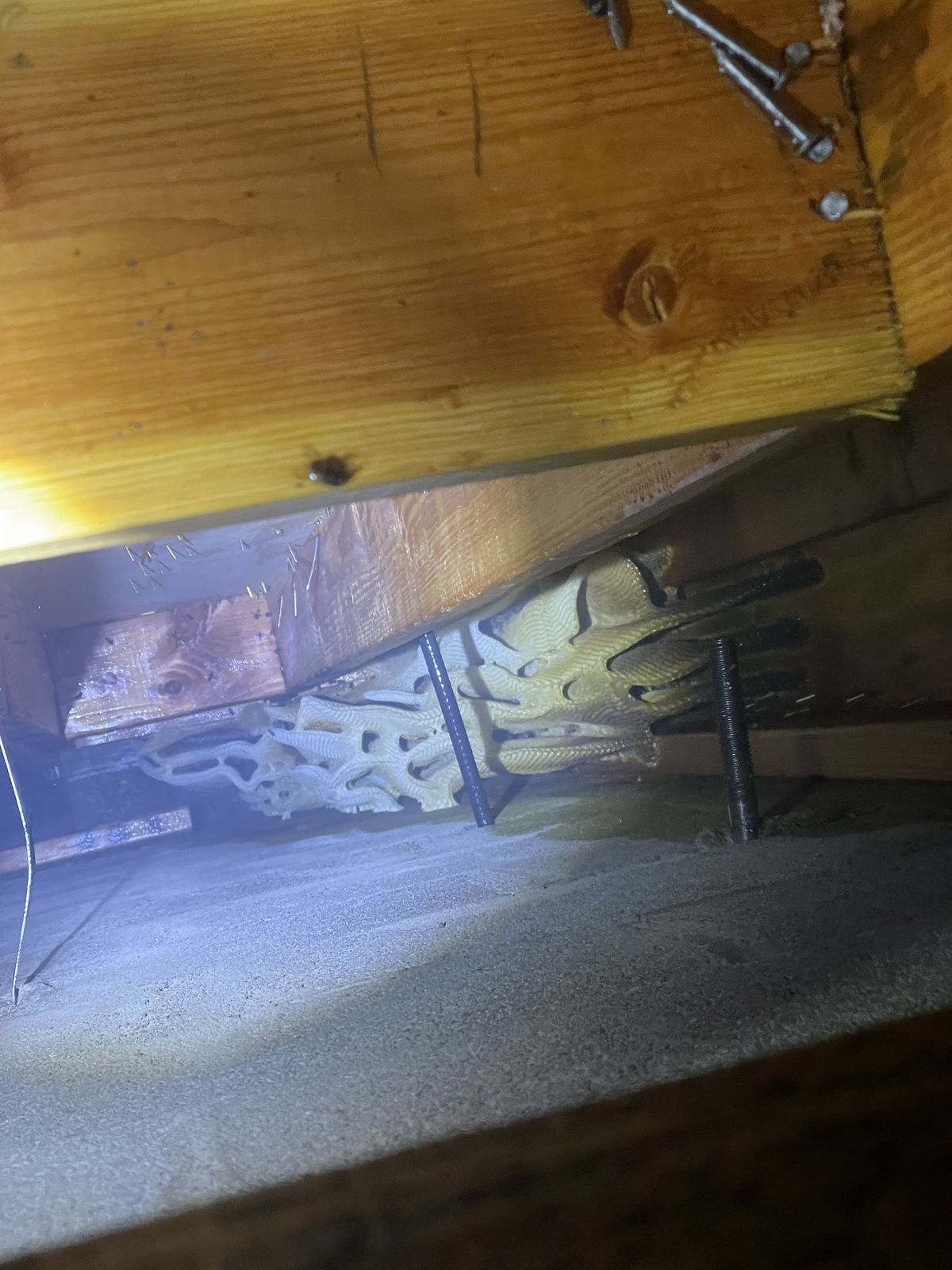
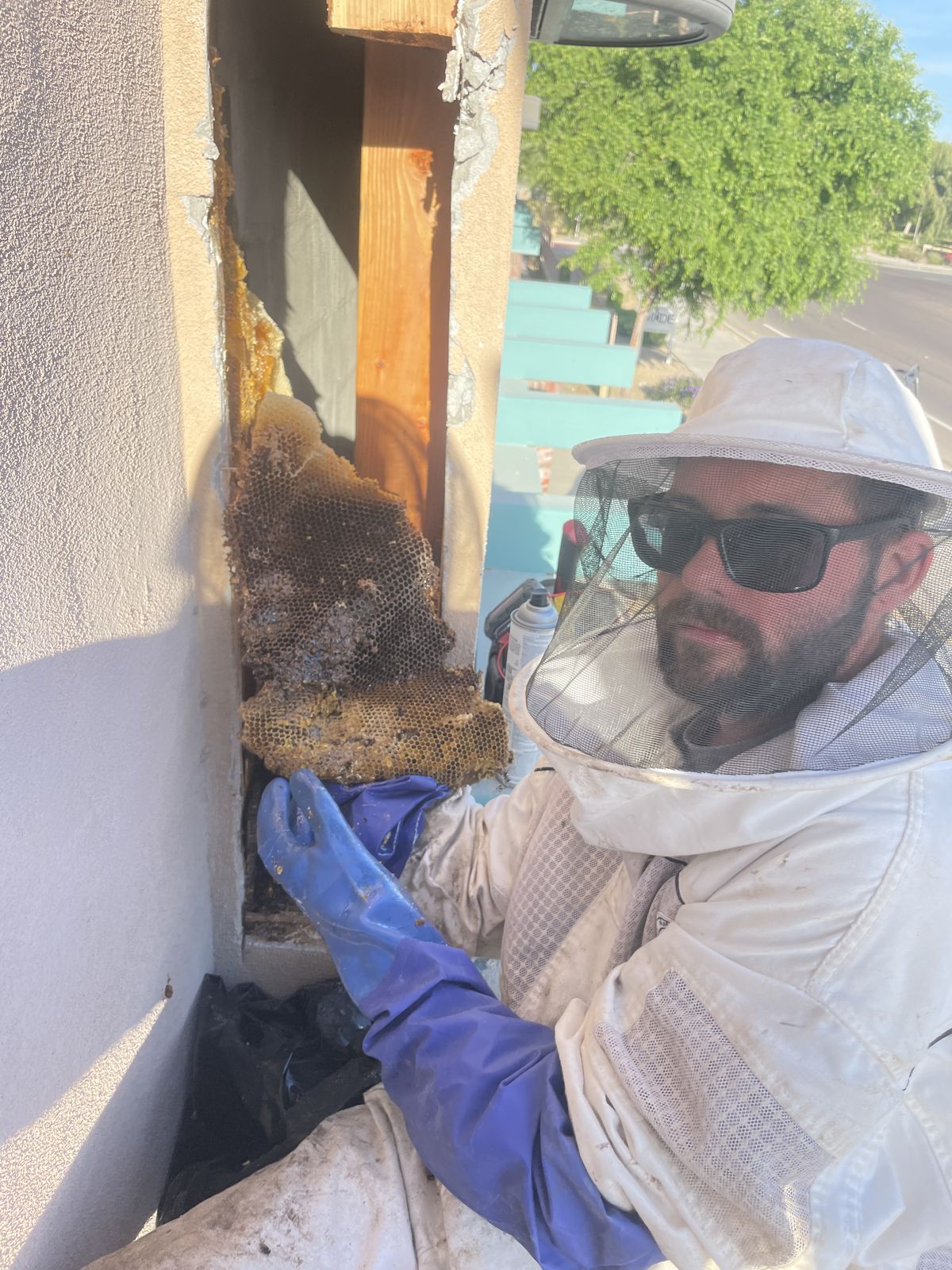
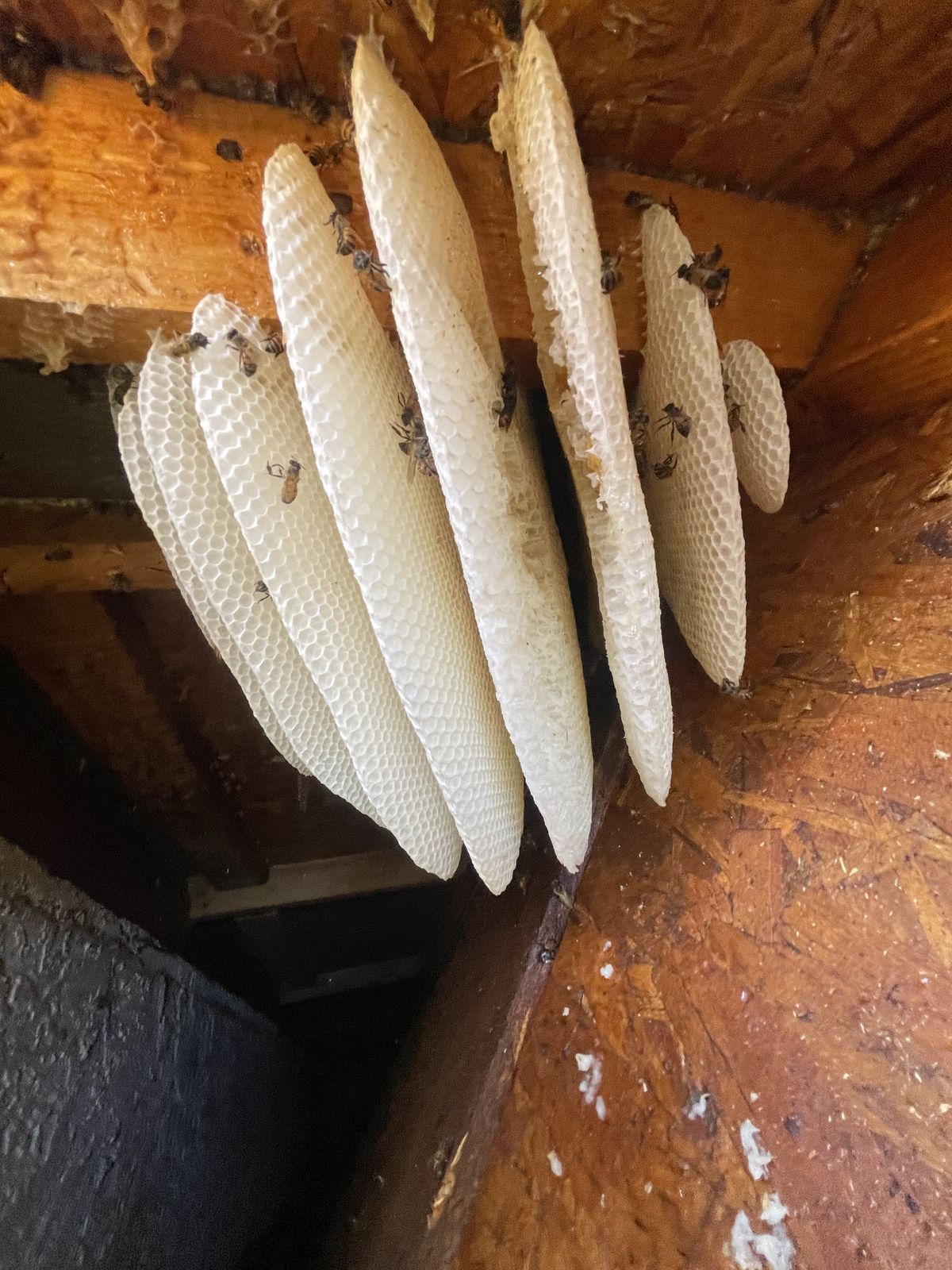
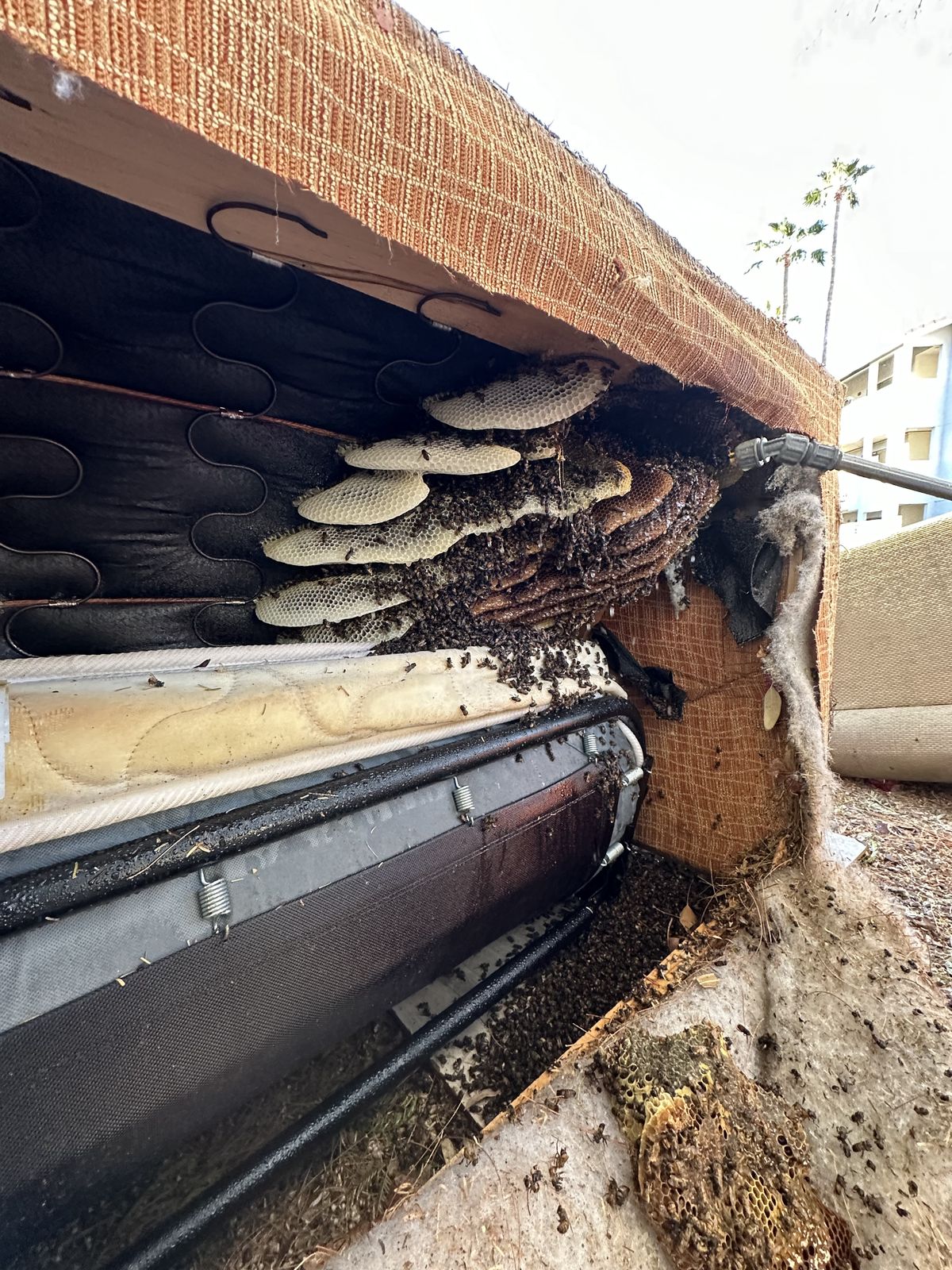
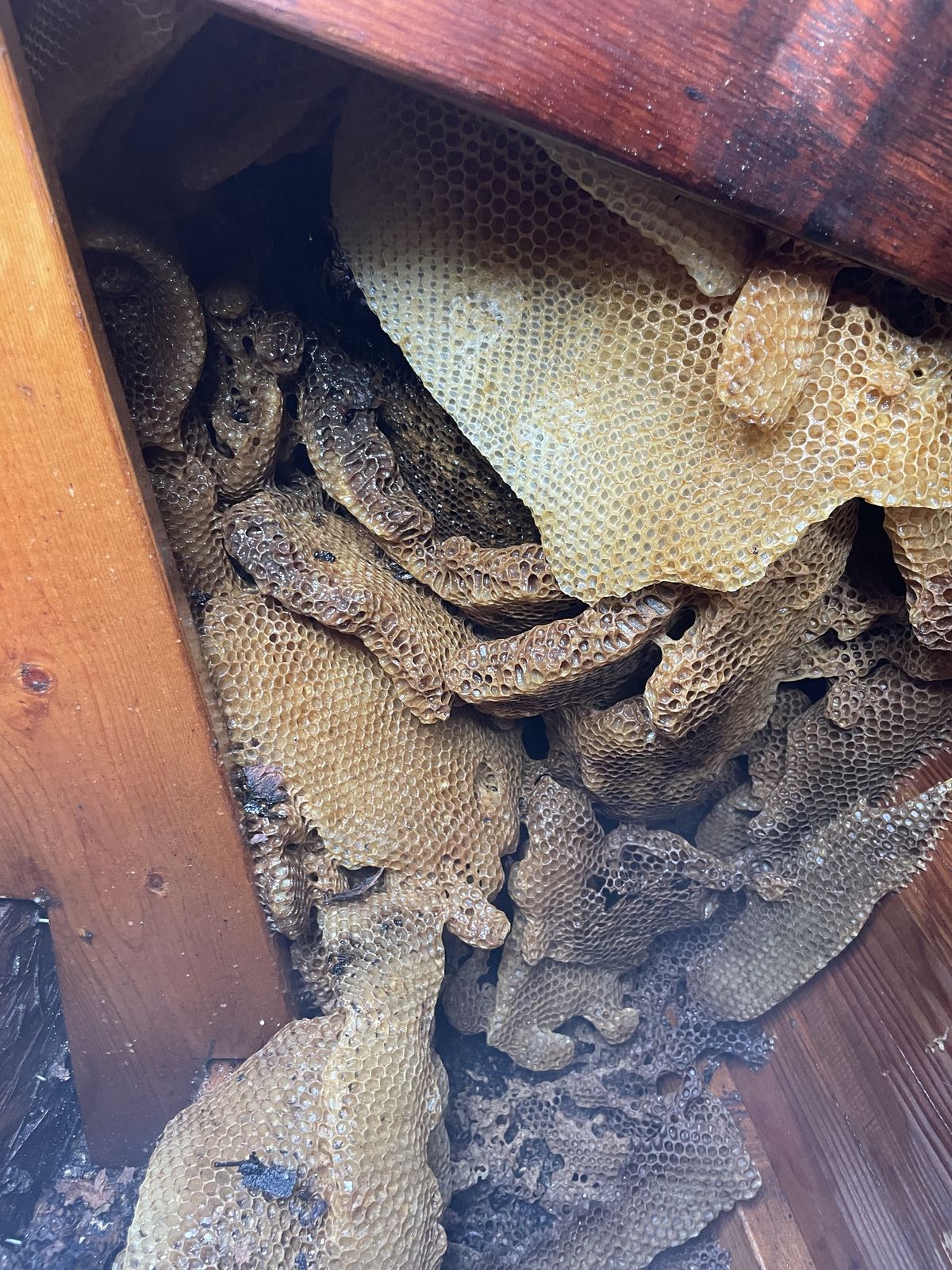
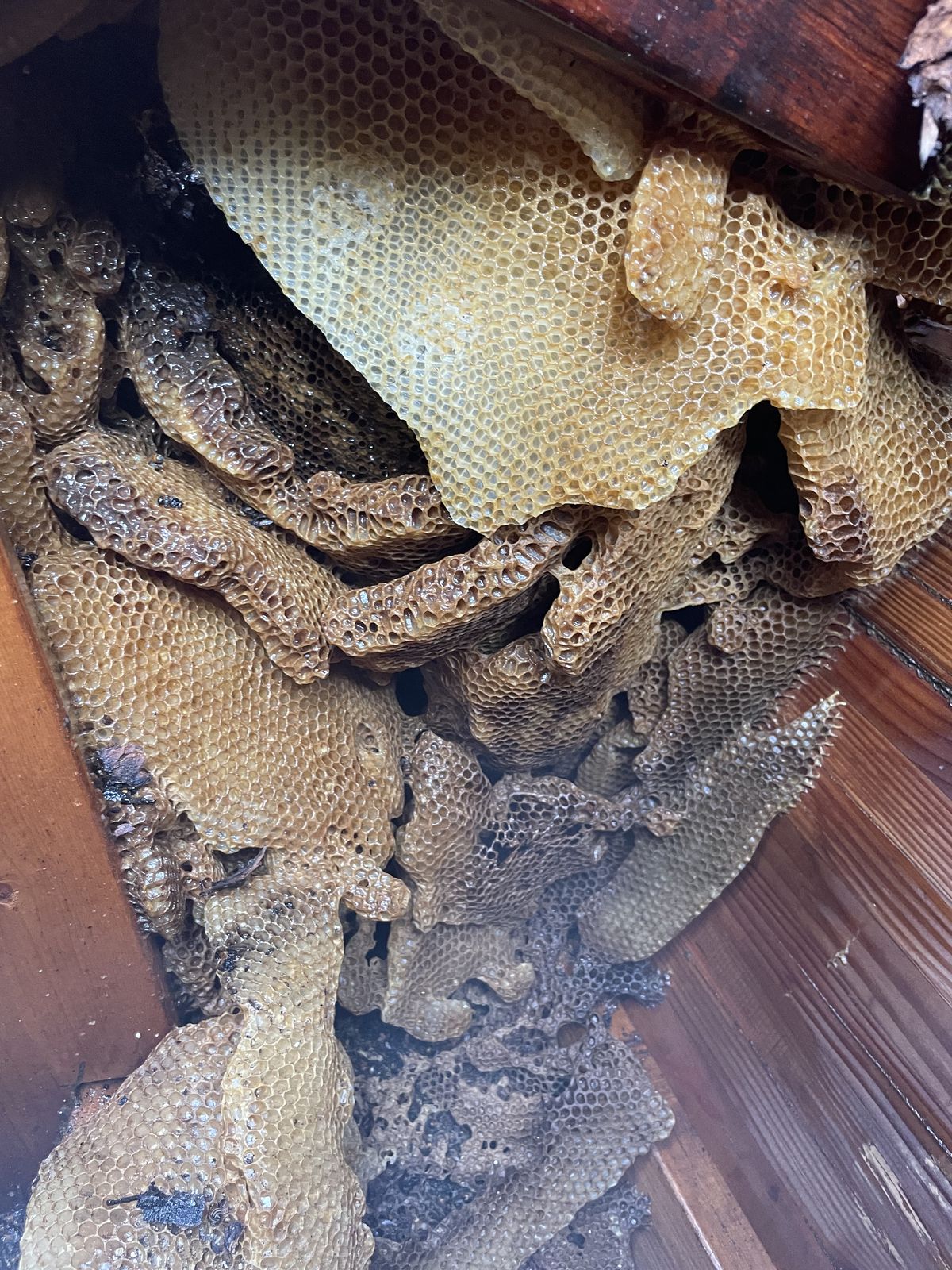
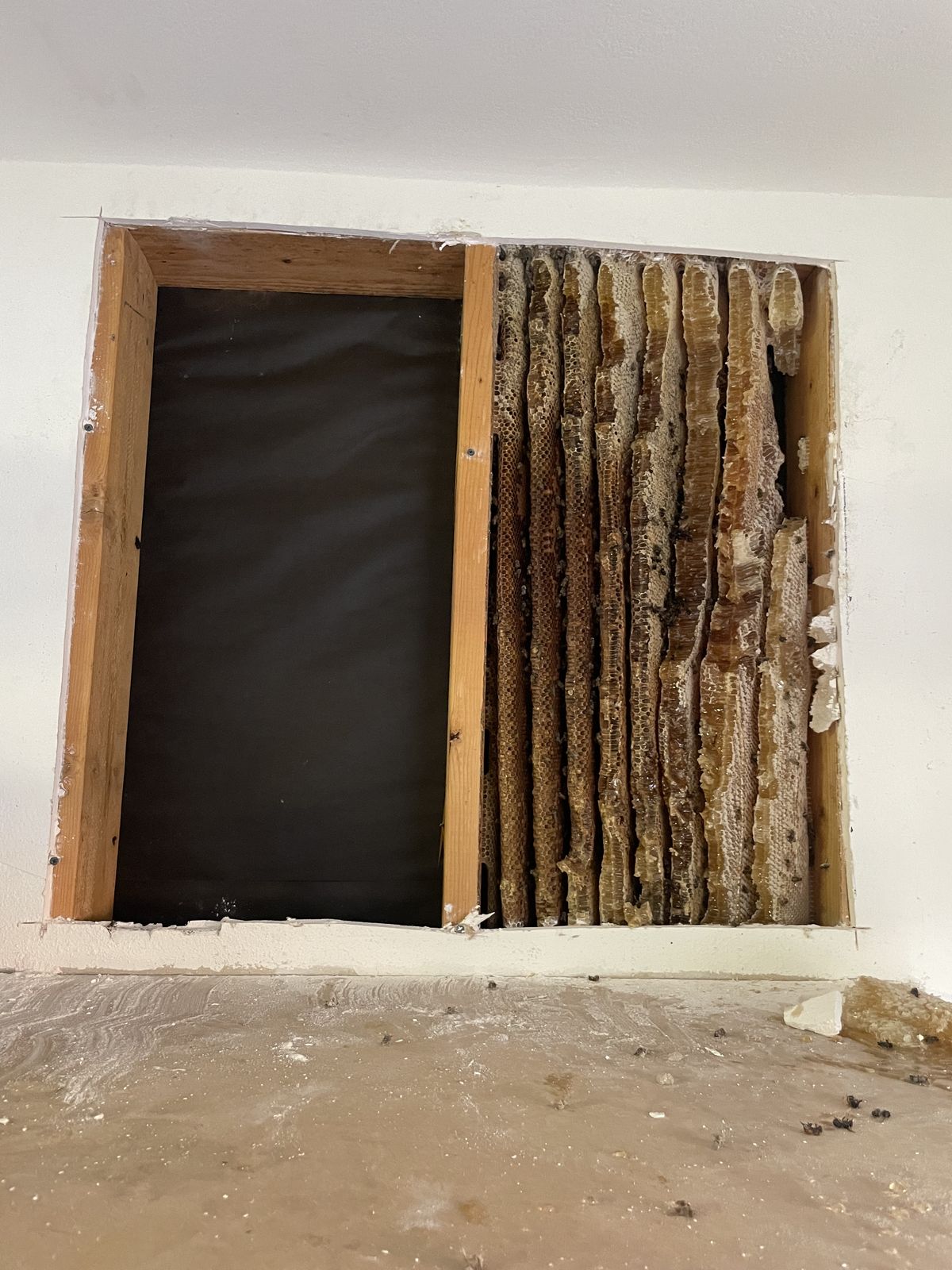
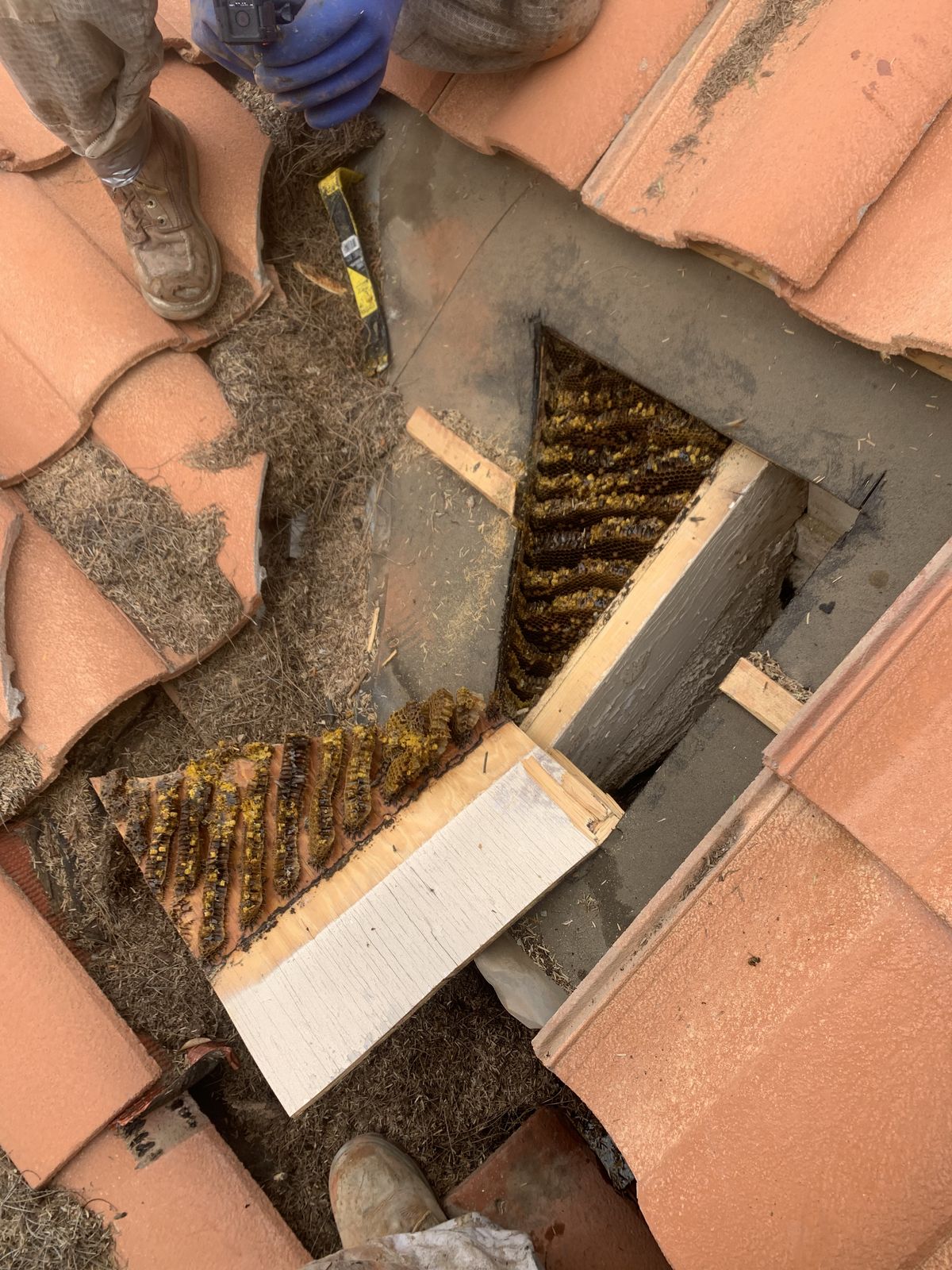
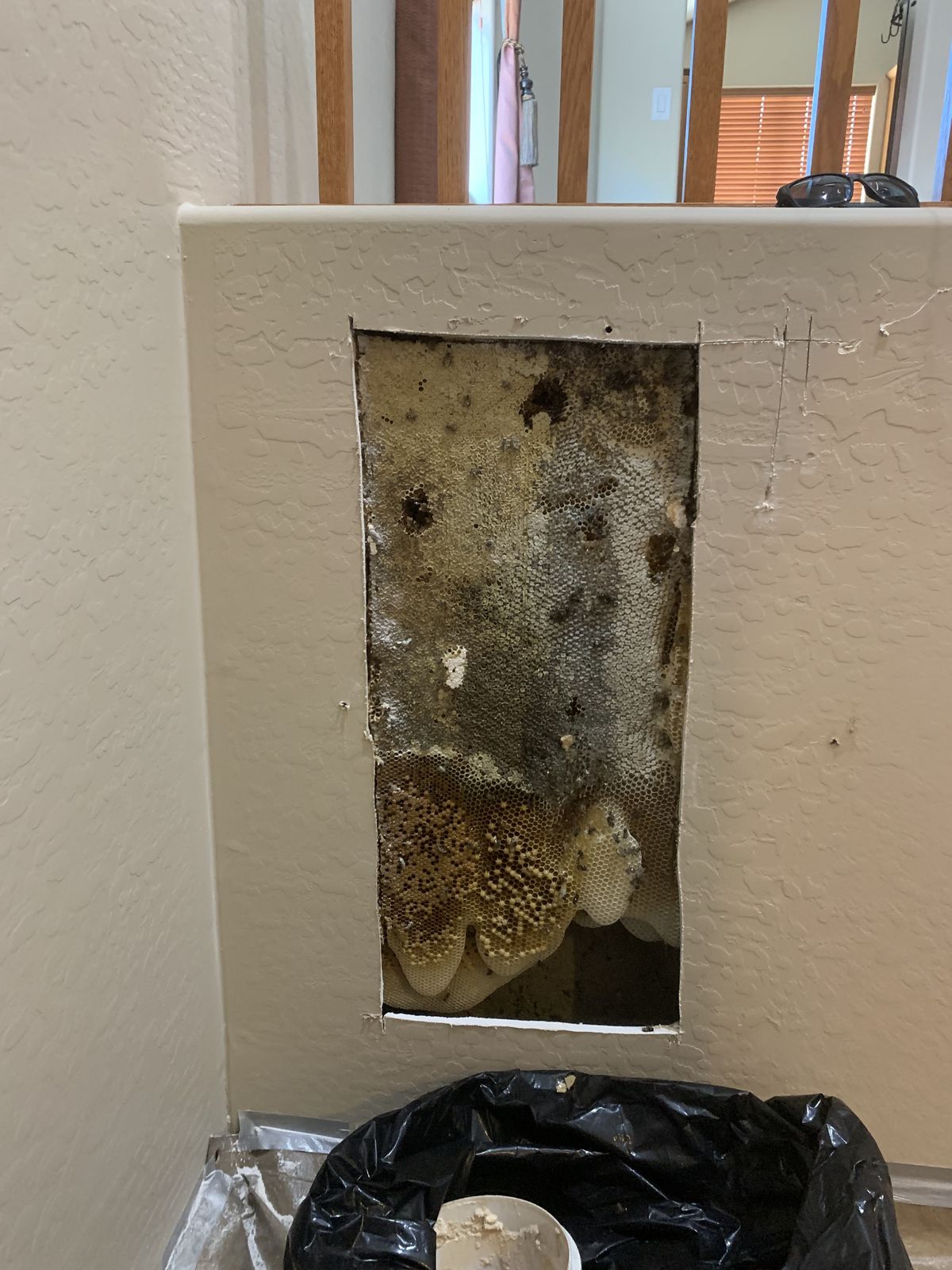
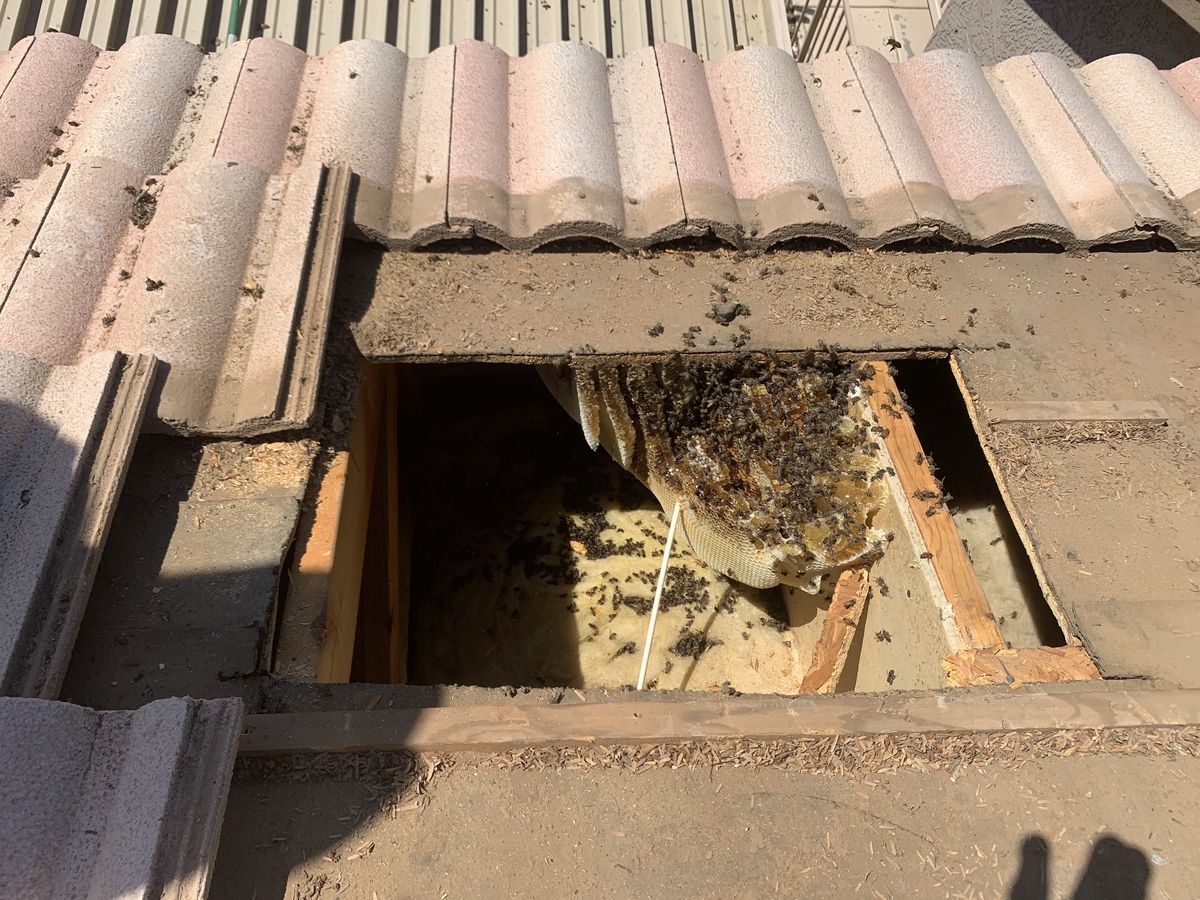
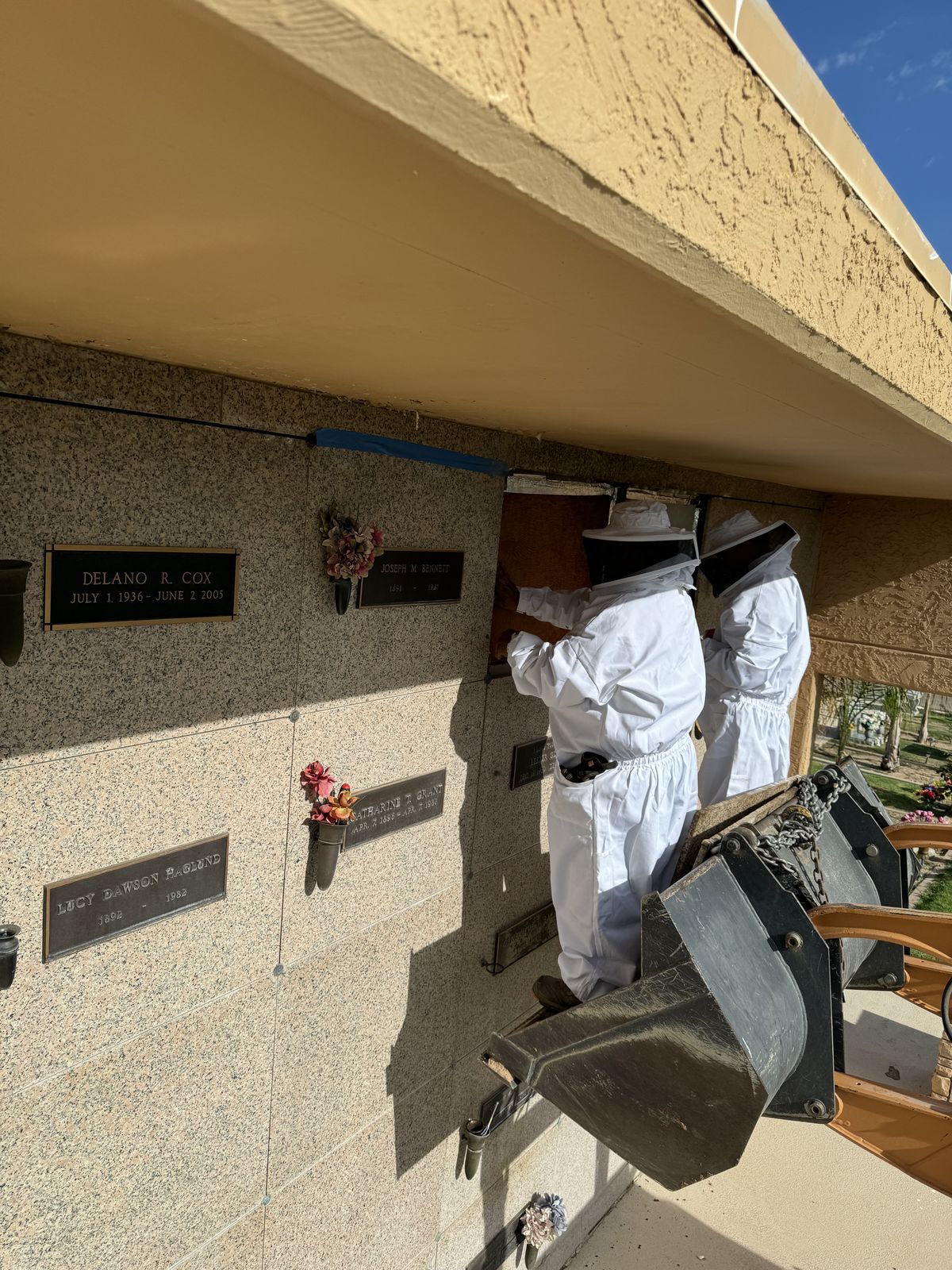
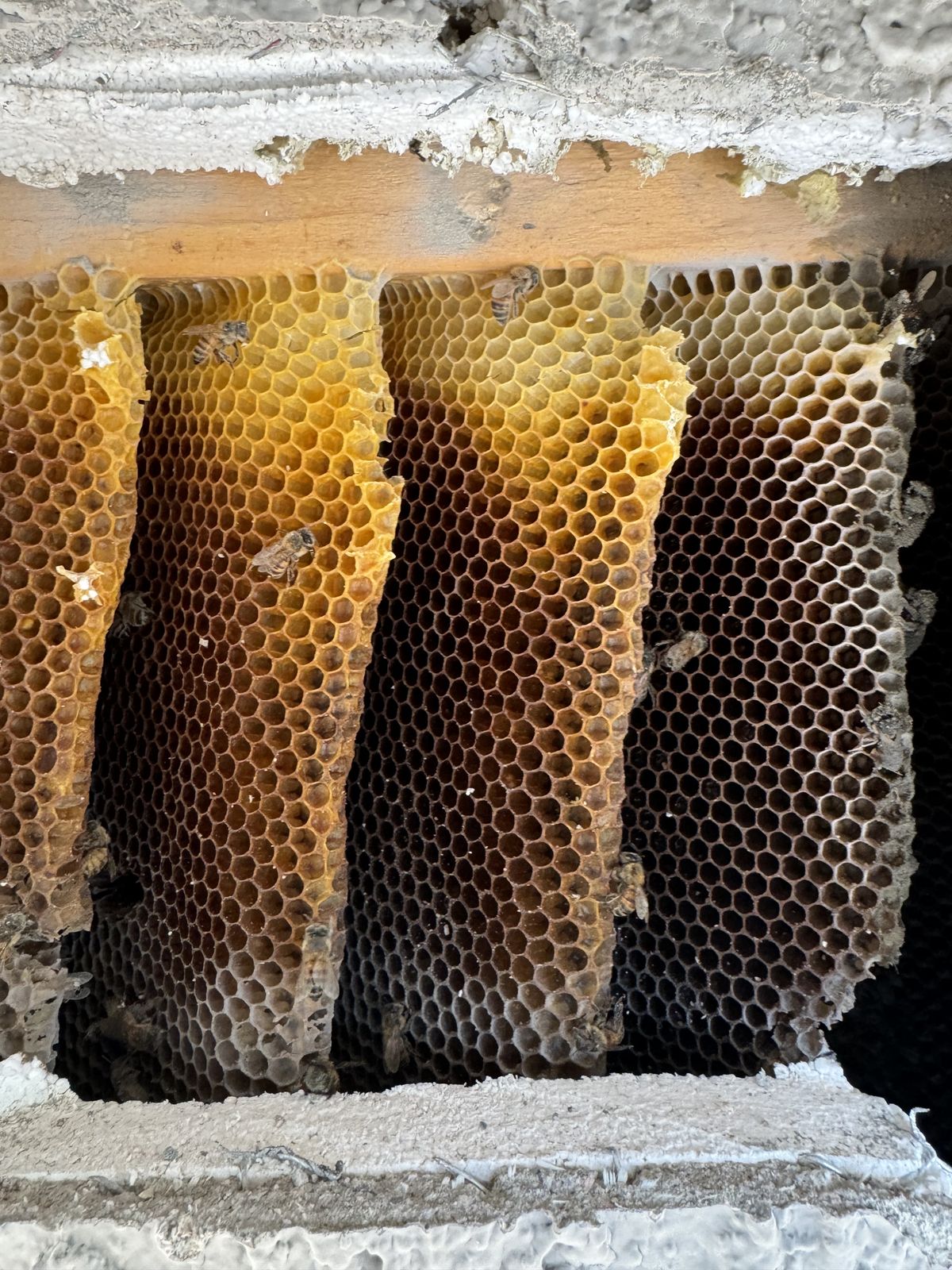
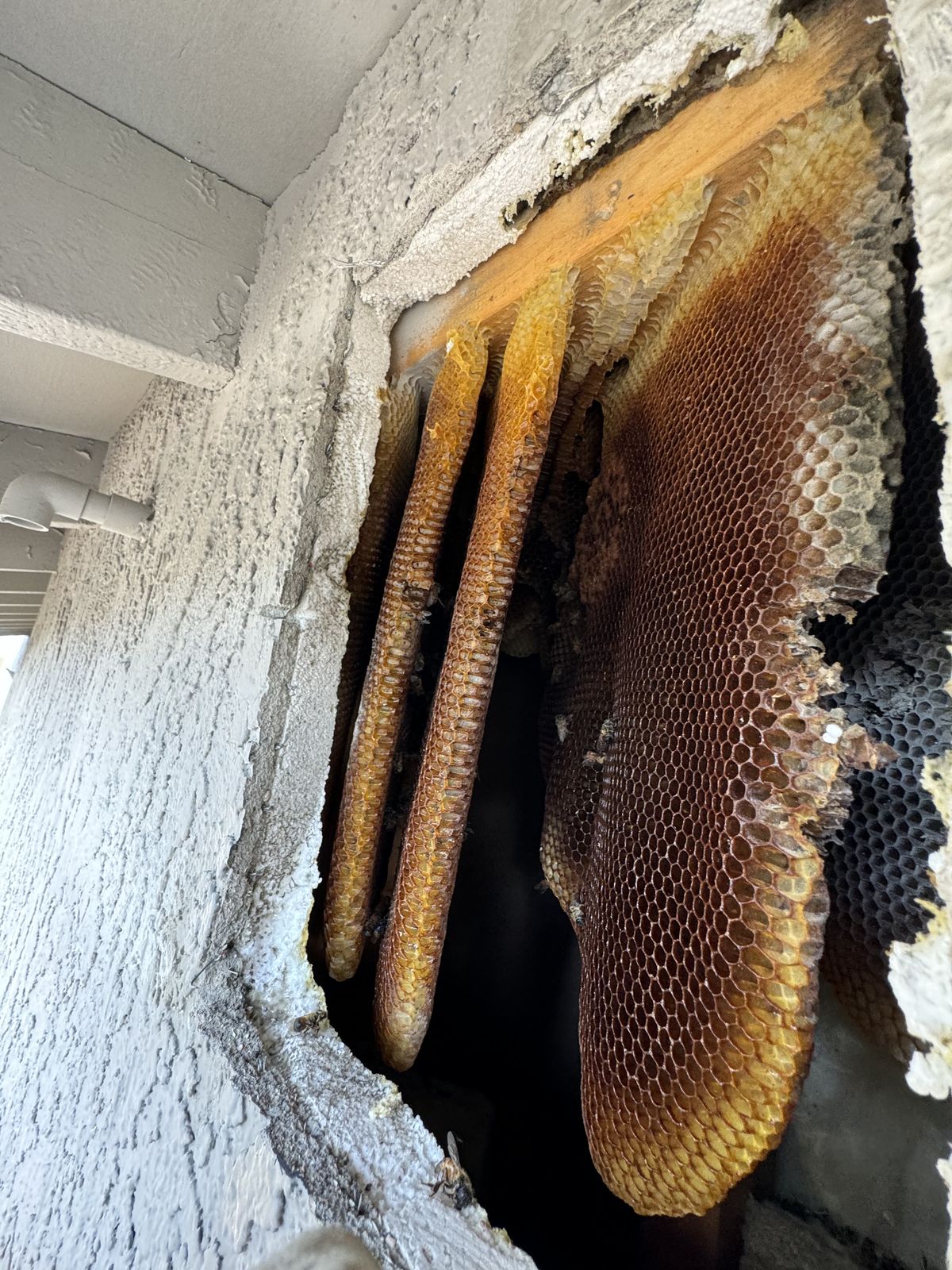
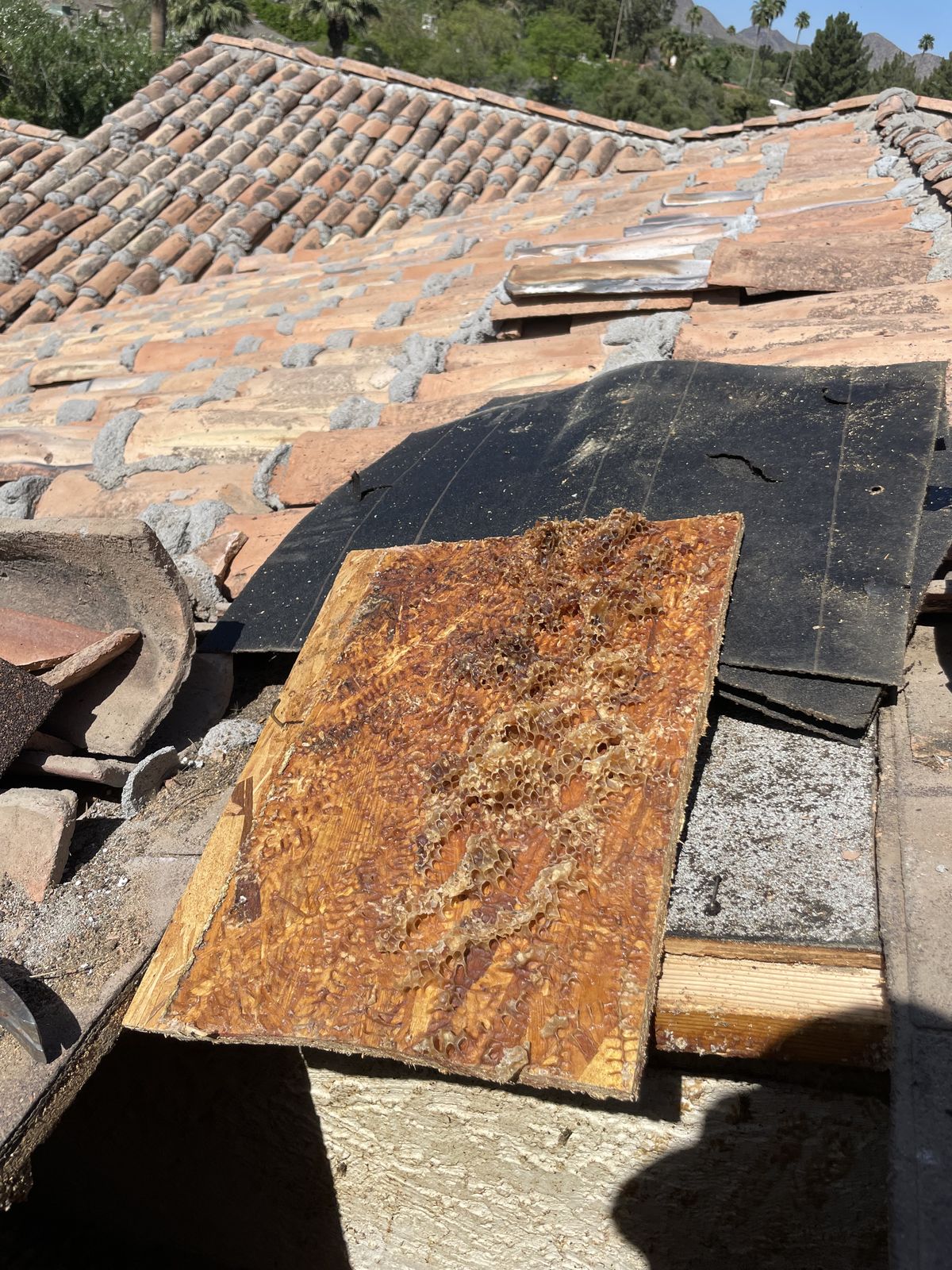
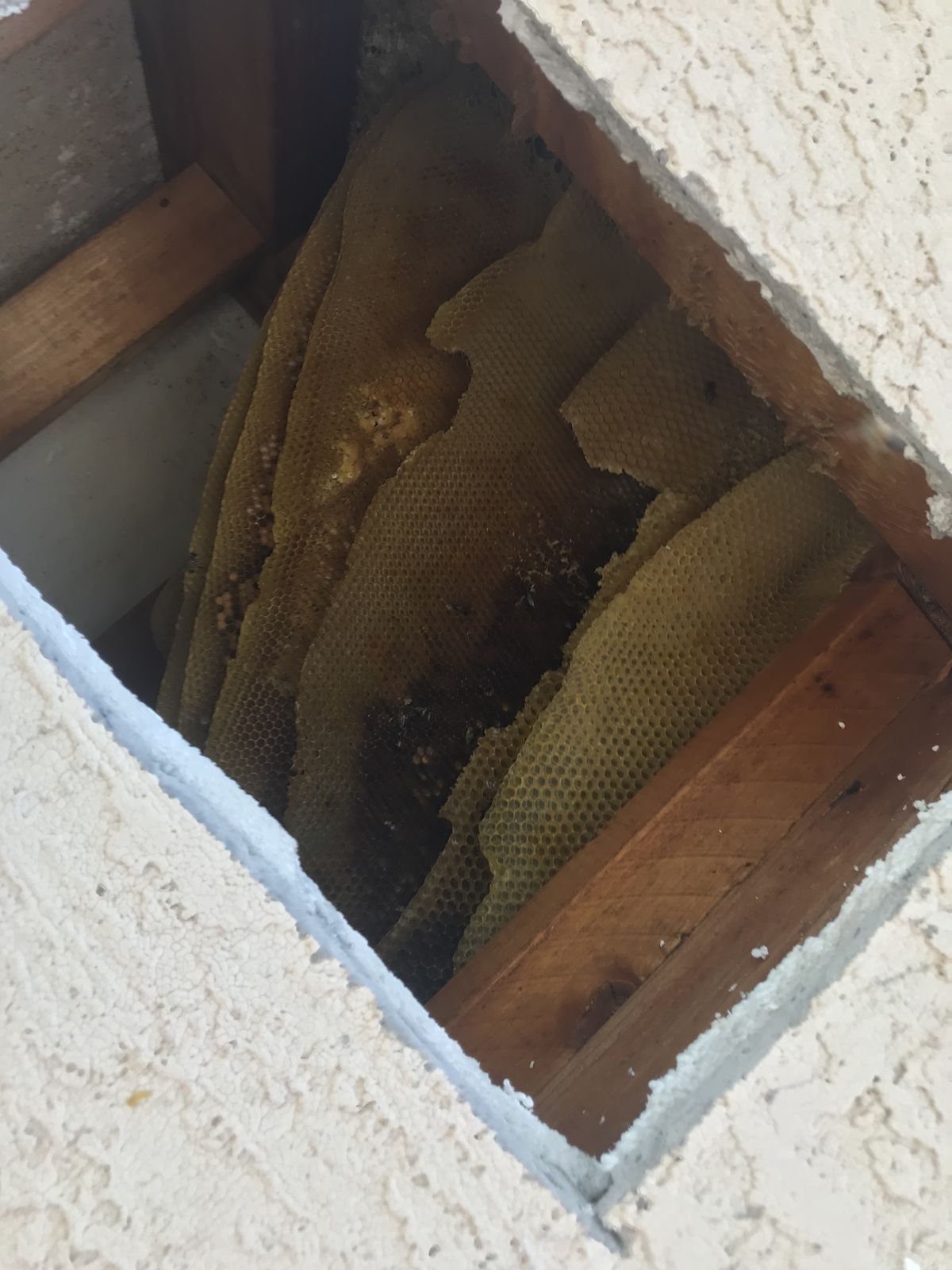
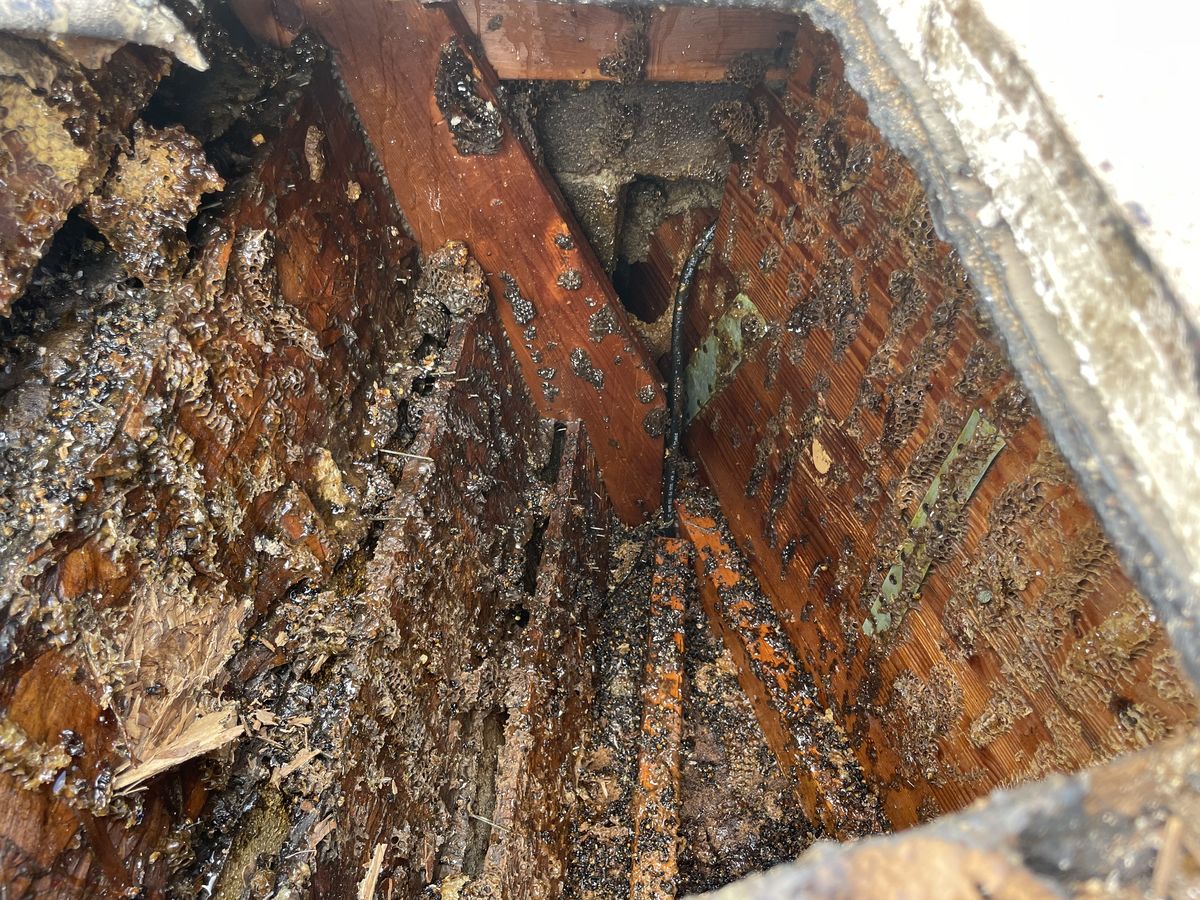
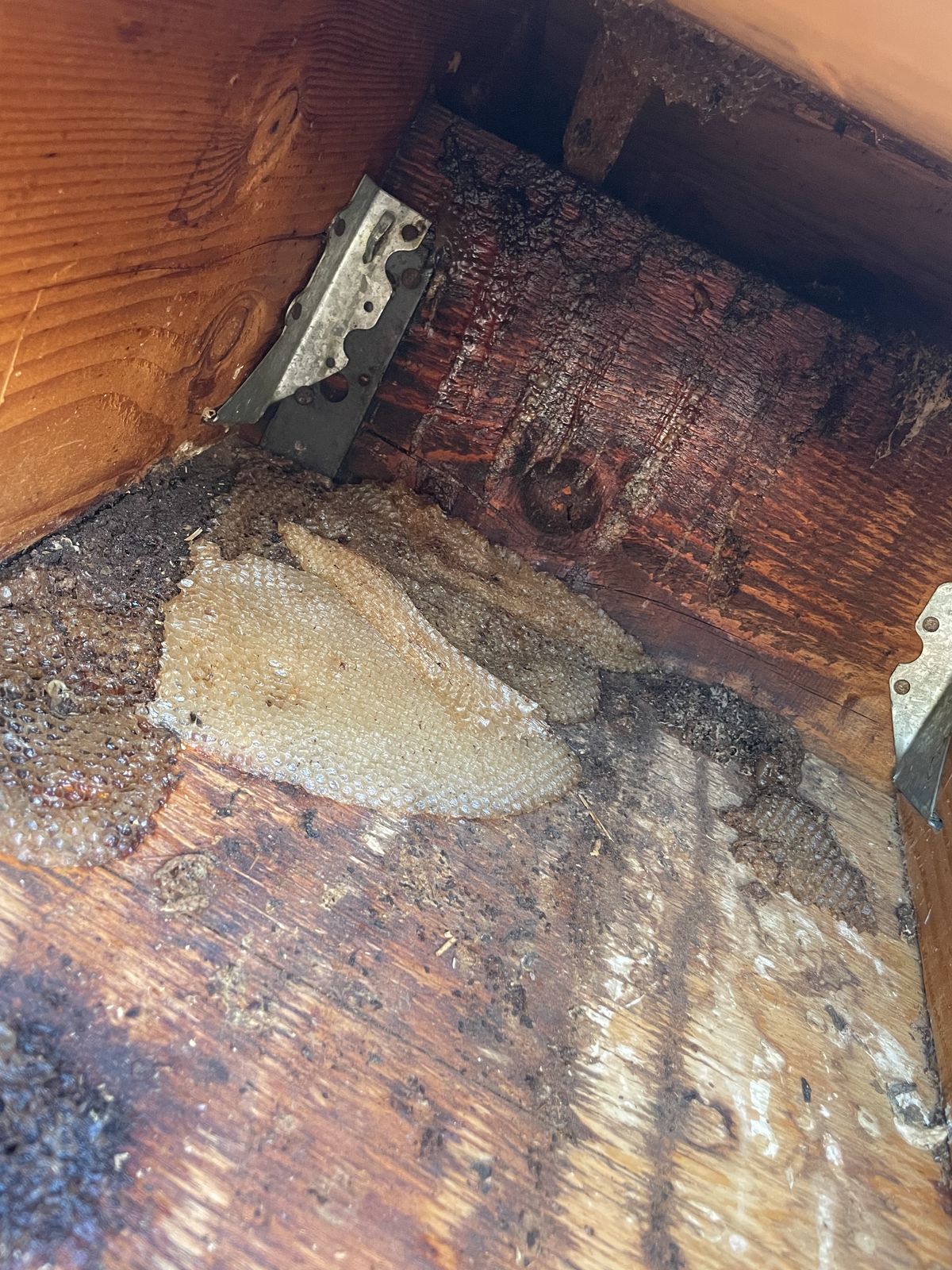
Bees that have already built comb inside a wall, ceiling, attic, or chimney. These require opening the structure to remove the comb and honey.
Africanized Bees
Aggressive hybrid bees common in Arizona. They defend a larger radius around their hive and react to vibrations and noise. These require professional treatment.
Wasps and Yellow Jackets
Paper wasps, yellow jackets, and hornets build nests under eaves, in ground burrows, and inside wall voids. They are aggressive and can sting repeatedly.
Our Removal Process
A methodical approach that solves the problem completely.
Every step matters. Skip the comb removal and a new swarm moves in. Skip the sealing and another colony finds the same gap. We do the full job.
Inspect and Identify
We locate the colony or nest, identify whether you are dealing with honeybees, Africanized bees, wasps, yellow jackets, or hornets, and assess the severity of the situation.
Assess Access
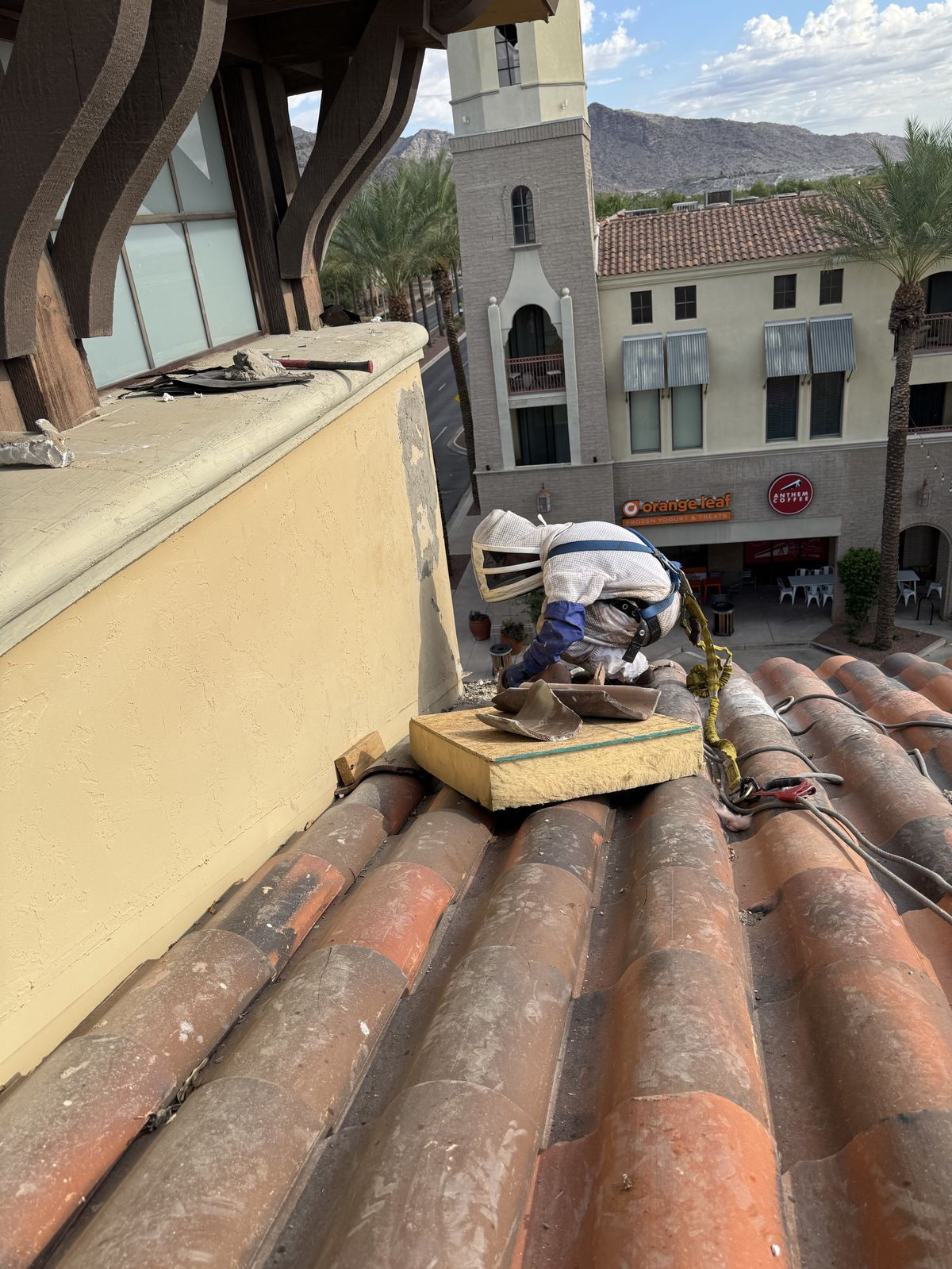
If the bees are inside a wall, ceiling, or attic, we figure out how to reach them with the least disruption to your home. We explain what needs to open and why.
Remove or Treat
Live removal is performed when conditions are safe and the bees are accessible. For aggressive colonies or wasps, we use targeted treatment to eliminate the threat quickly.
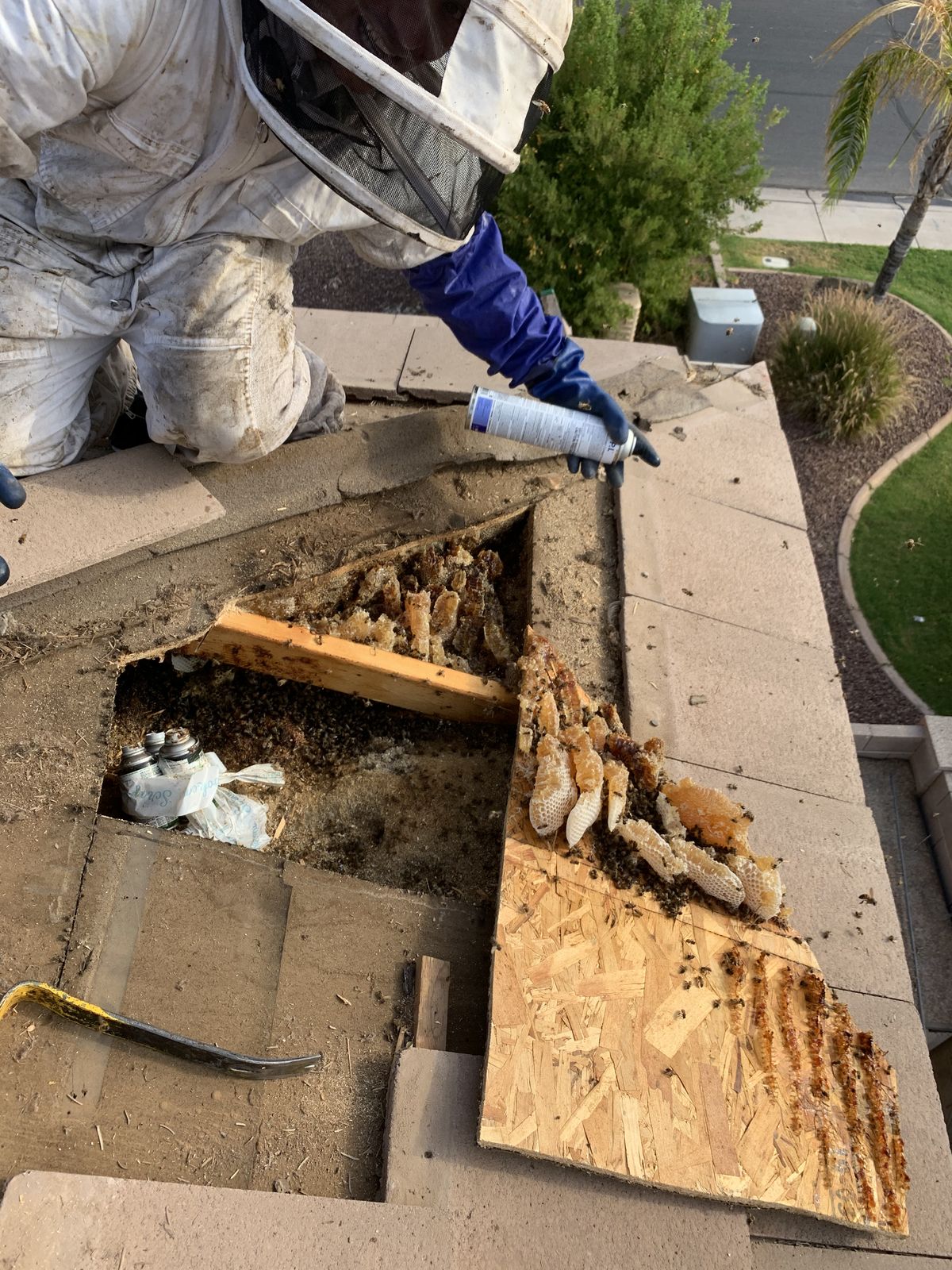
Comb and Hive Removal
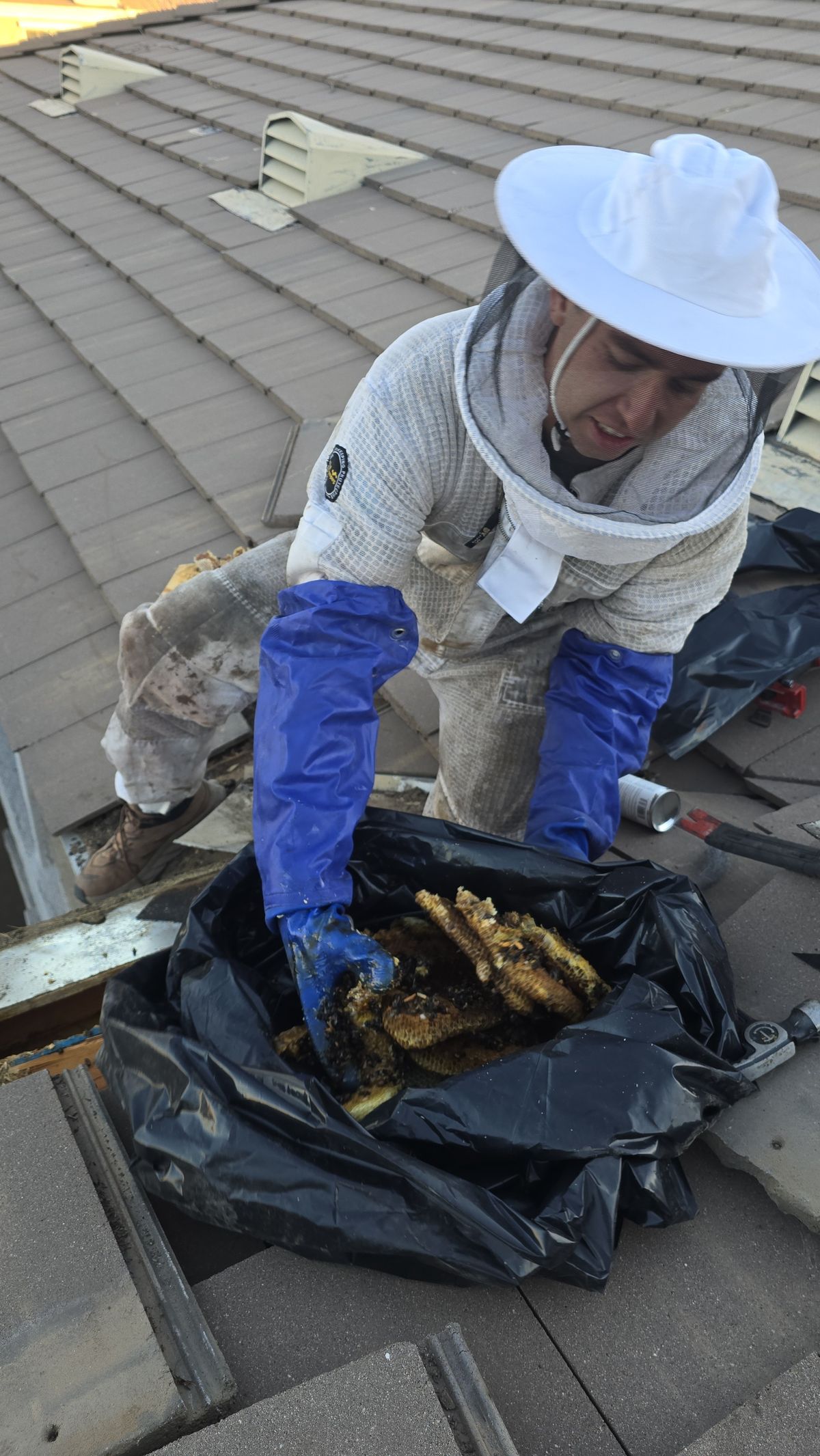
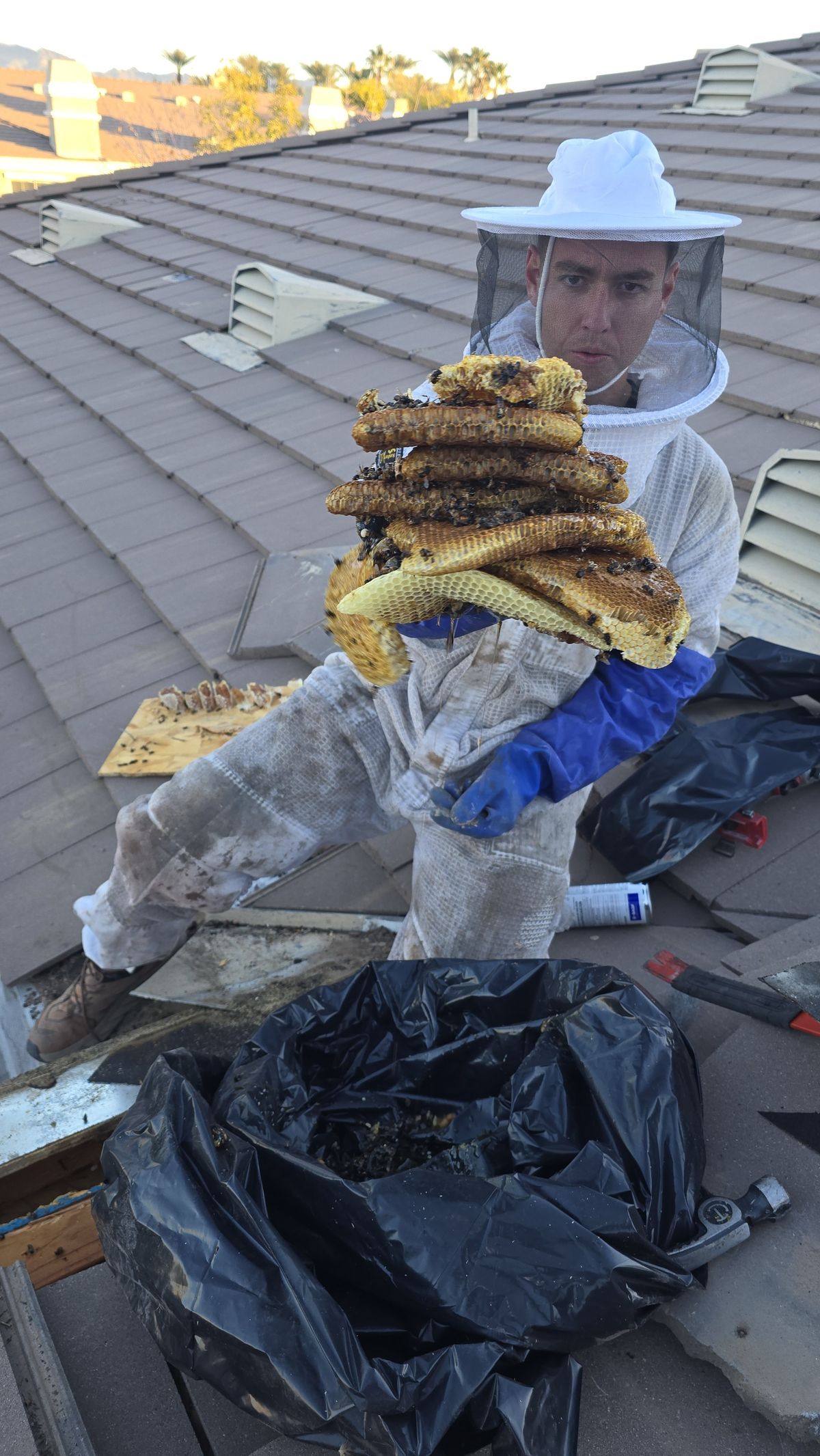
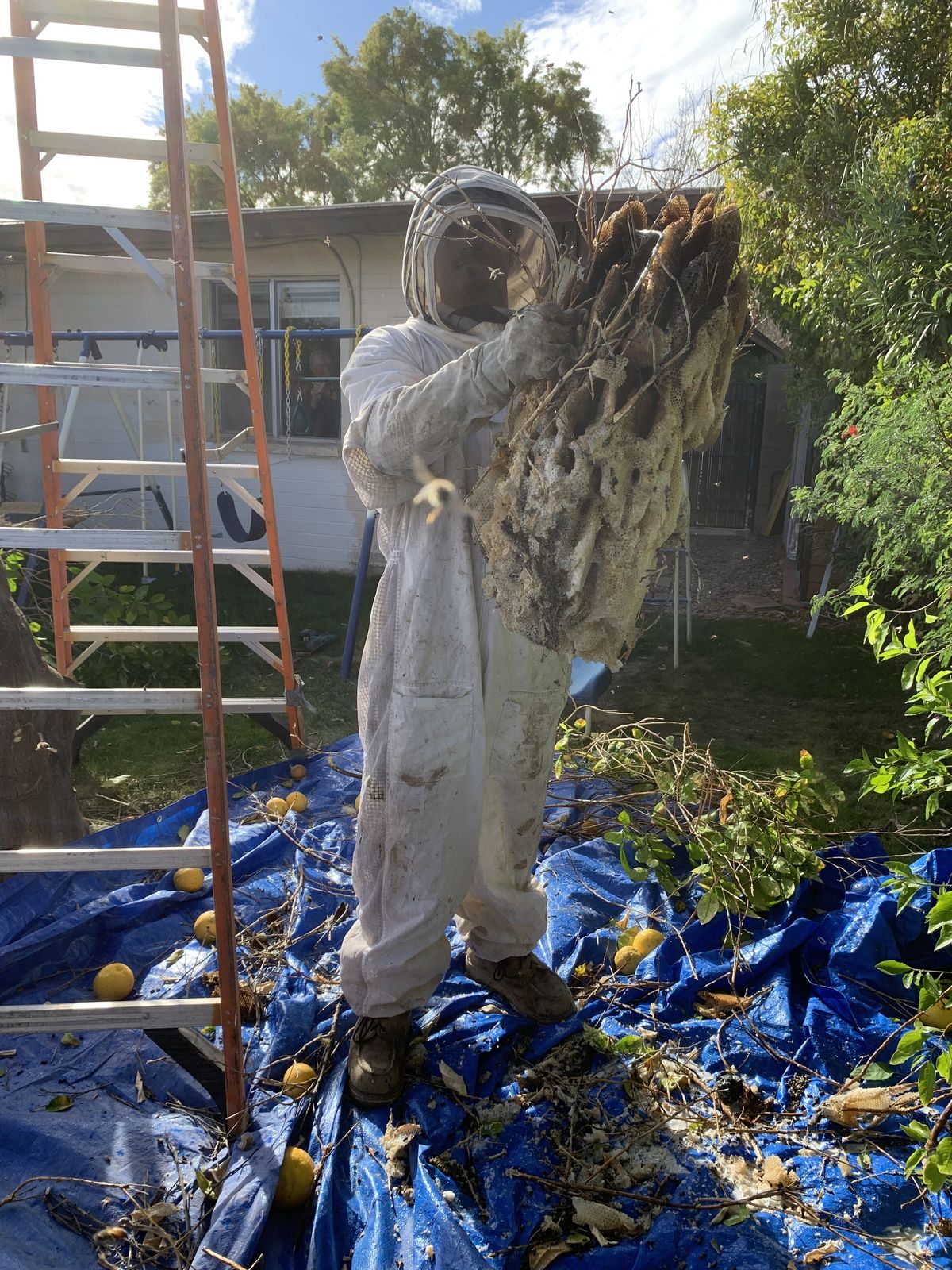
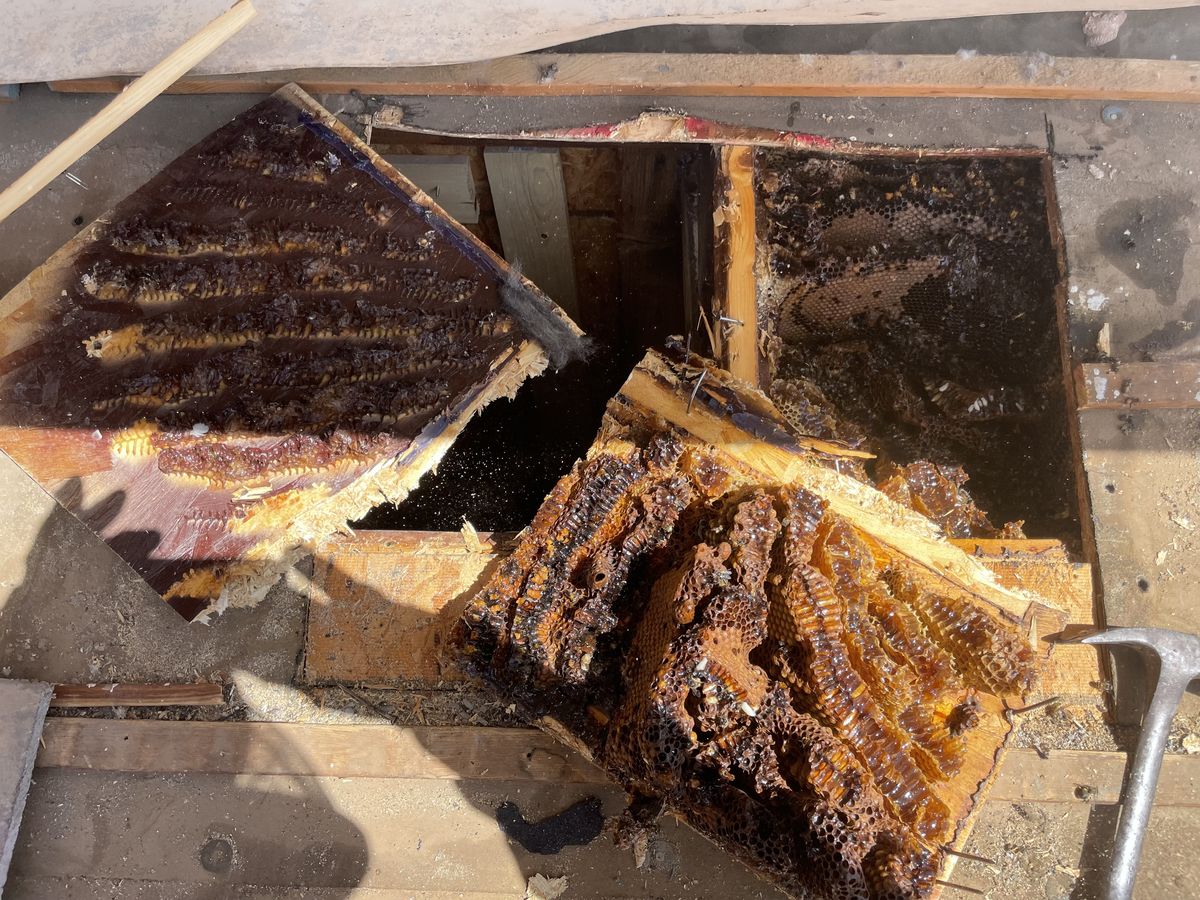
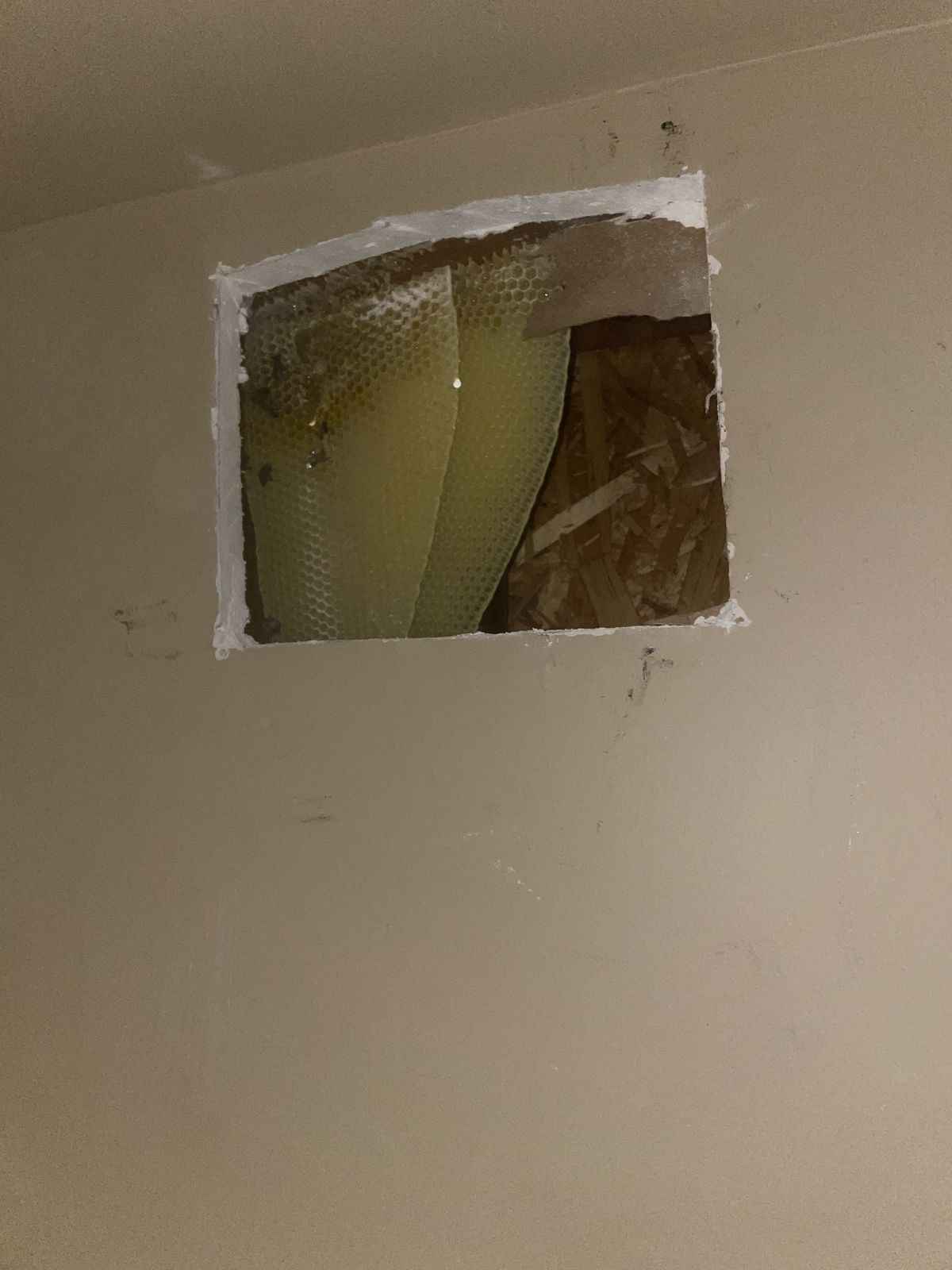
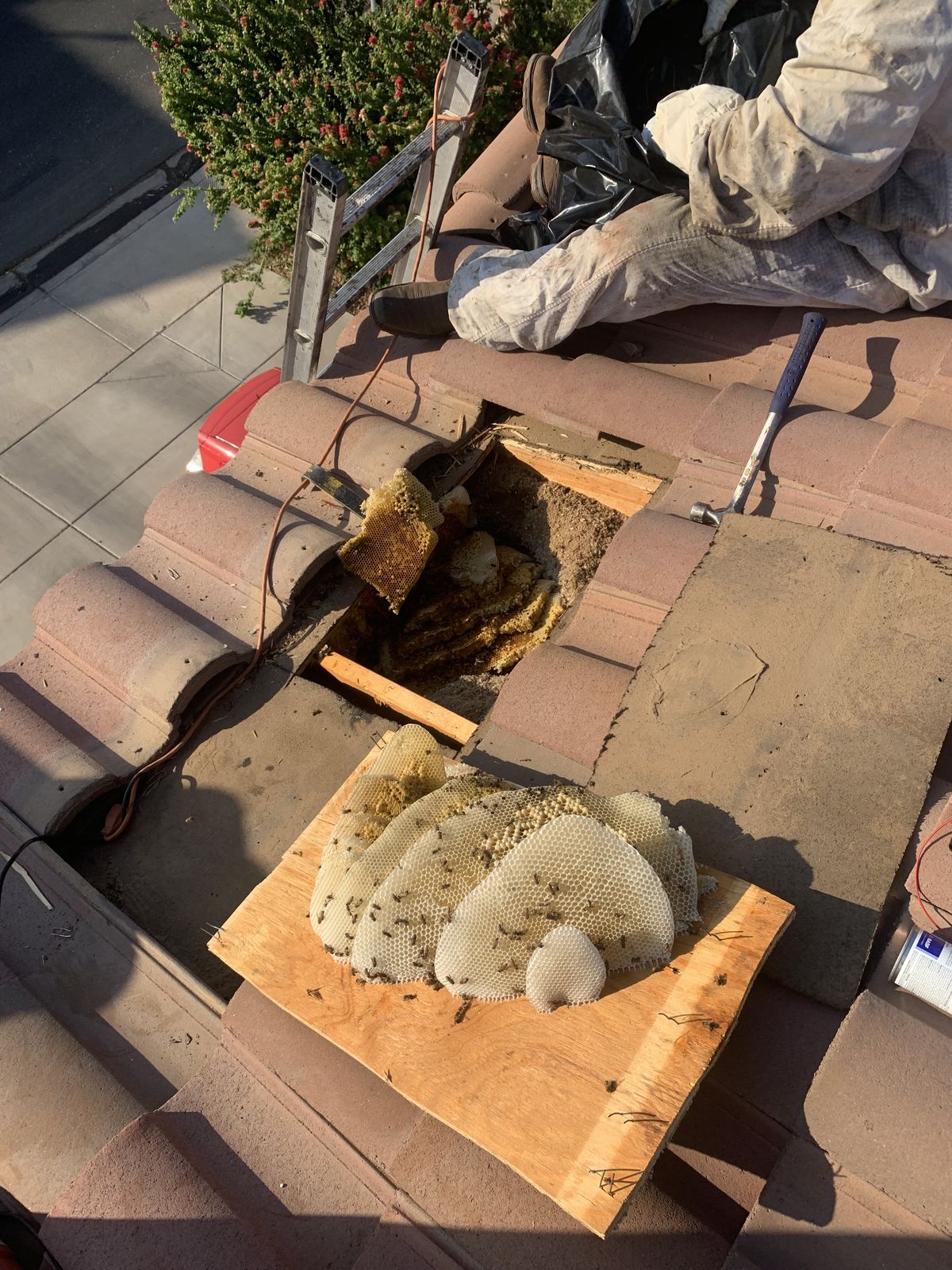
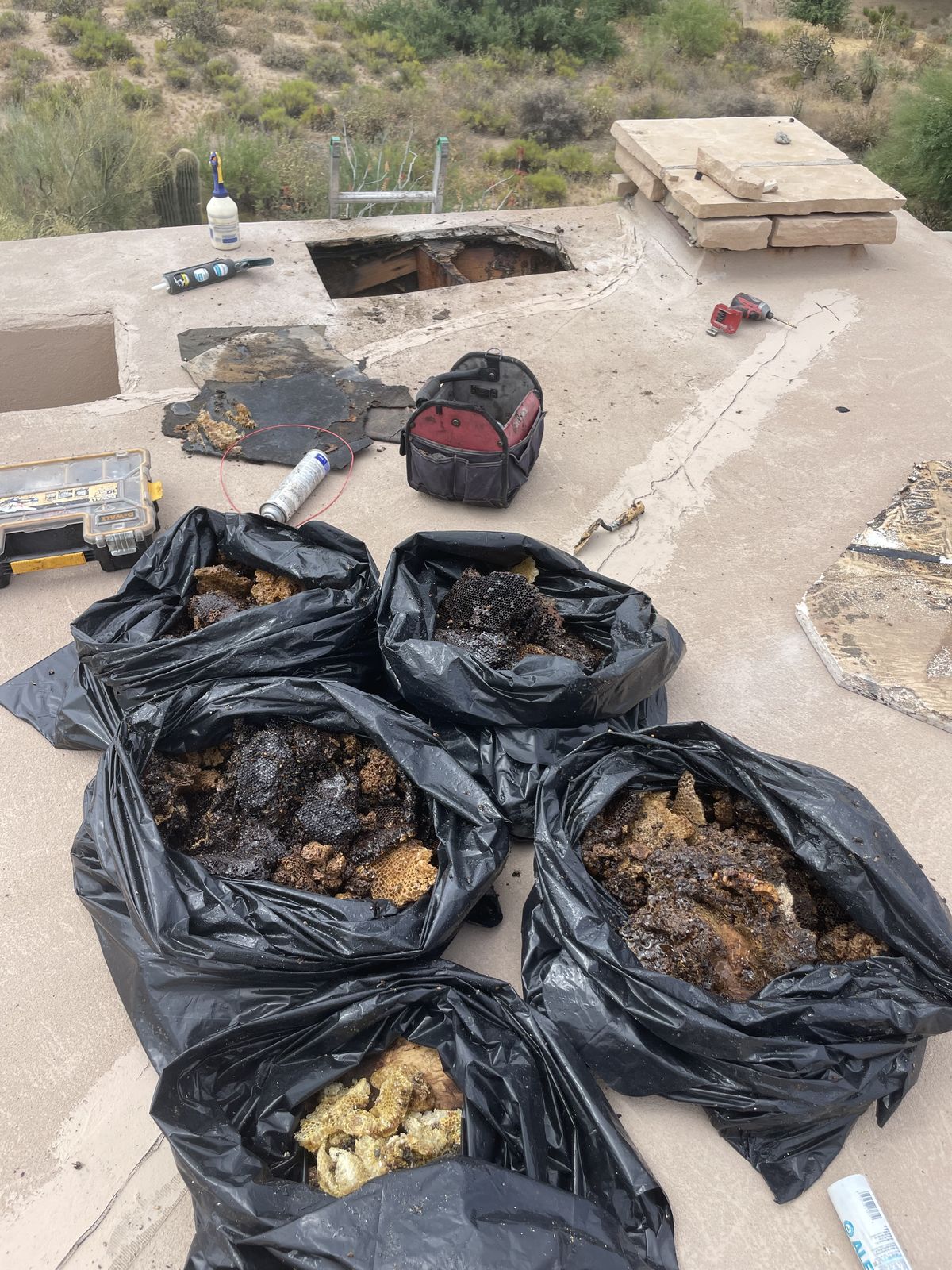
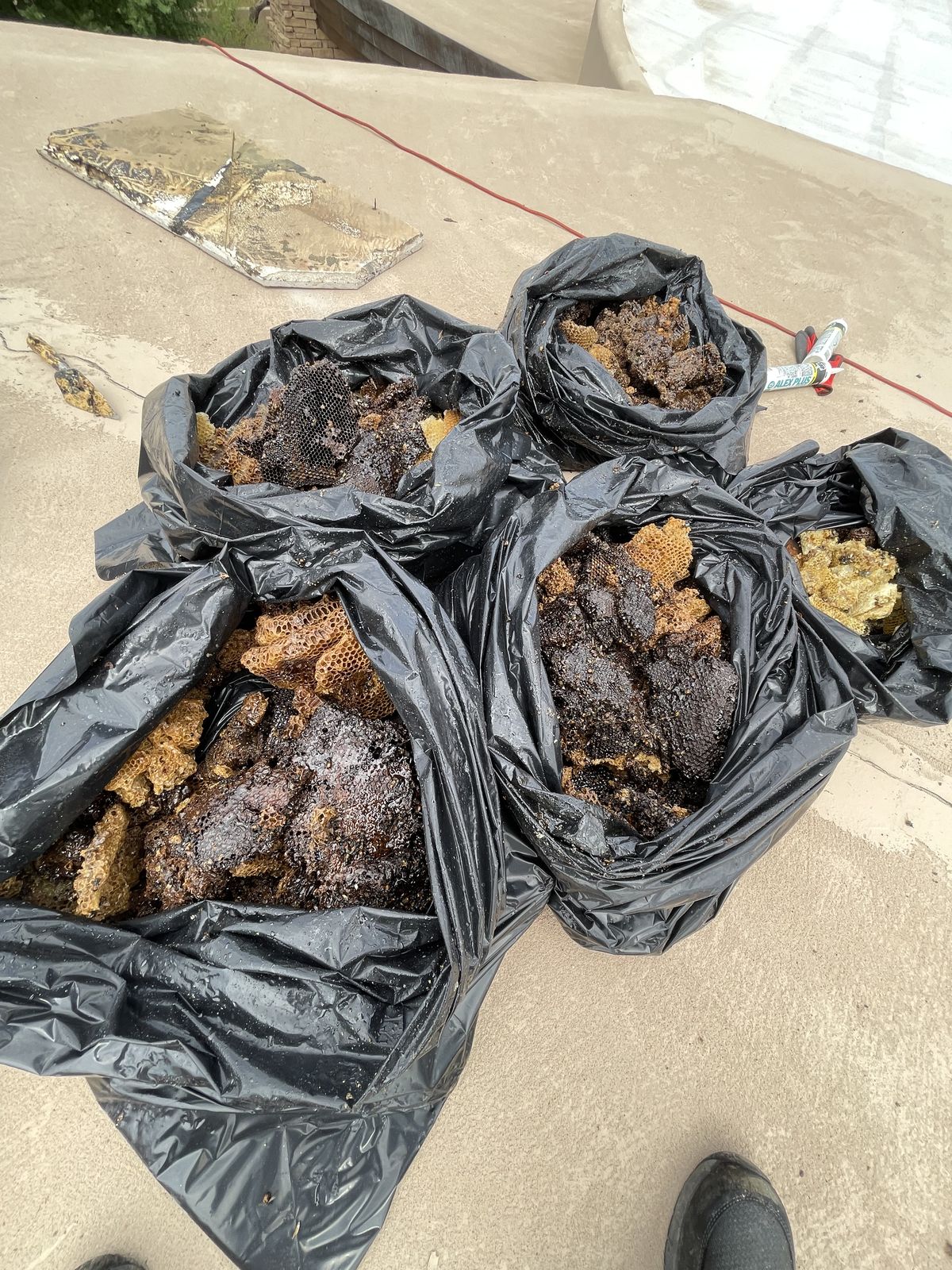
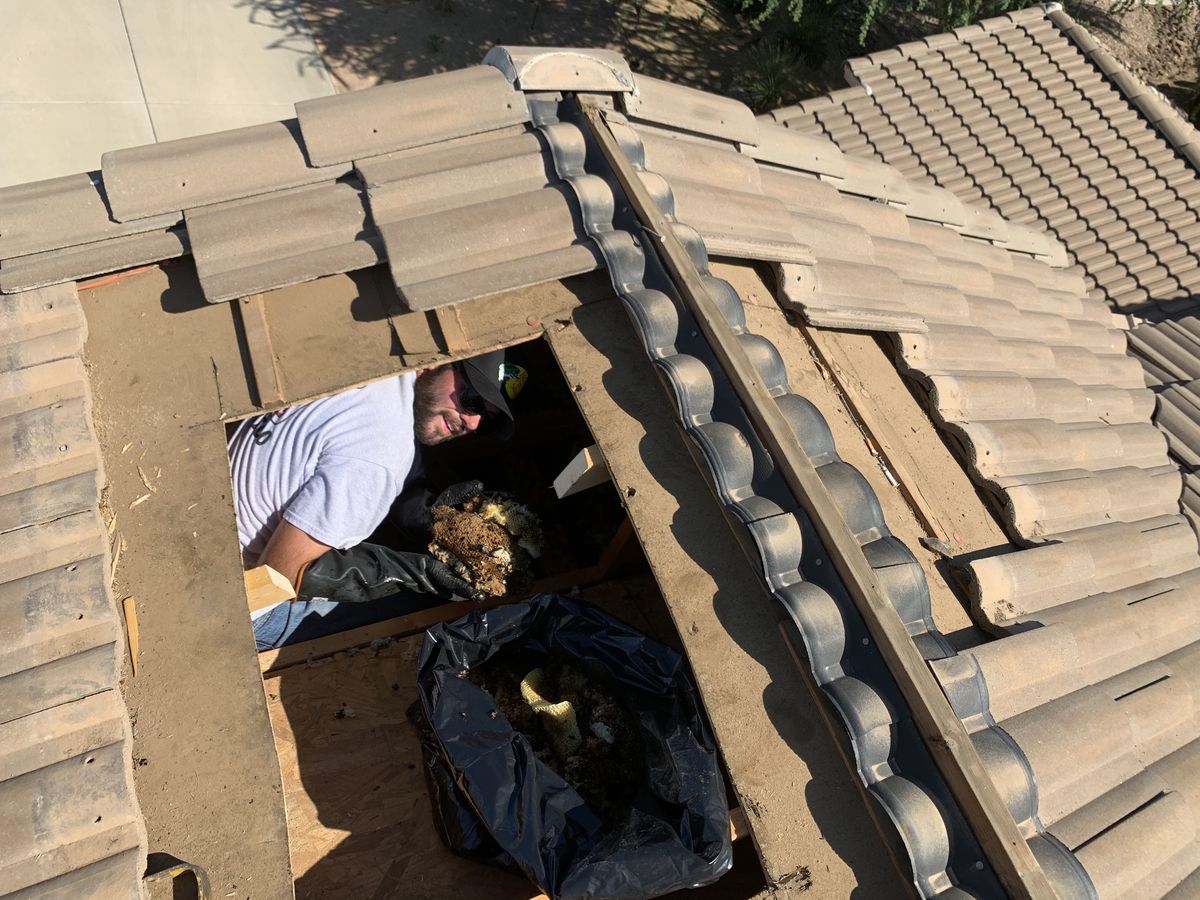
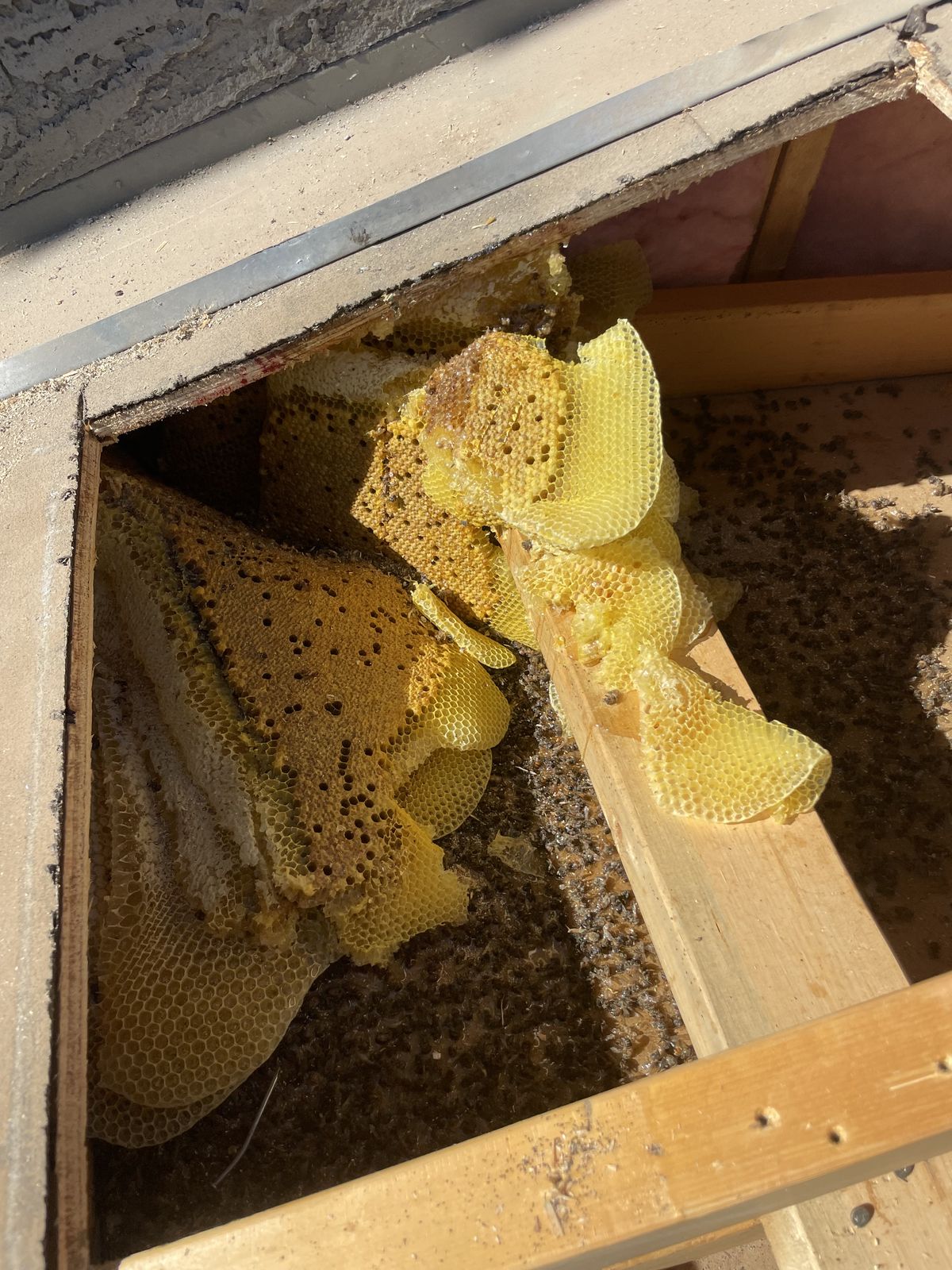
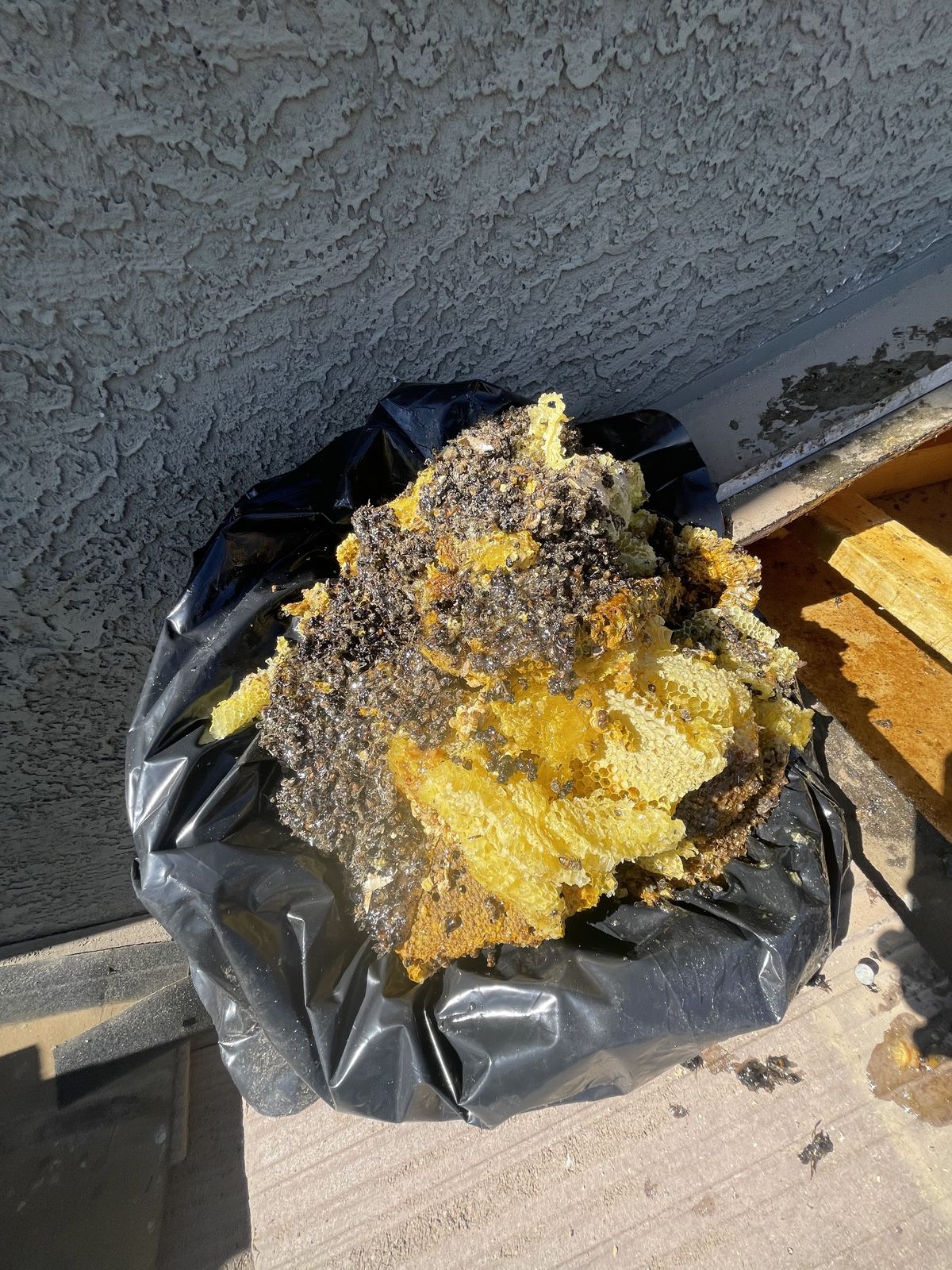
If bees built comb inside your structure, we remove all of it. Leftover comb attracts new swarms and can cause honey to seep through drywall and attract other pests.
Repair and Seal
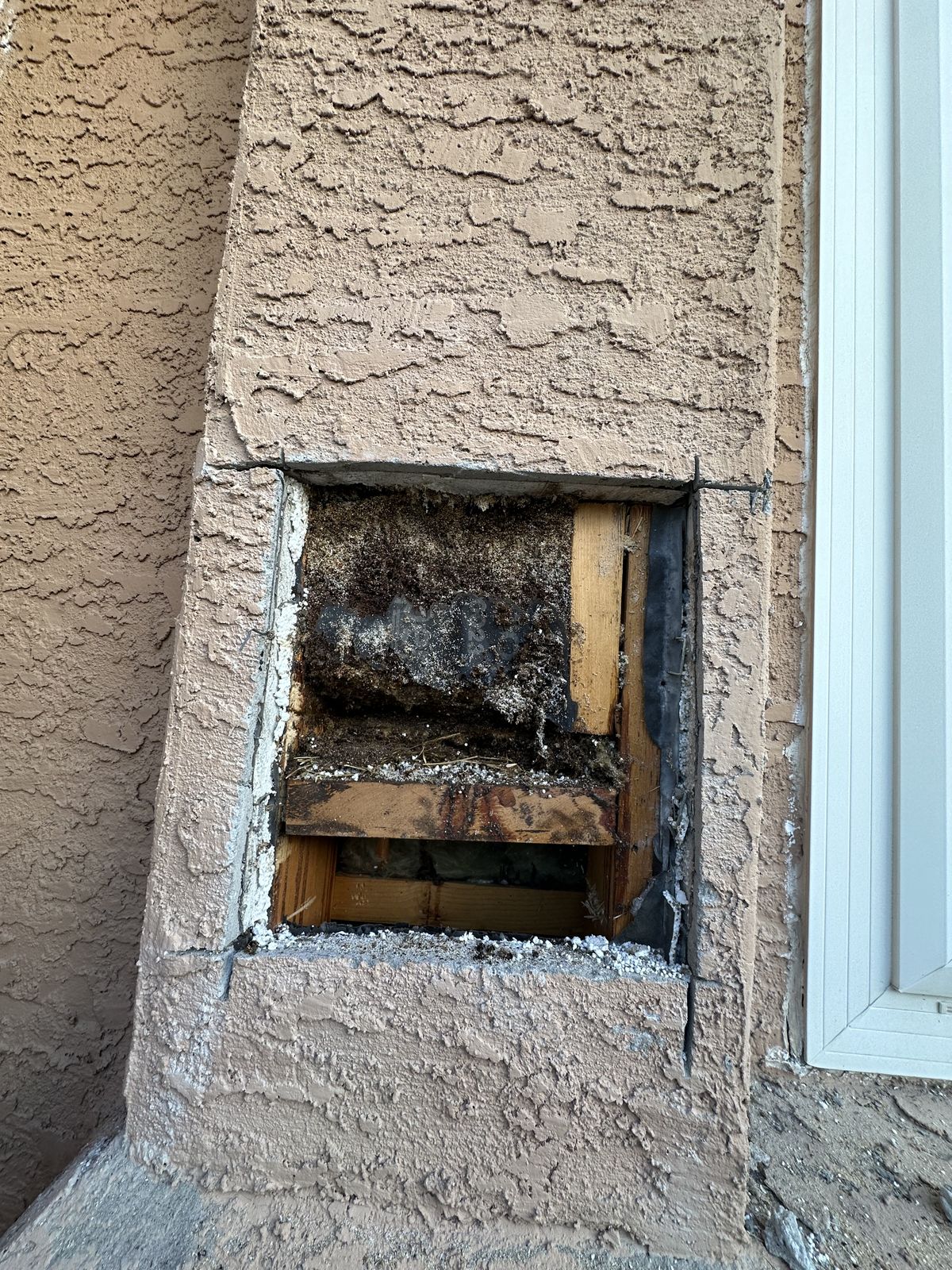
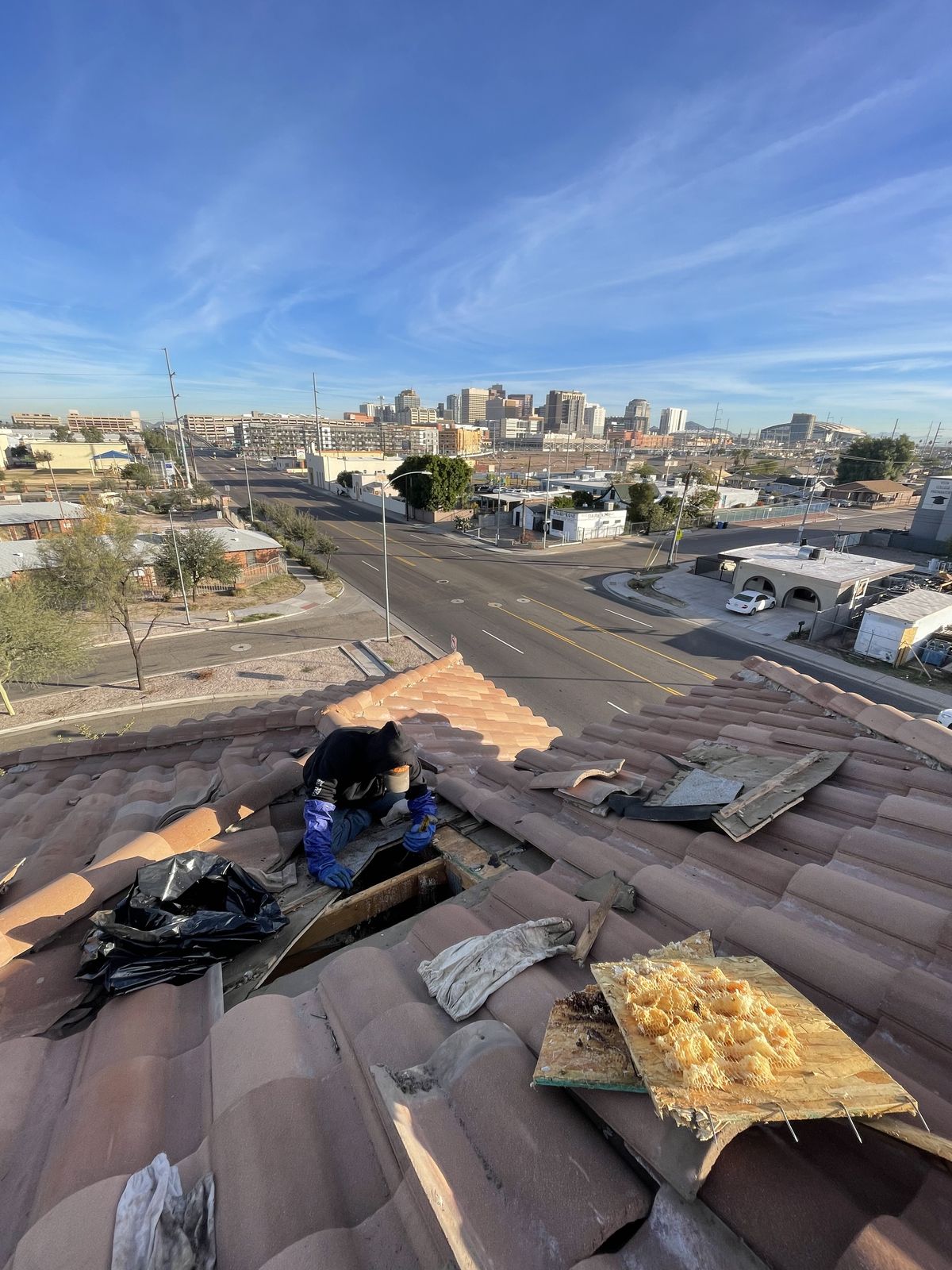
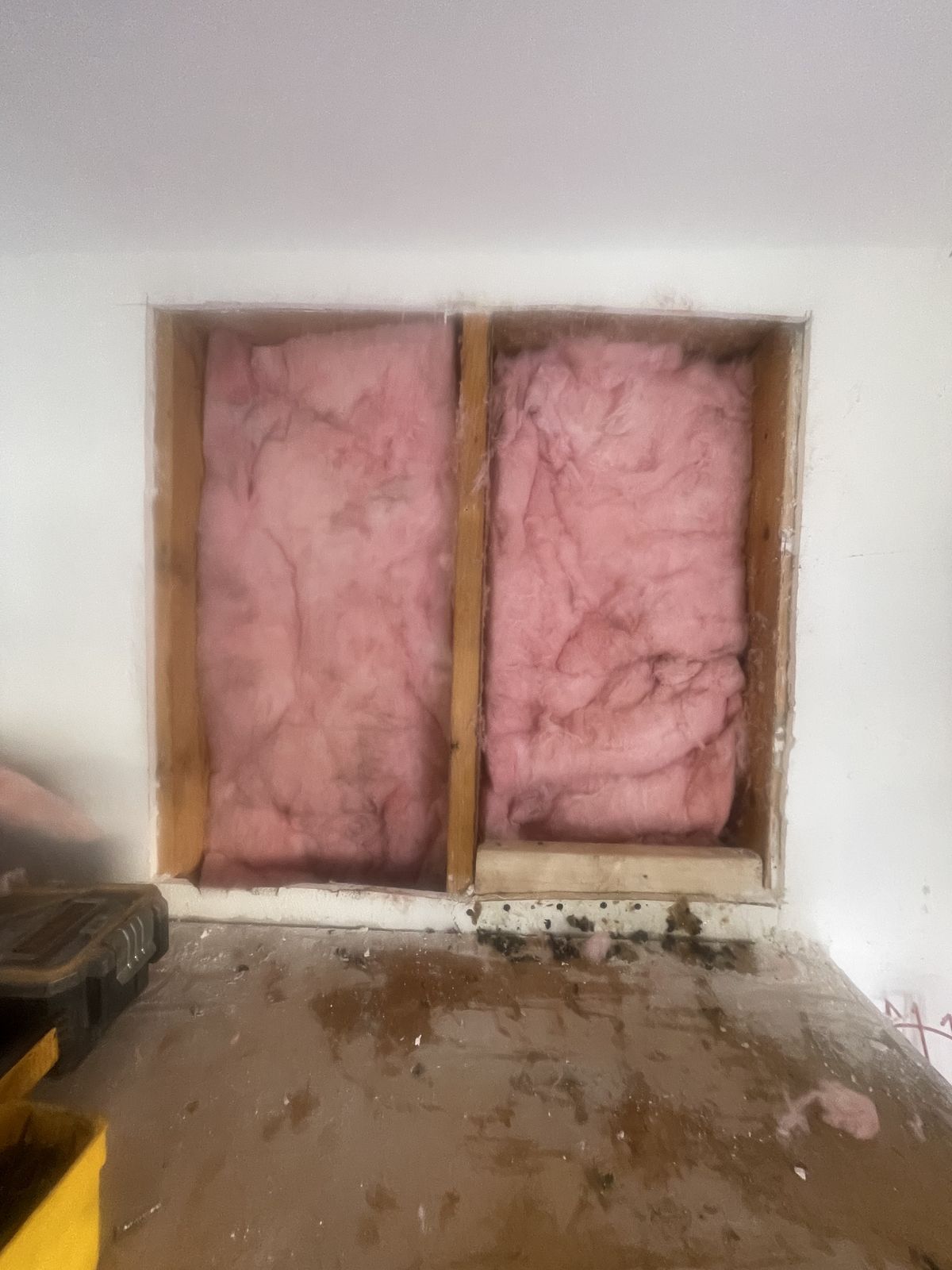
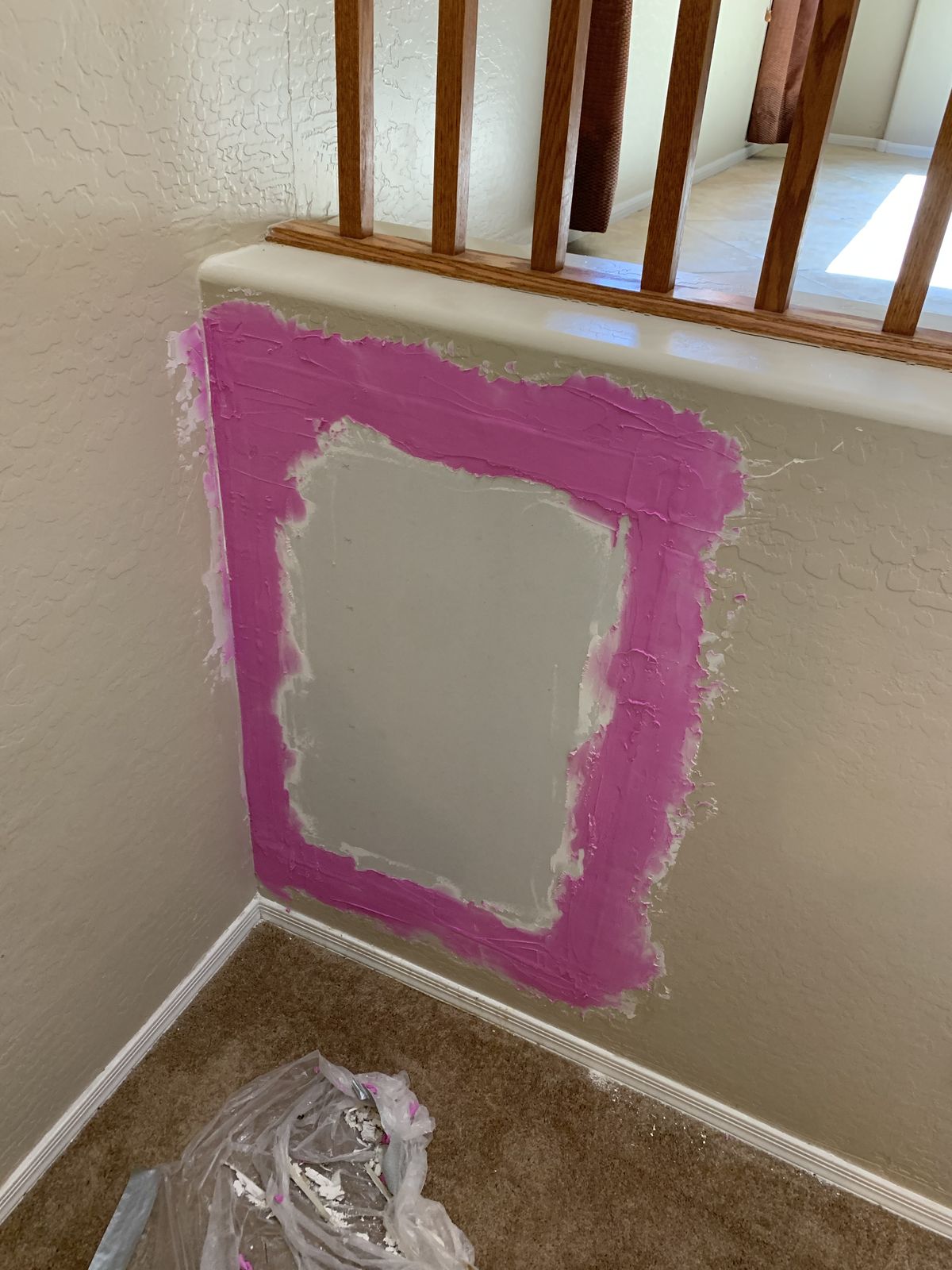
We close up any openings we created, repair the surface, and seal every entry point the bees used so a new colony cannot return to the same spot.
Treat and Prevent
We apply a residual treatment to the area to deter future swarms from building in the same location. We also point out other vulnerable spots on your property.
Why You Should Not Do This Yourself
DIY bee removal sends people to the hospital every summer in Phoenix.
We understand the instinct to grab a can of spray from the hardware store. But bee and wasp removal in Arizona carries real risks that most people do not think about until it is too late.
Important: If bees are swarming aggressively or someone in your household has a sting allergy, go inside, close the doors and windows, and call us at (602) 454-2700. Do not attempt to spray or hose them down.
Why Choose Raptor
Four reasons homeowners across the Valley call us first.
Safe, Thorough Removal
We eliminate the threat and remove the colony or nest so it does not come back. No half measures, no spray-and-pray.
Live Removal When Possible
When conditions allow, we relocate honeybees instead of exterminating them. We respect their role in the ecosystem.
Structure Repairs Included
If bees built comb inside your wall or ceiling, we open it, remove the comb, repair the opening, and seal it against re-entry.
Prevention That Lasts
We seal entry points and treat the area so a new swarm does not move into the same spot weeks later.
What You Receive
A complete job, documented from start to finish.
Before and After Photos
We document the colony or nest, the removal process, and the finished repair so you can see exactly what was done.
Removal Summary
A plain-language write-up of what was found, what was removed, what was treated, and what was sealed.
Entry Point Sealing
Every access point the bees used is sealed and treated to prevent a new swarm from moving into the same location.
Prevention Guidance
We point out other areas of your property that could attract bees or wasps and explain how to reduce the risk.
Gallery
Real bee and wasp removal jobs across the Phoenix Valley.
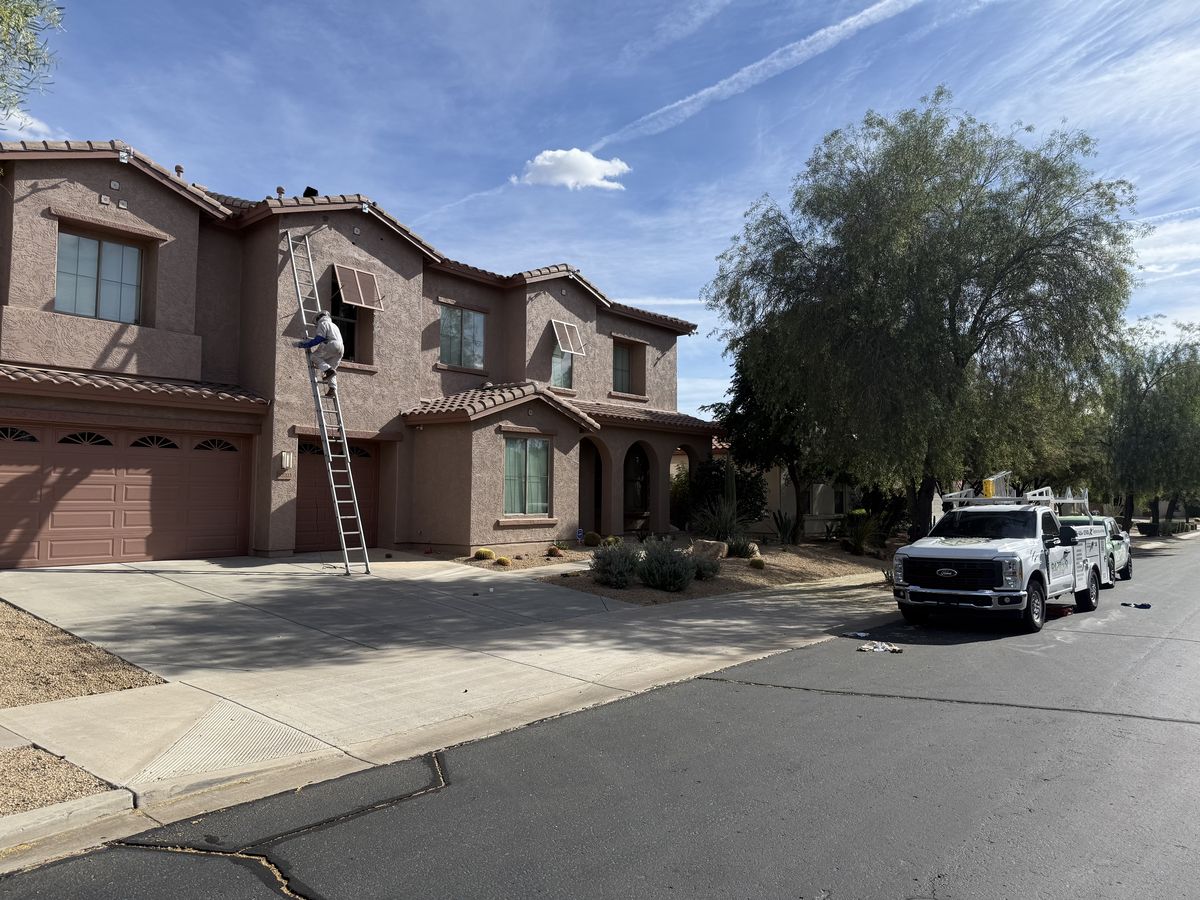
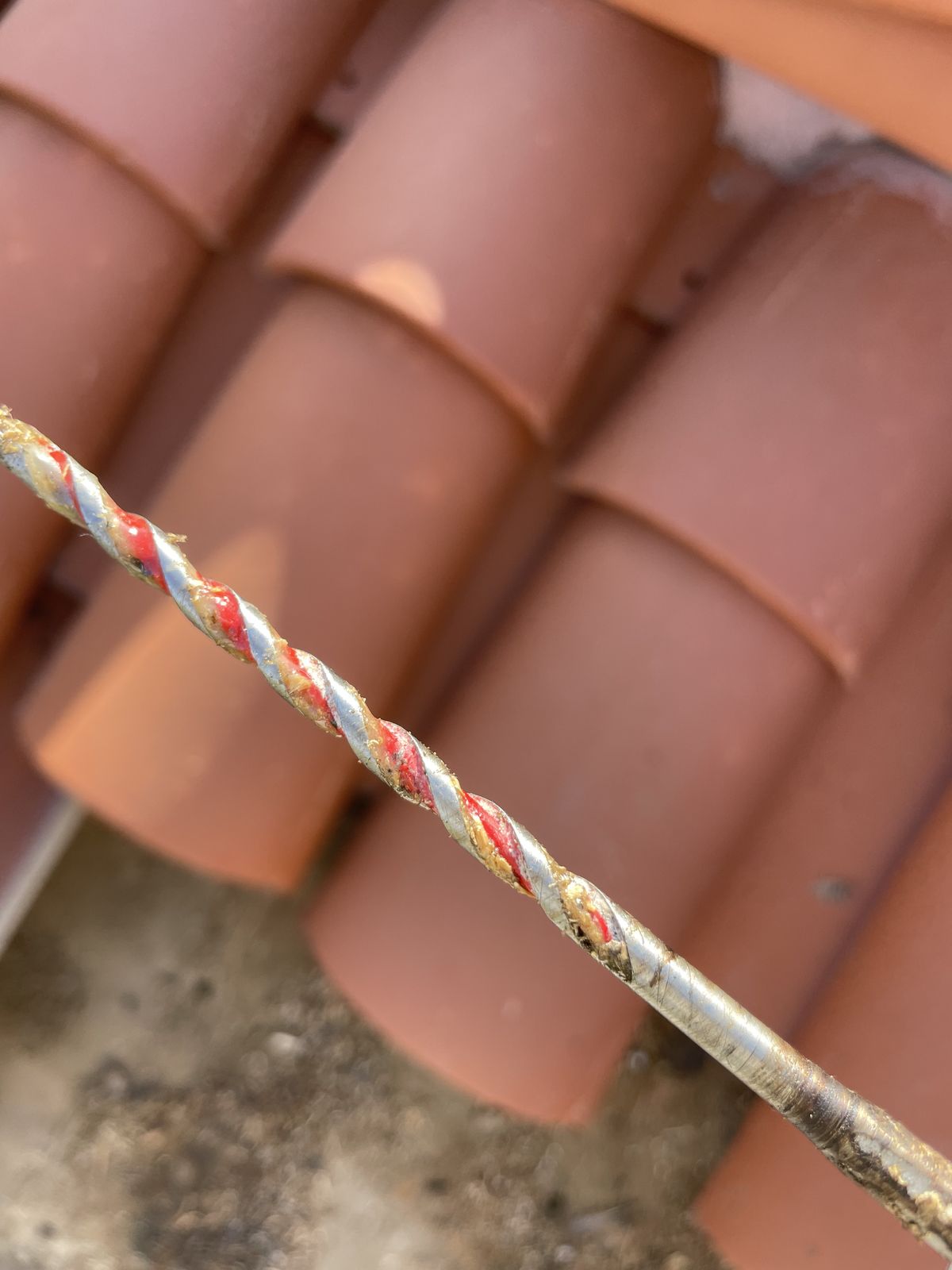
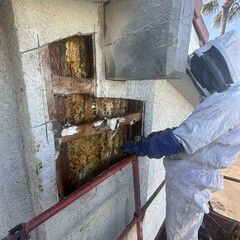
See our work including swarm removal, comb extraction from walls, structural repairs, and wasp nest elimination.
Bee Control Photo Gallery
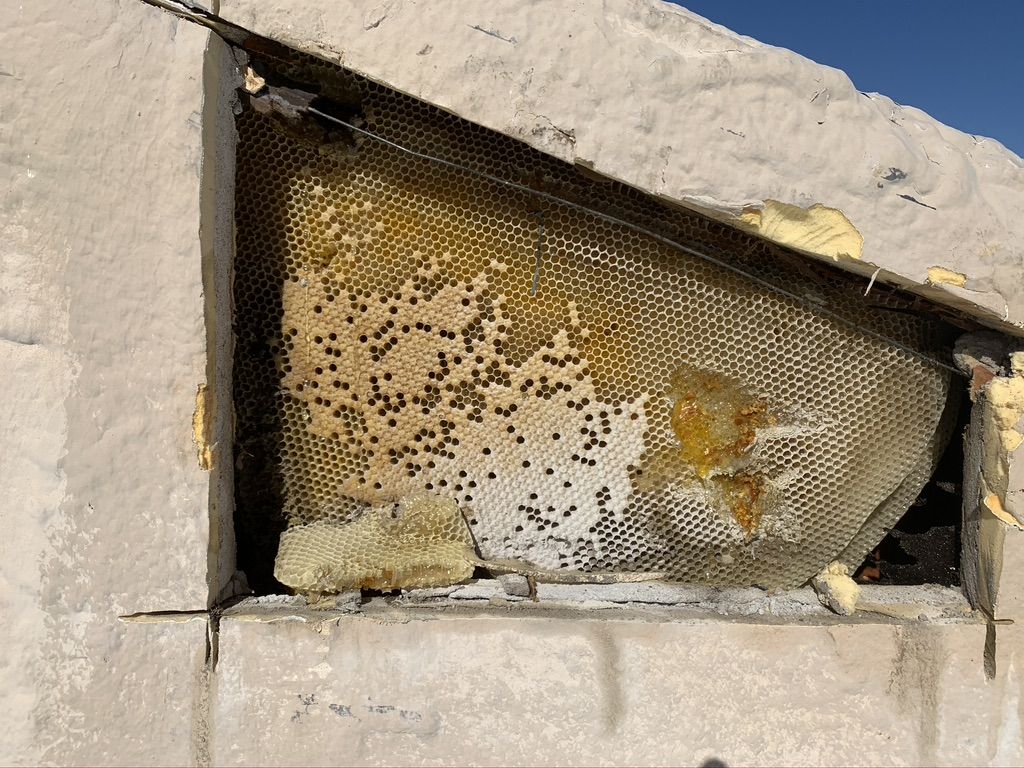
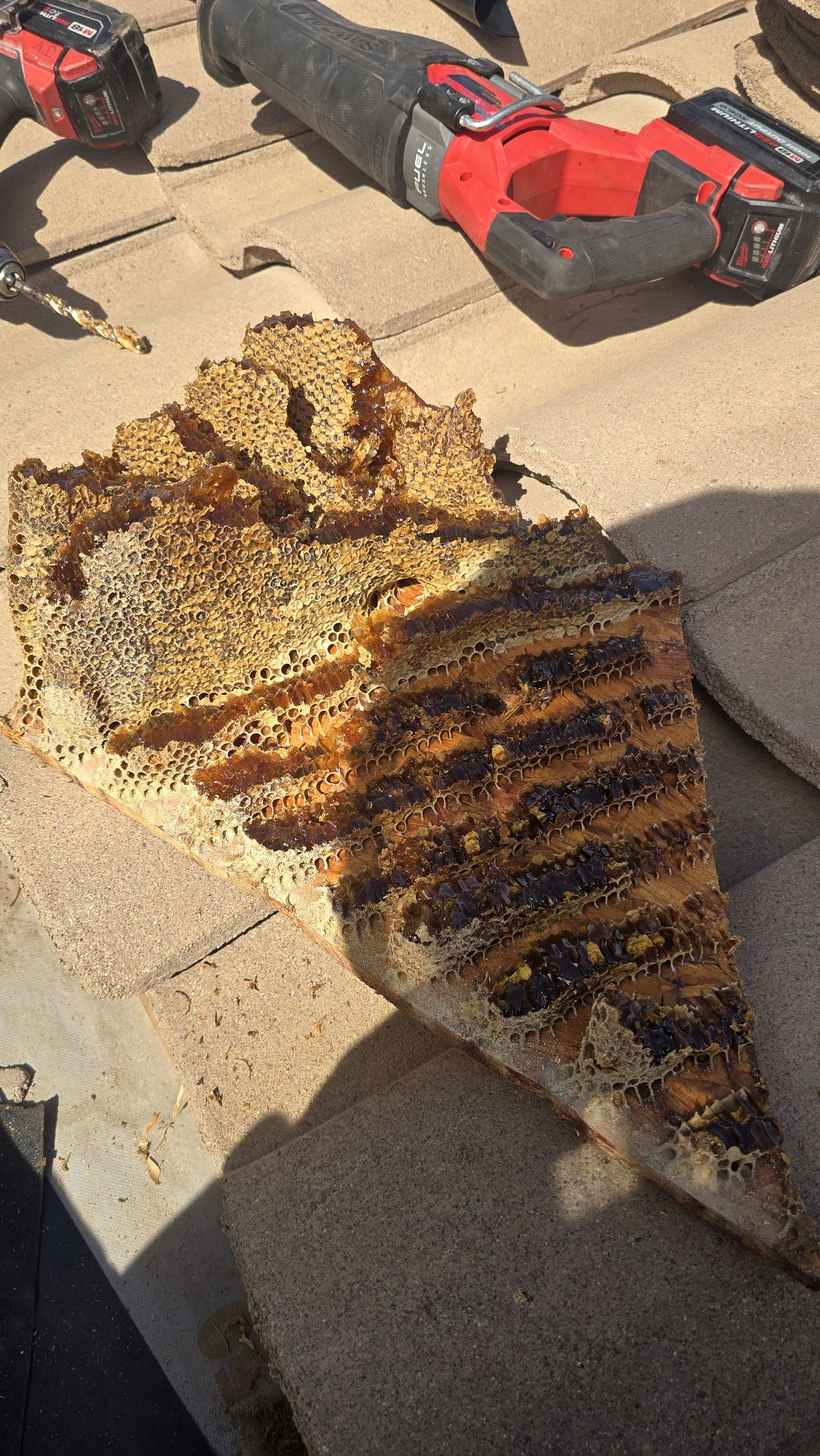
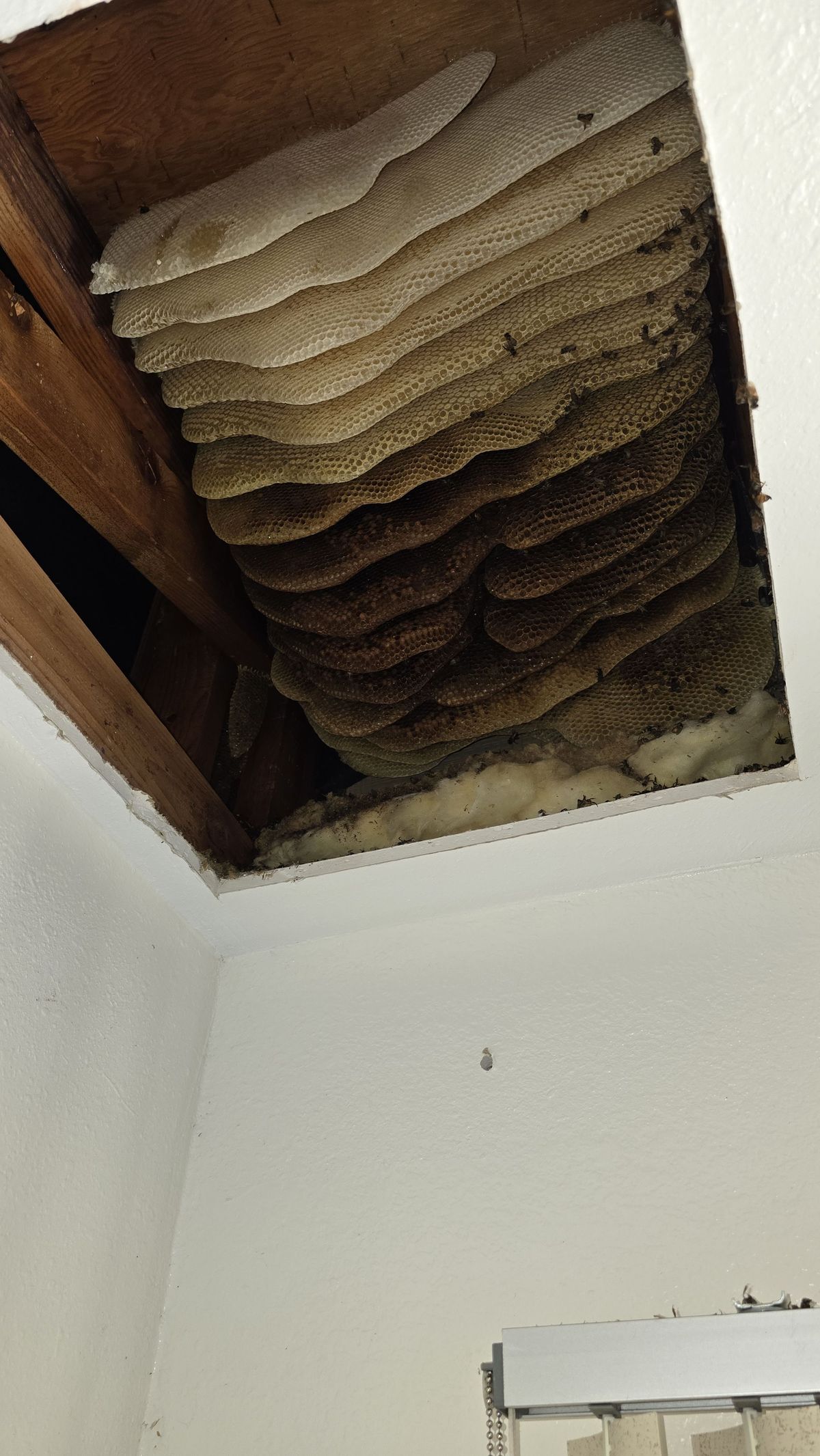
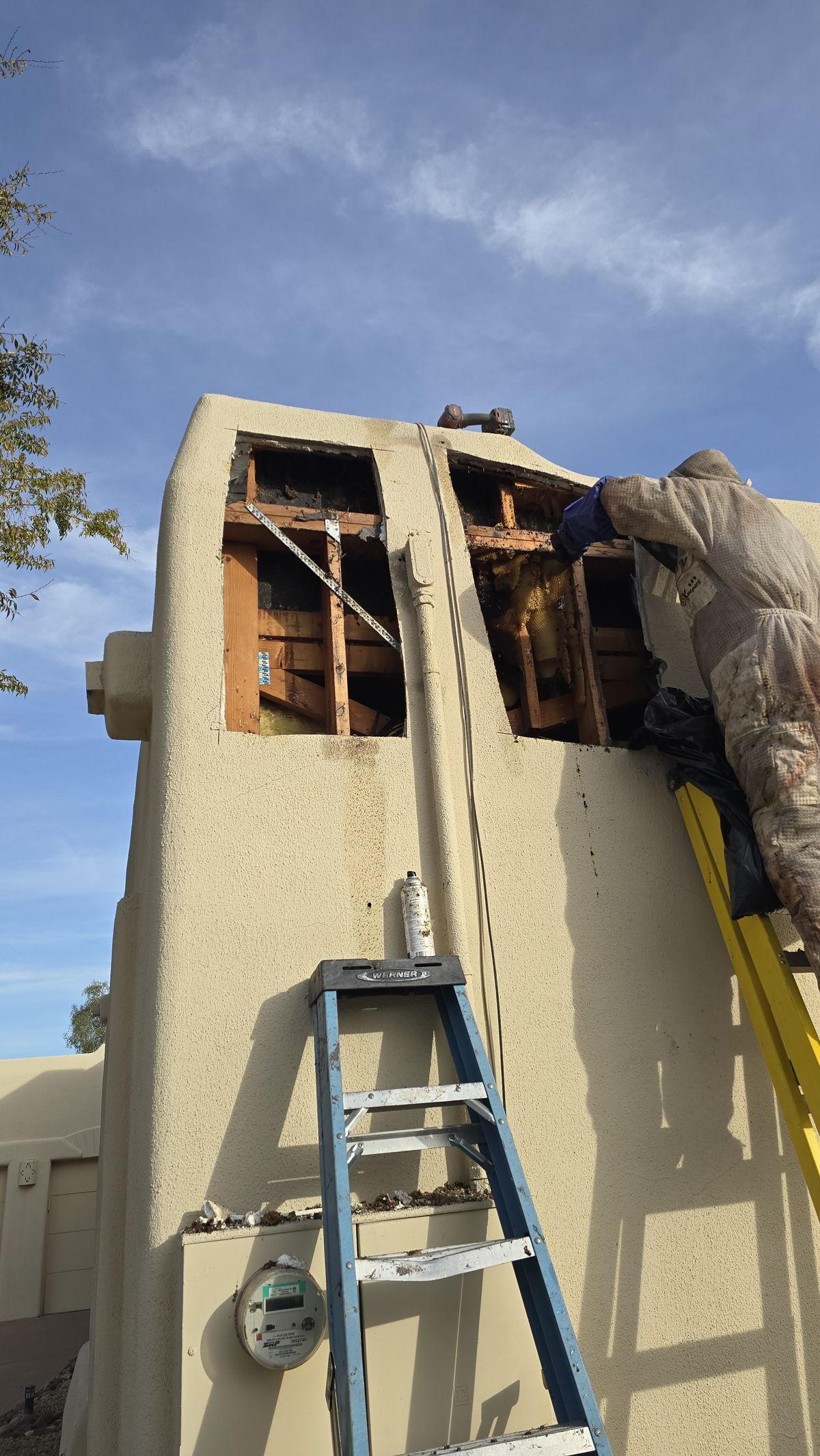
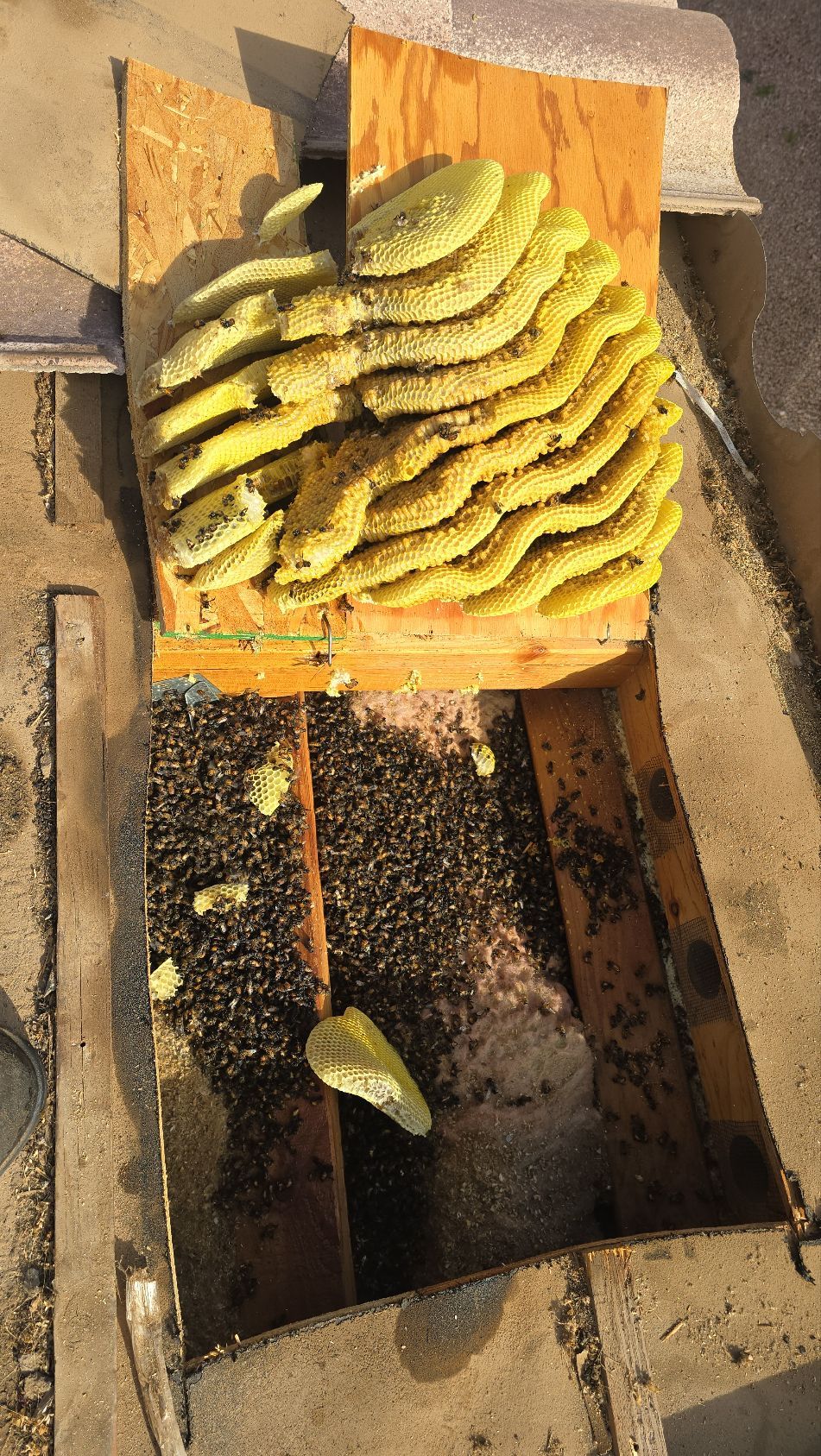
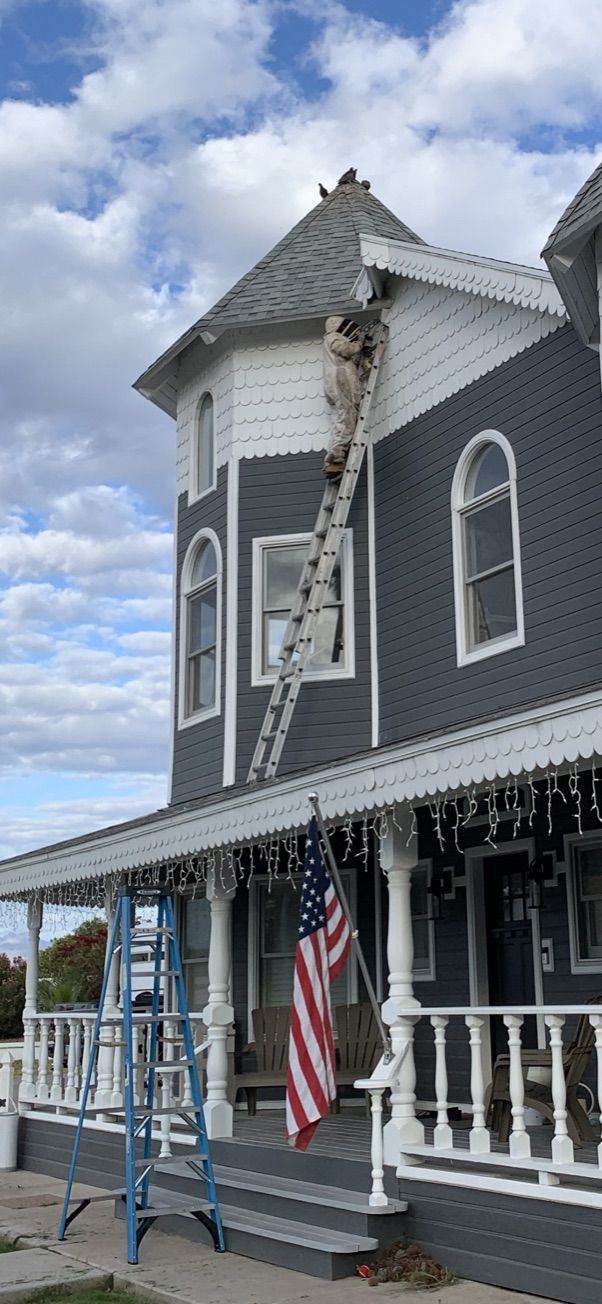
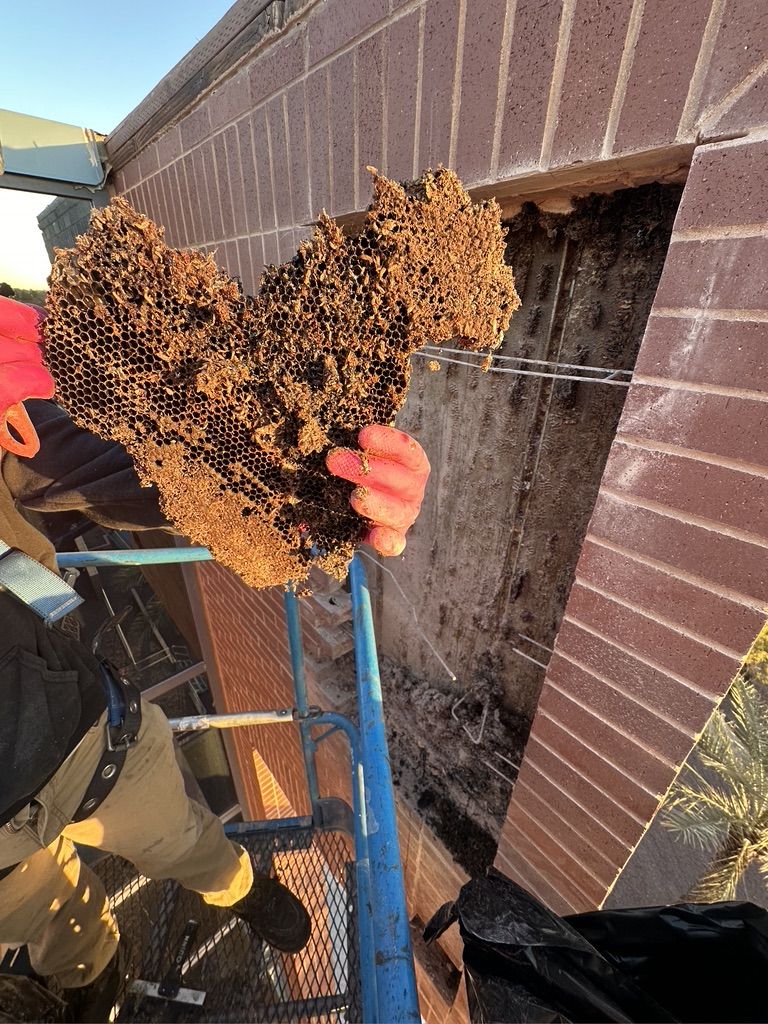
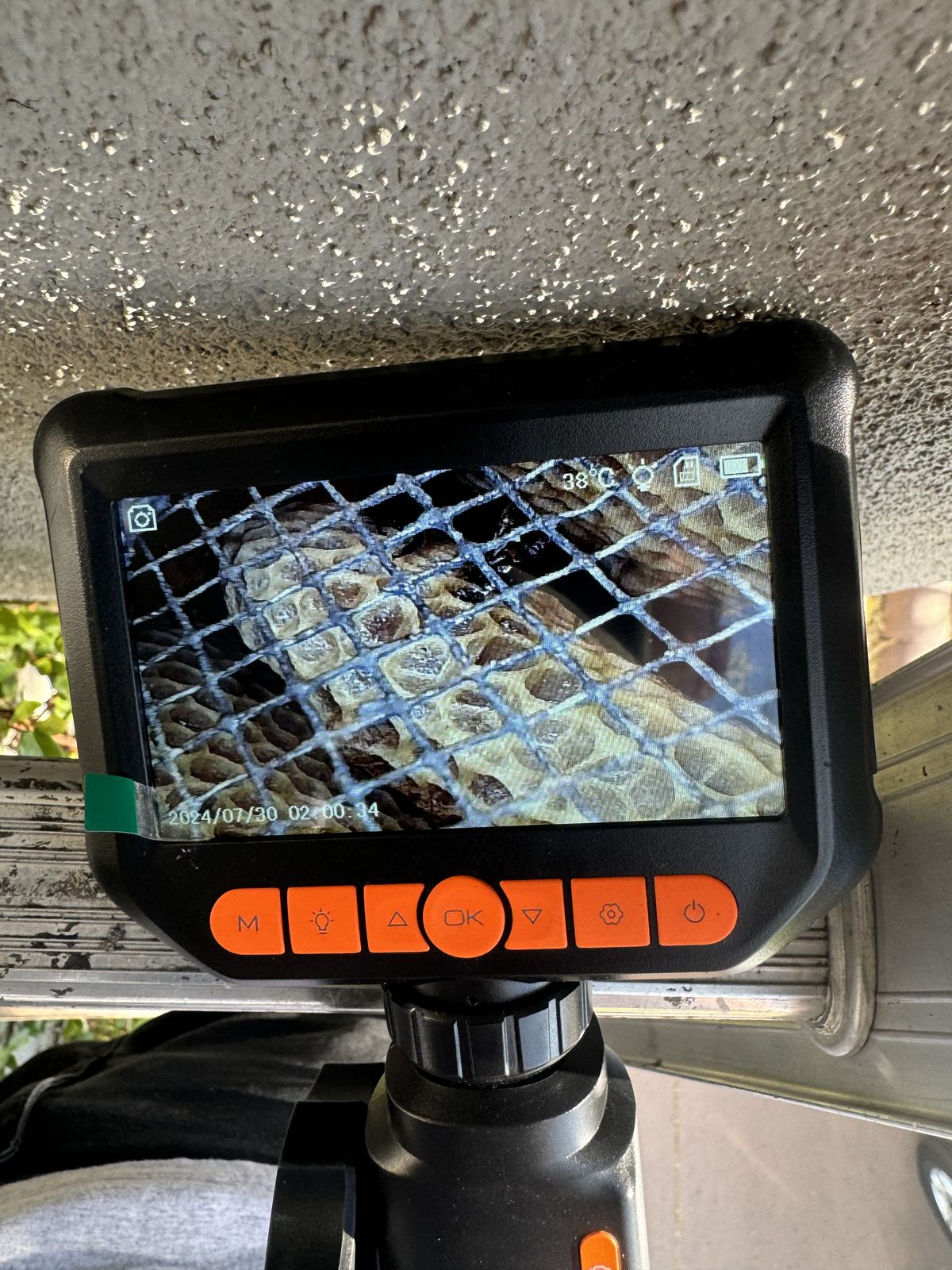
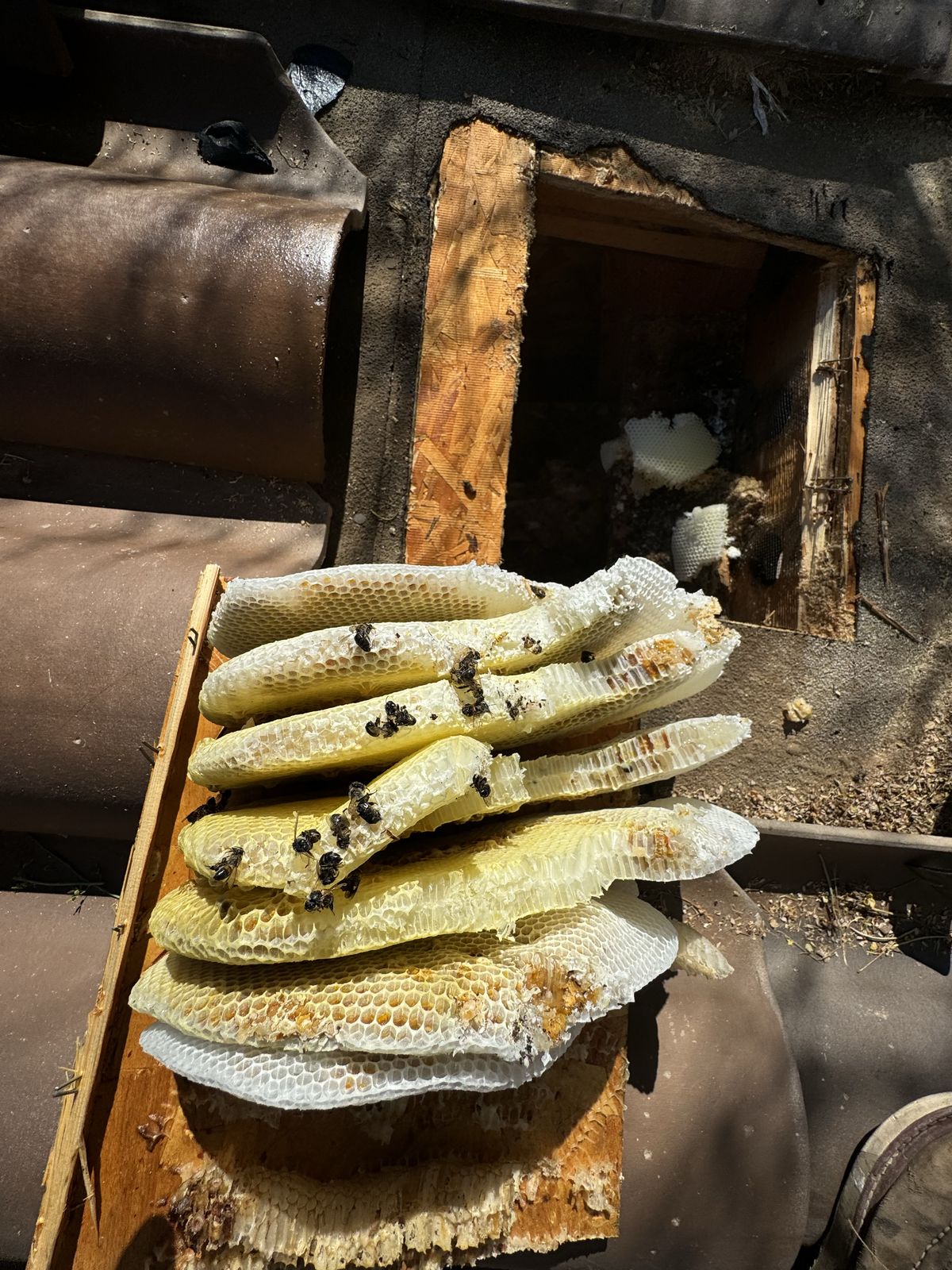
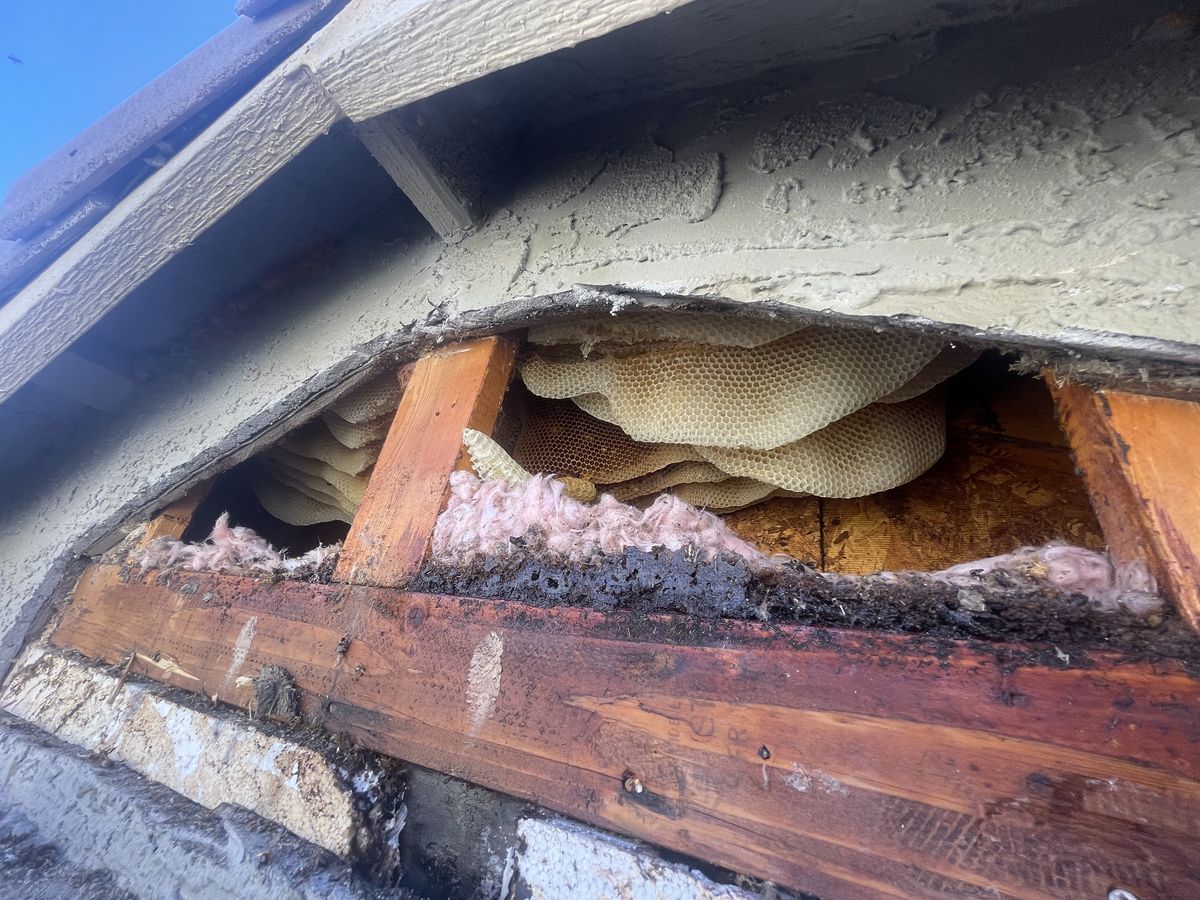
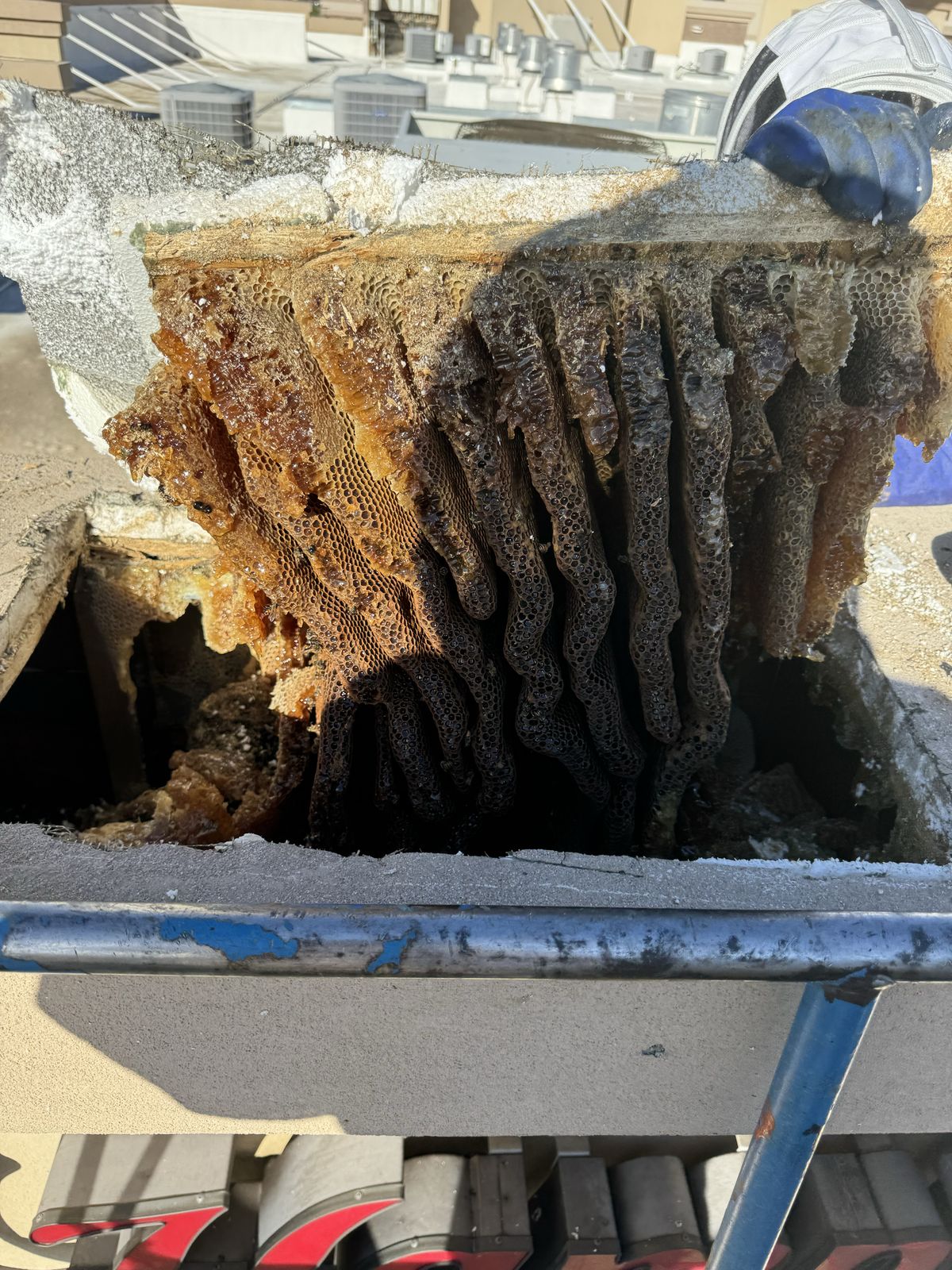
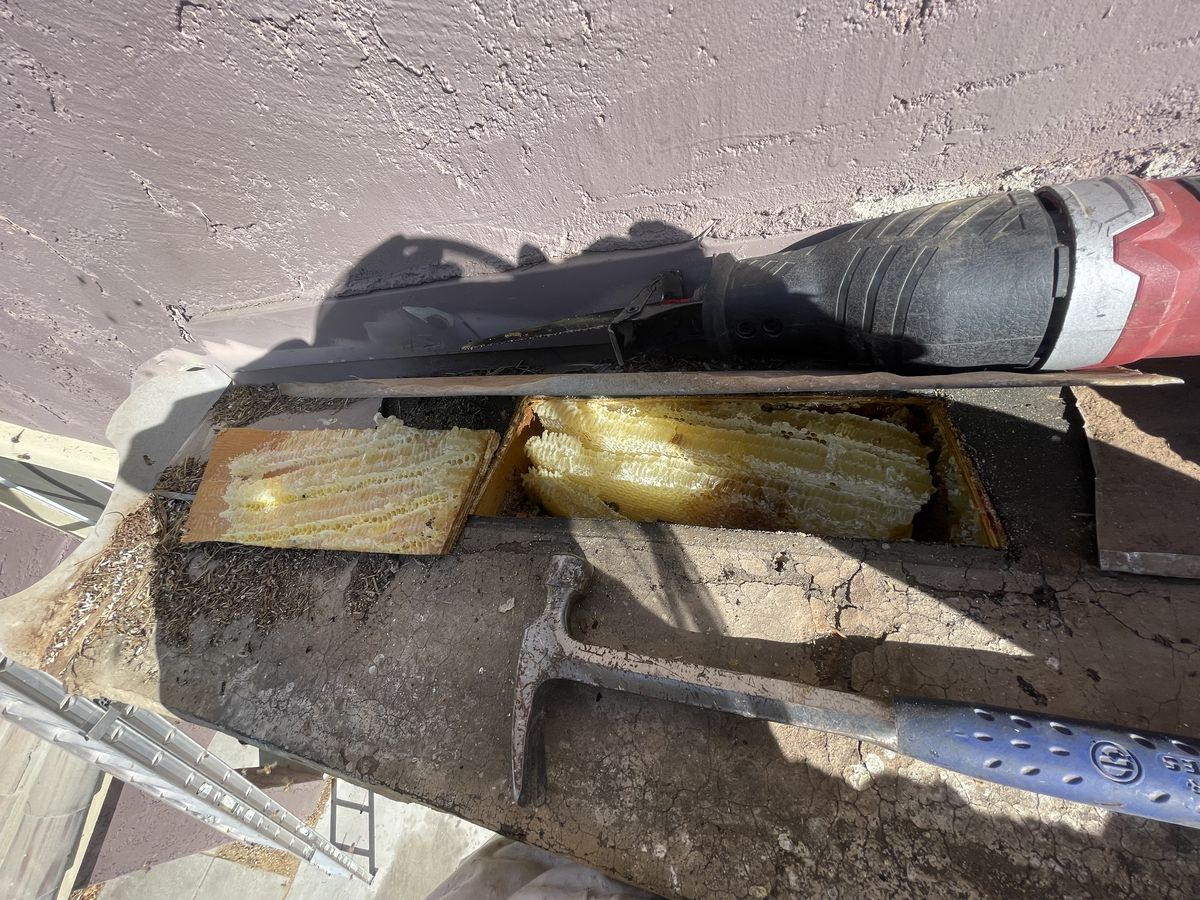
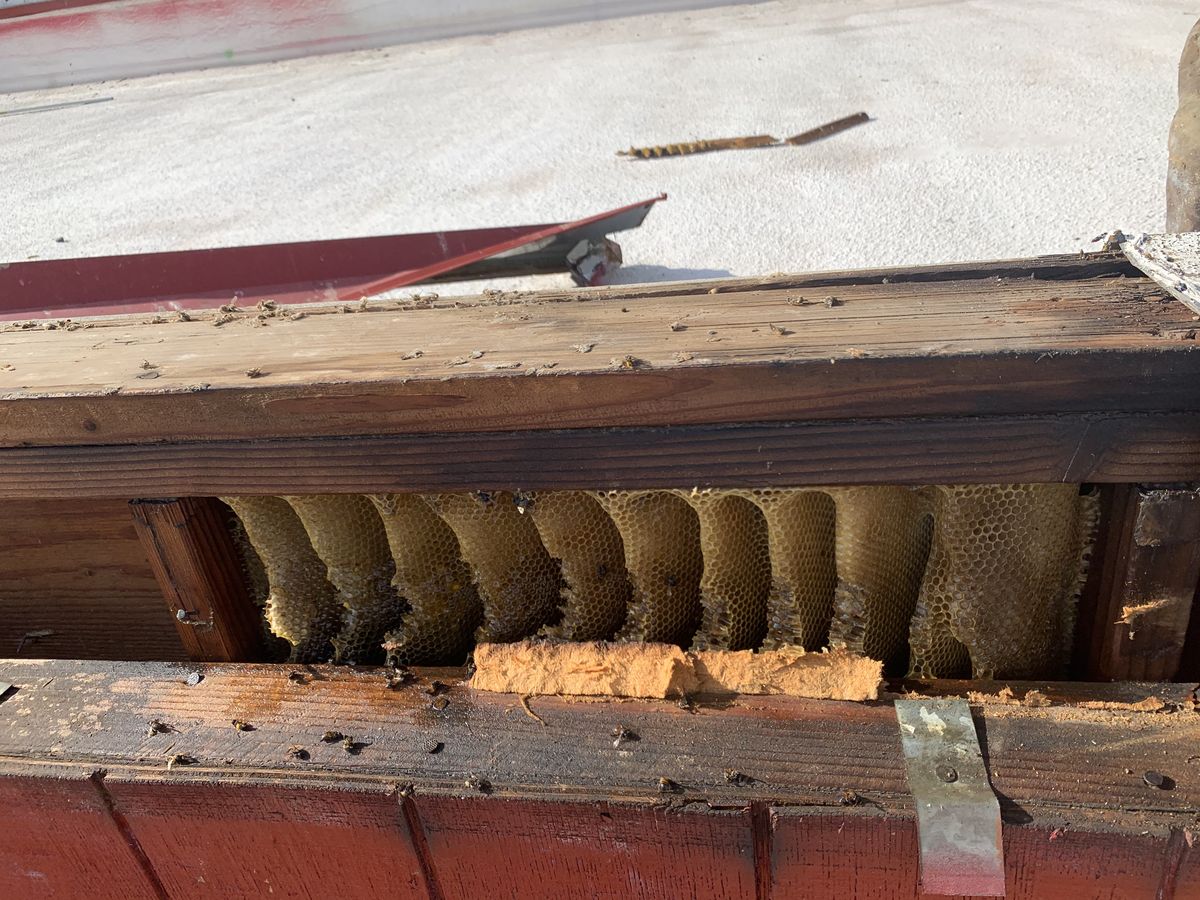
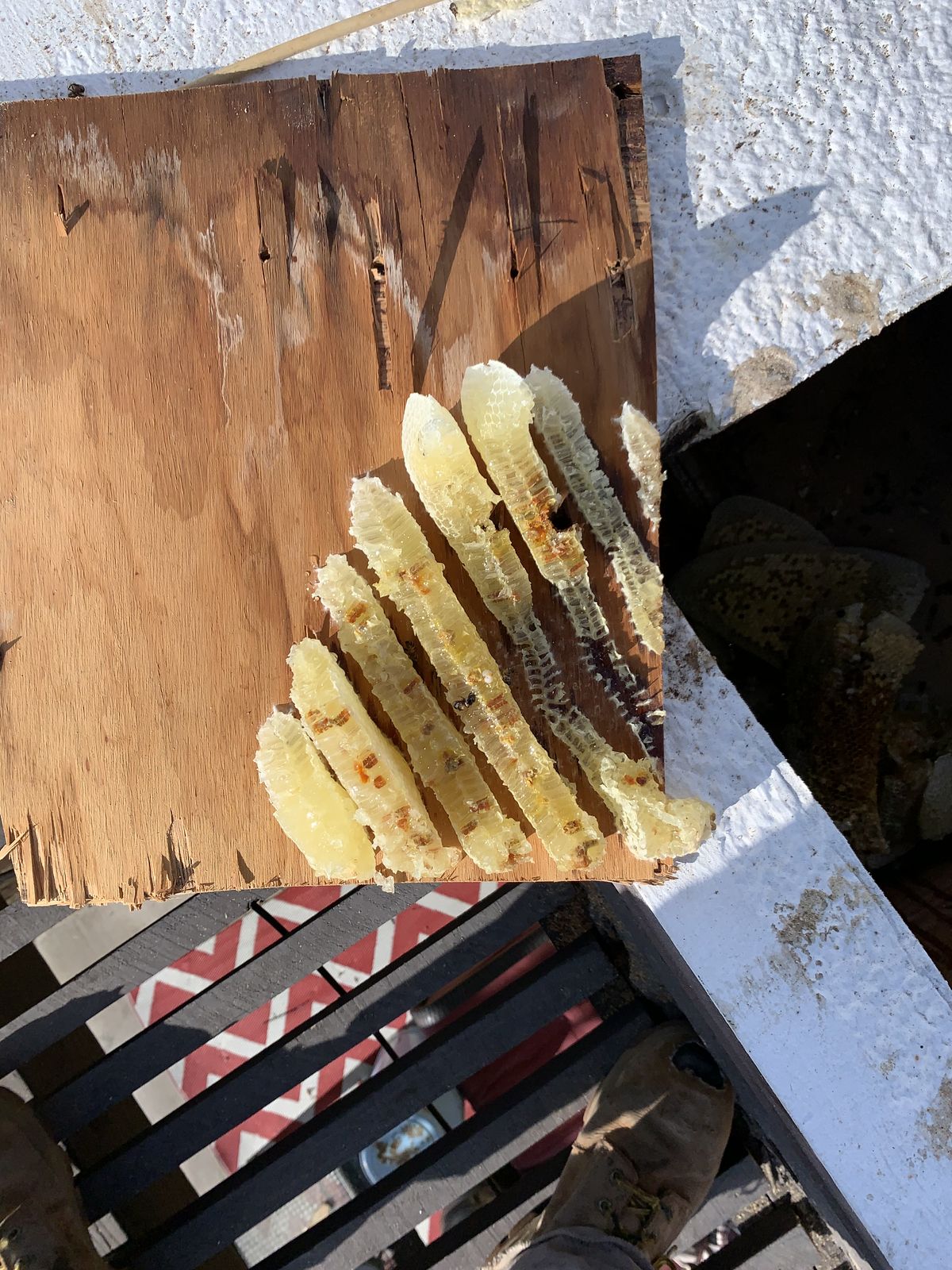
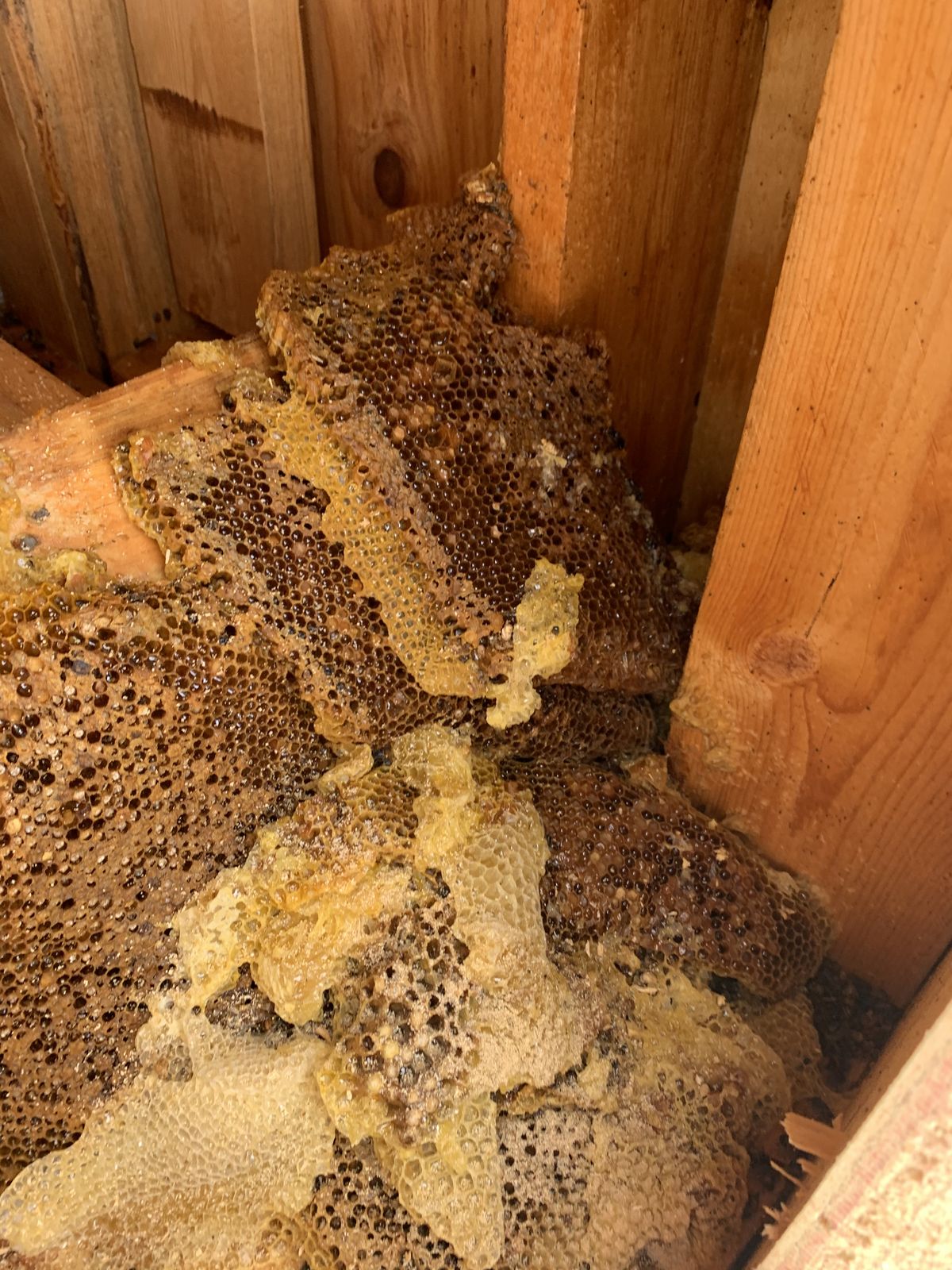
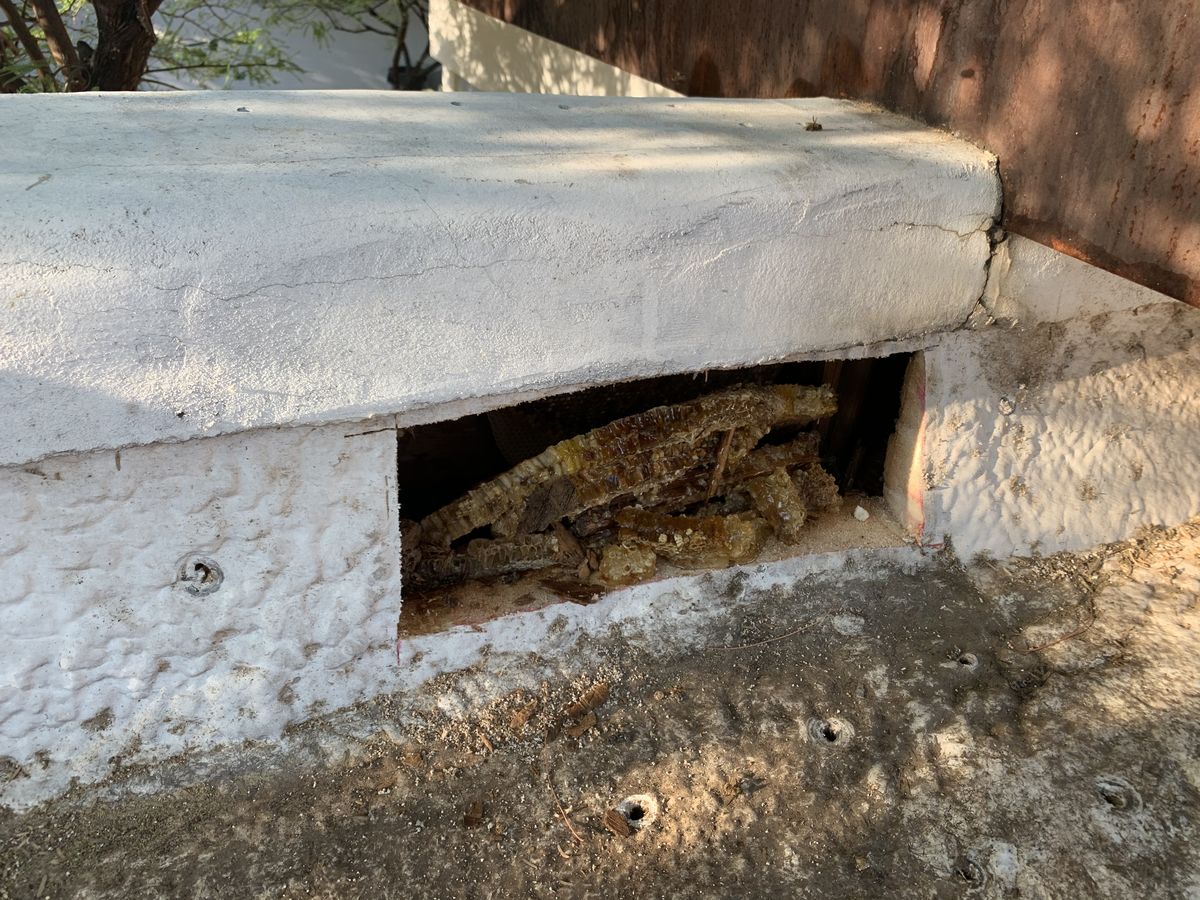
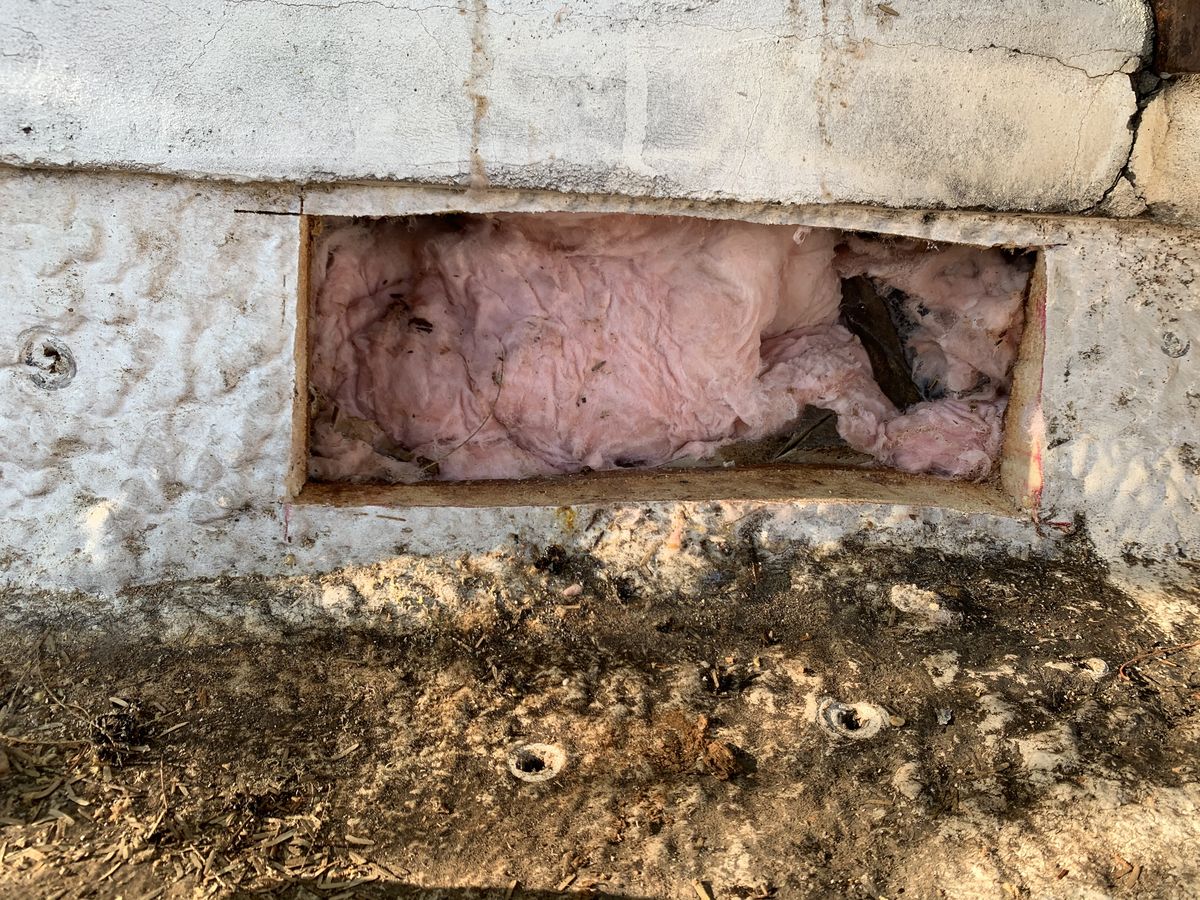
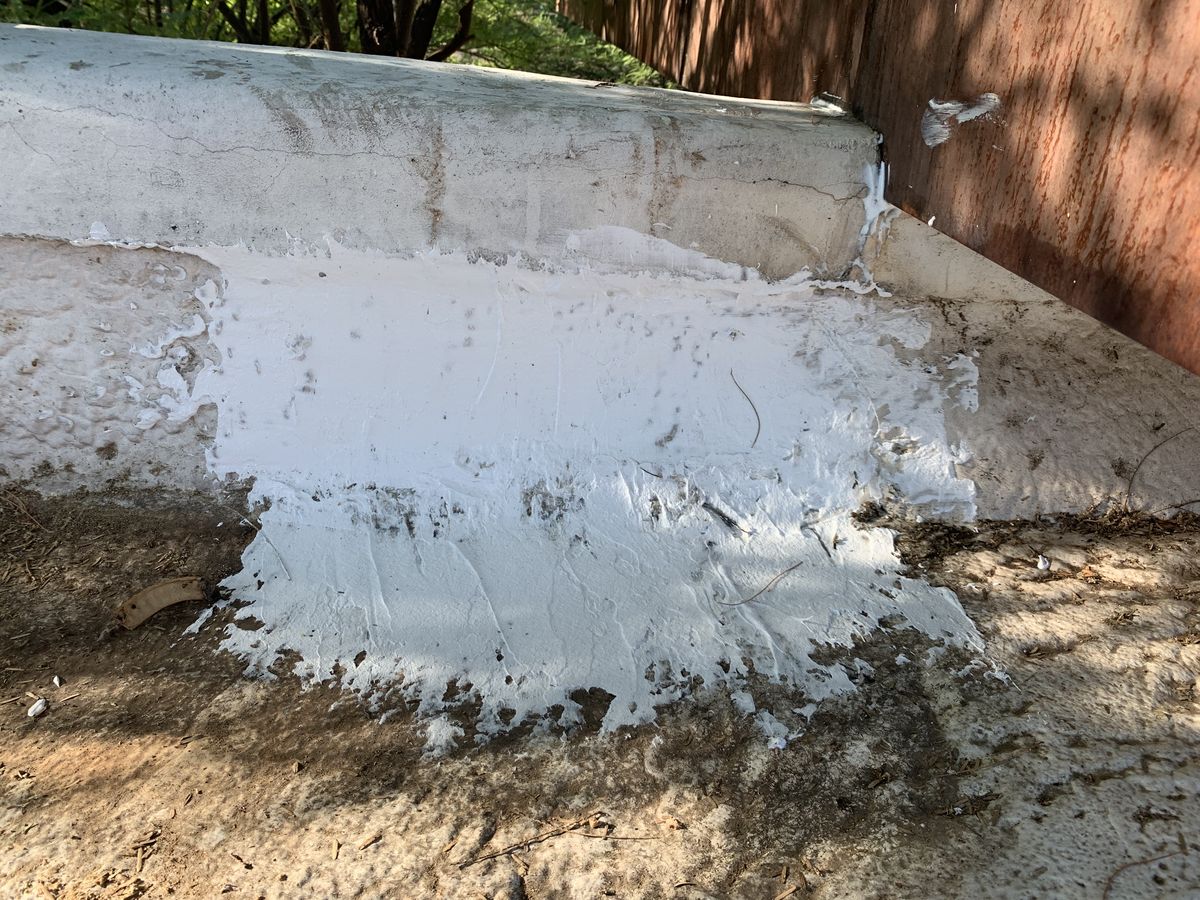
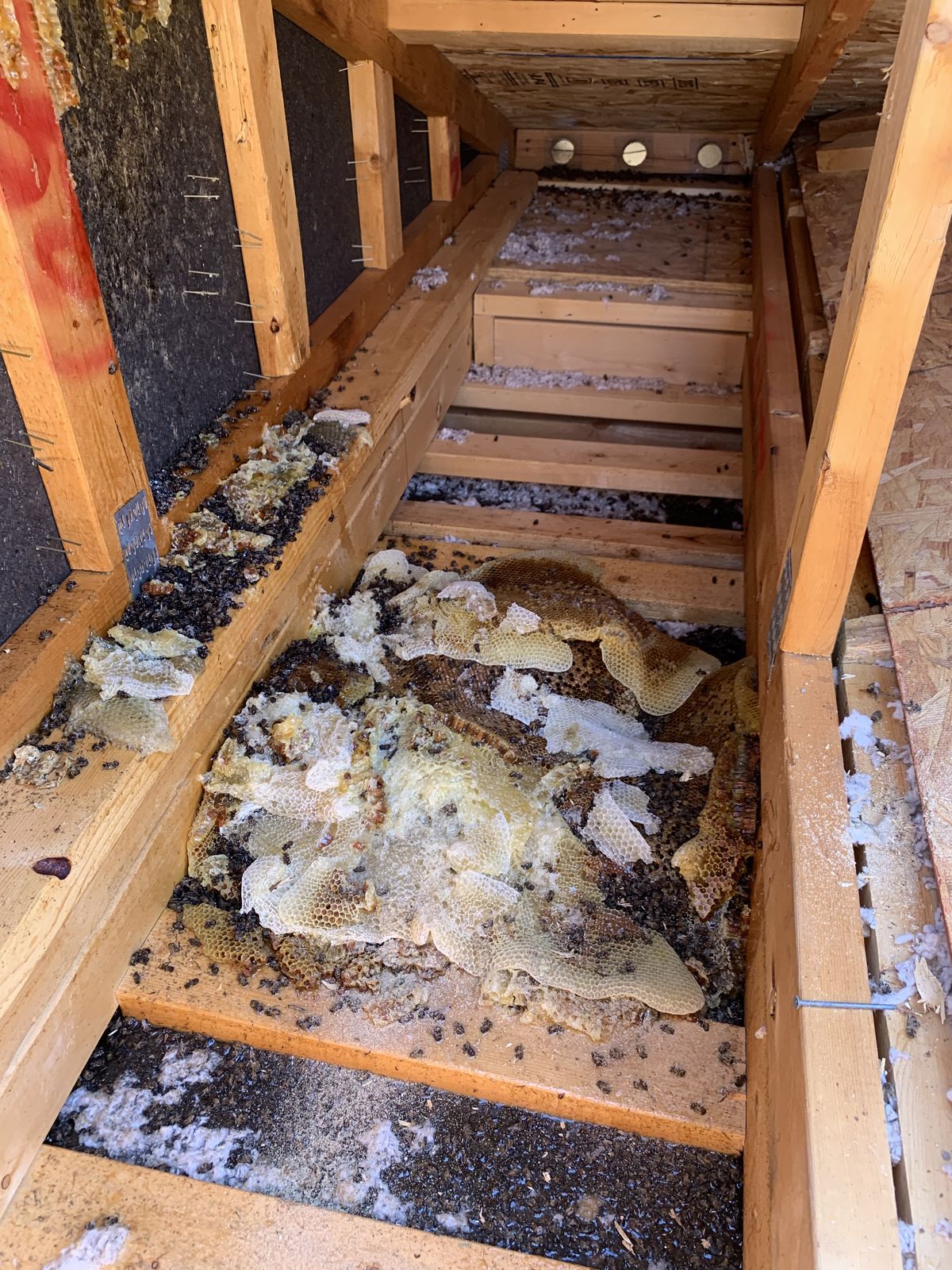
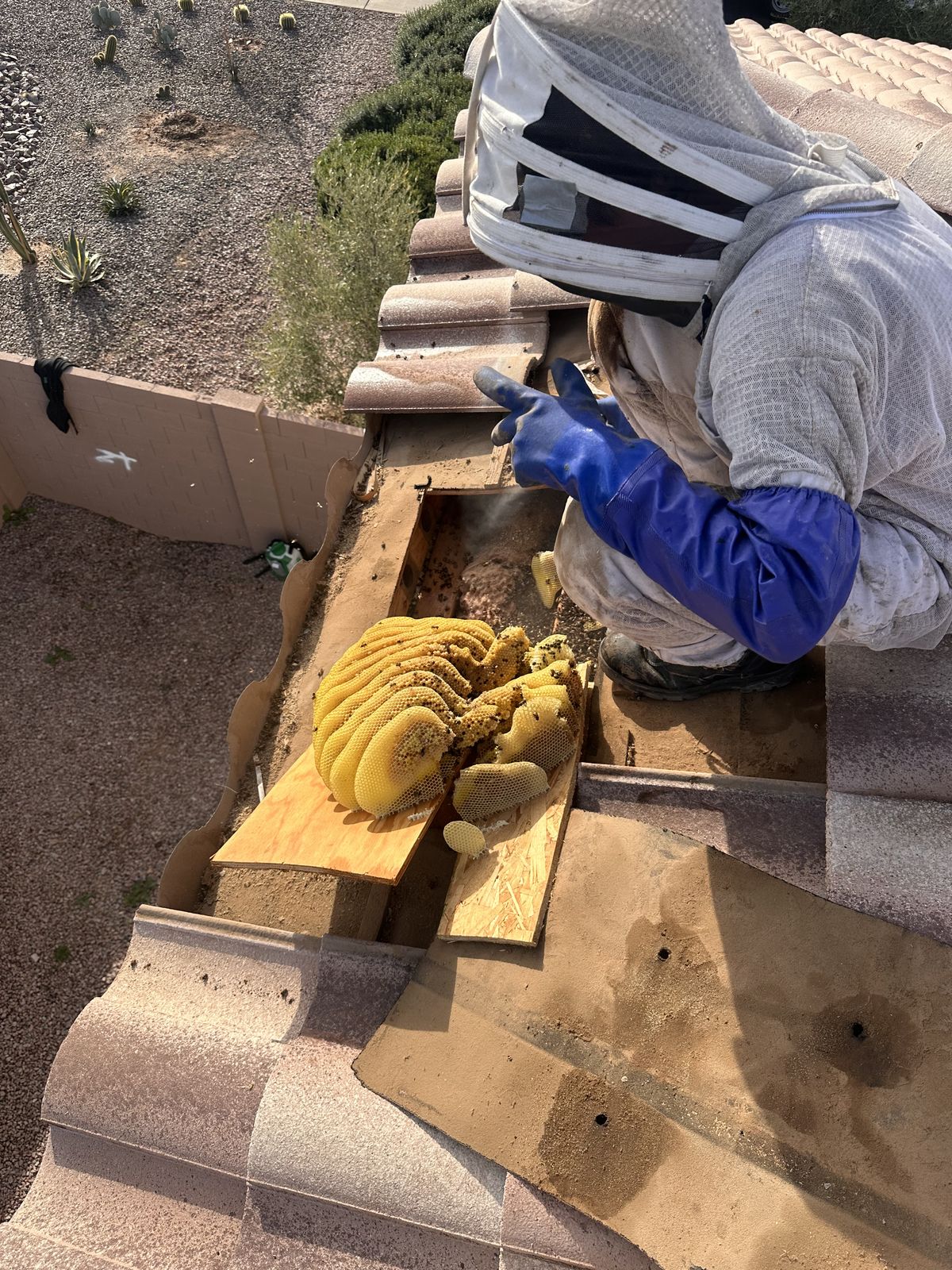
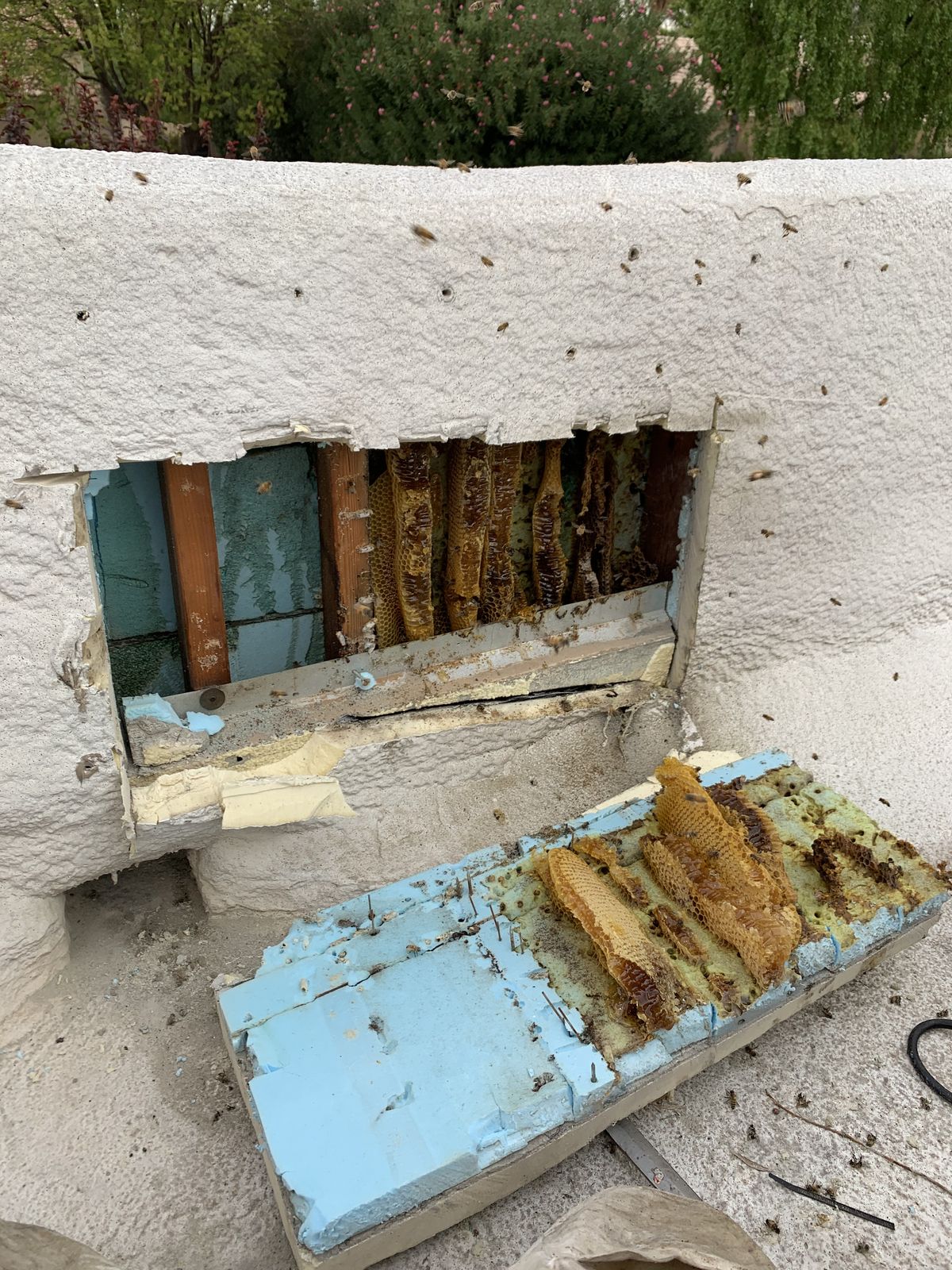
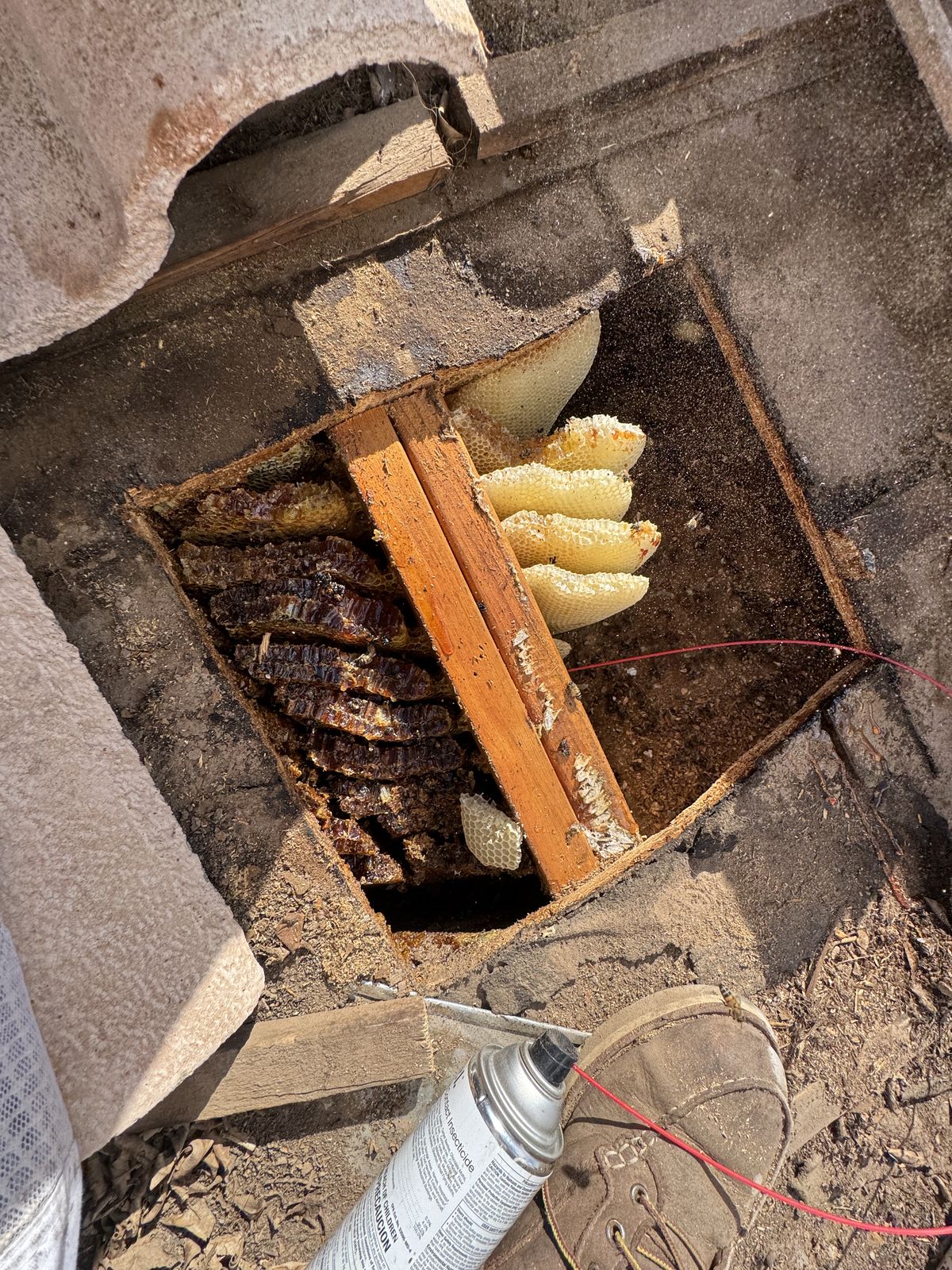
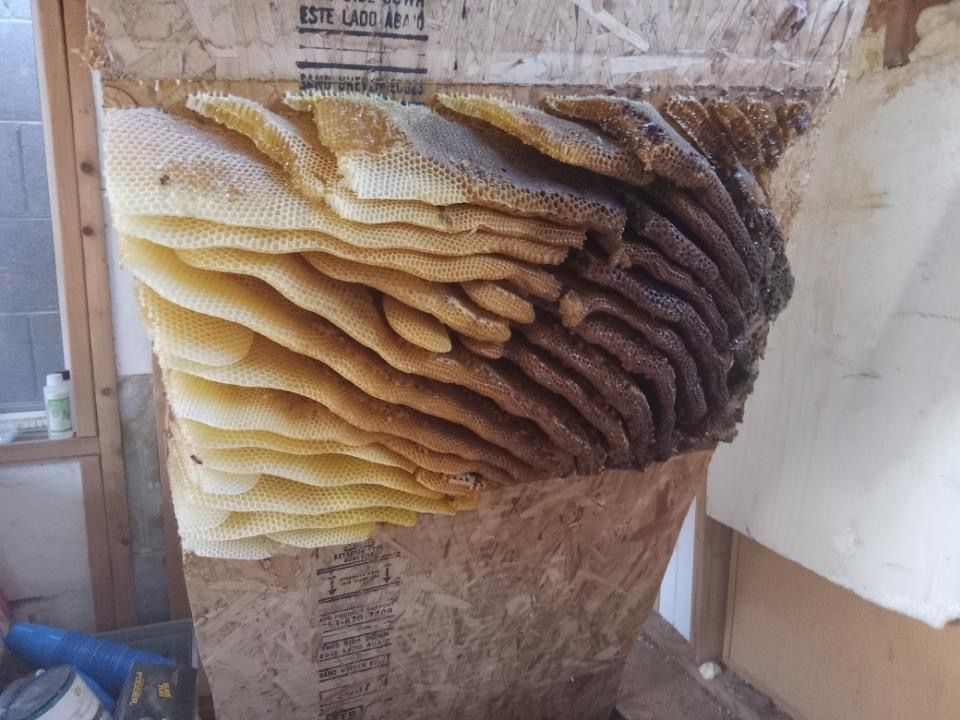
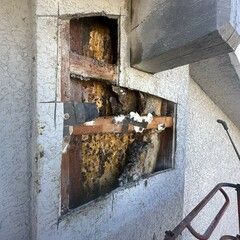
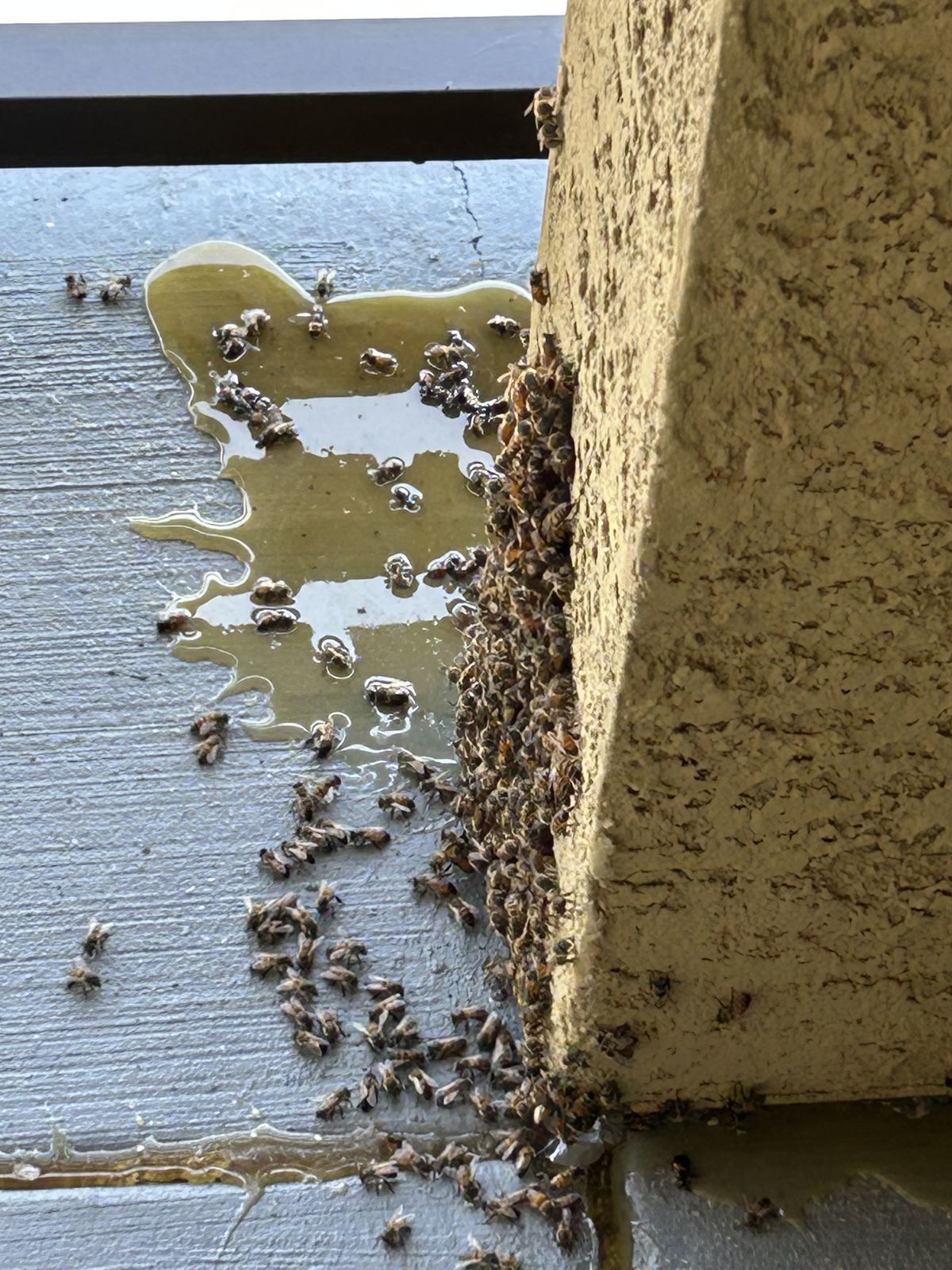
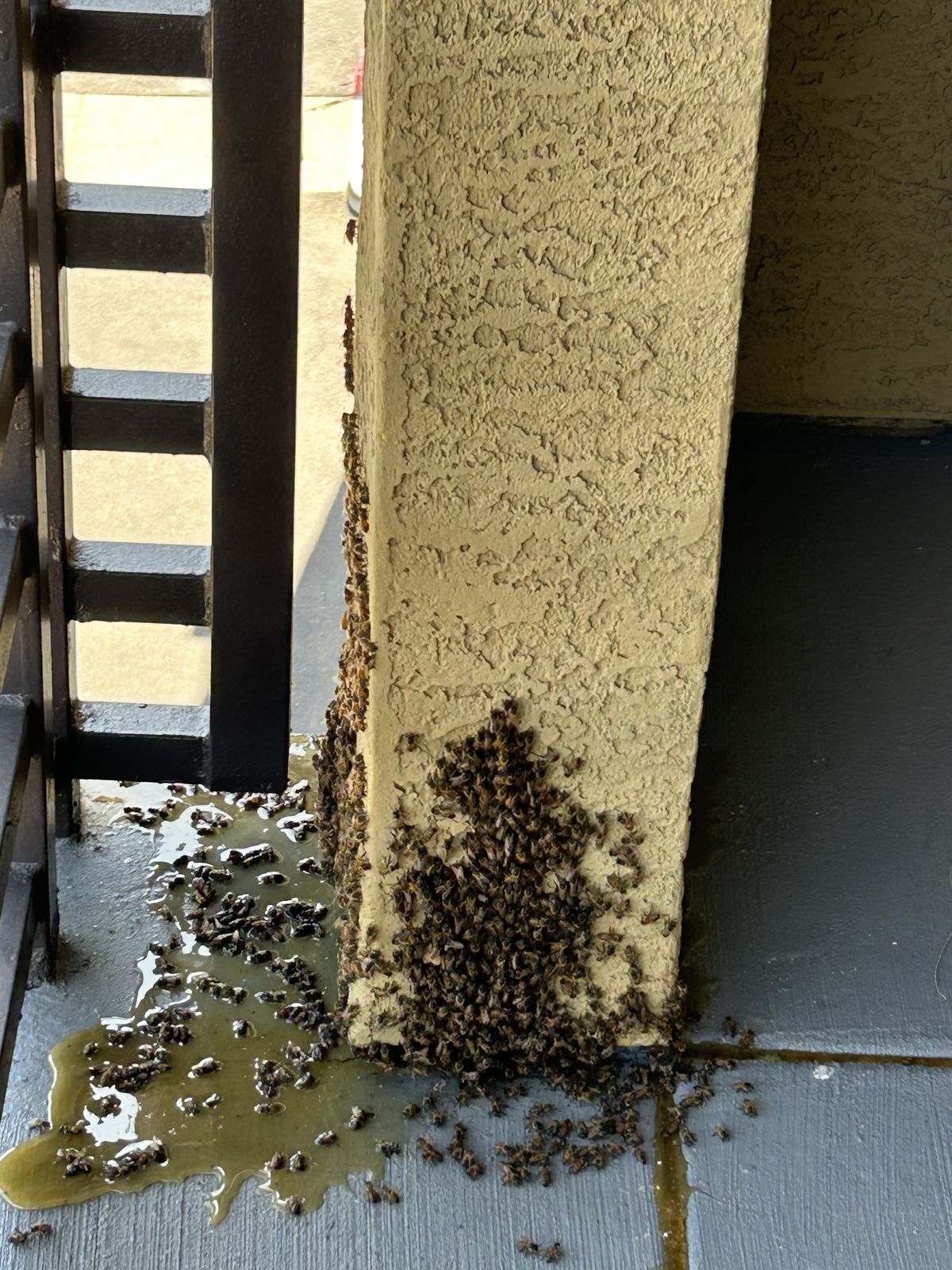
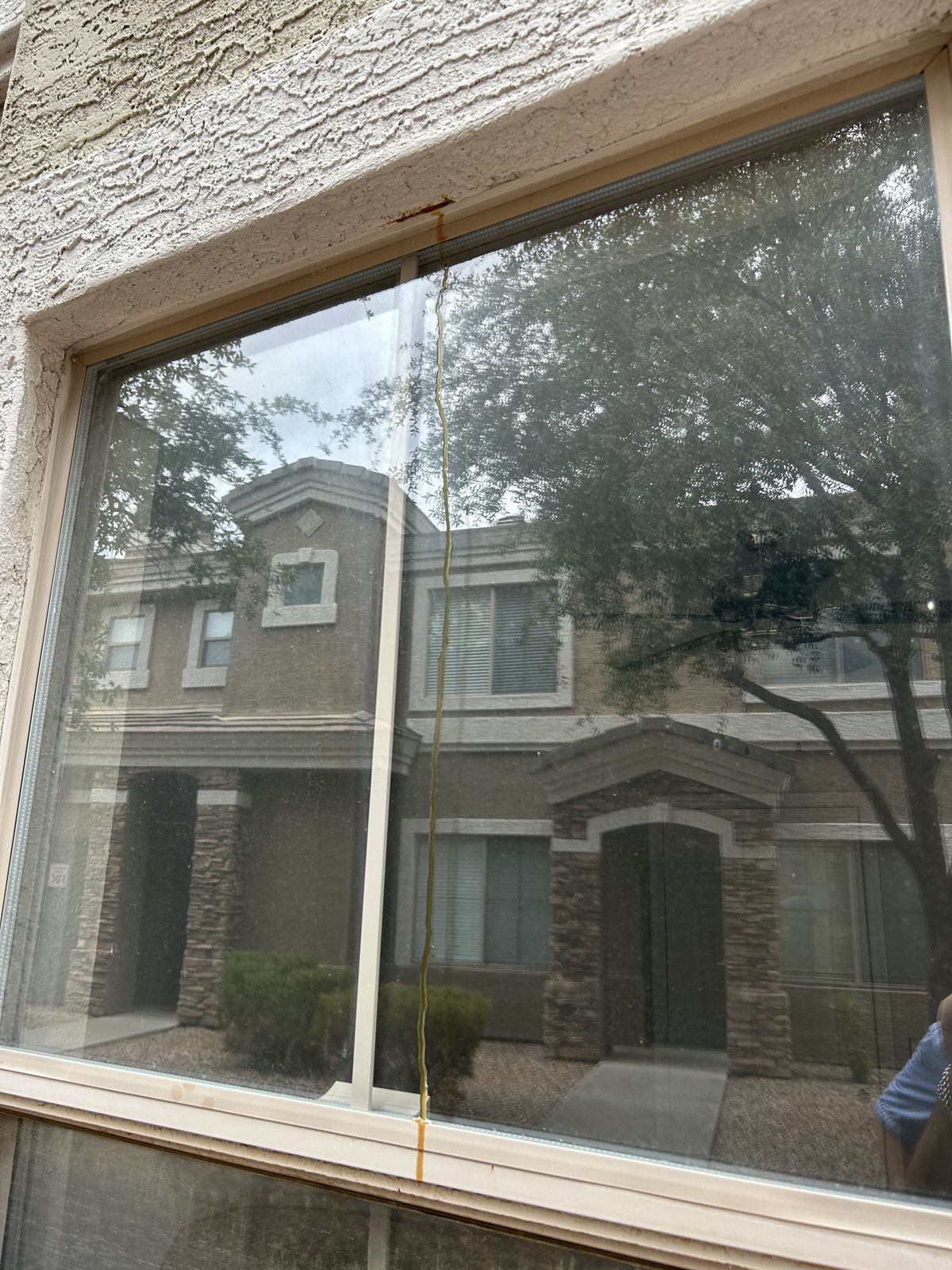
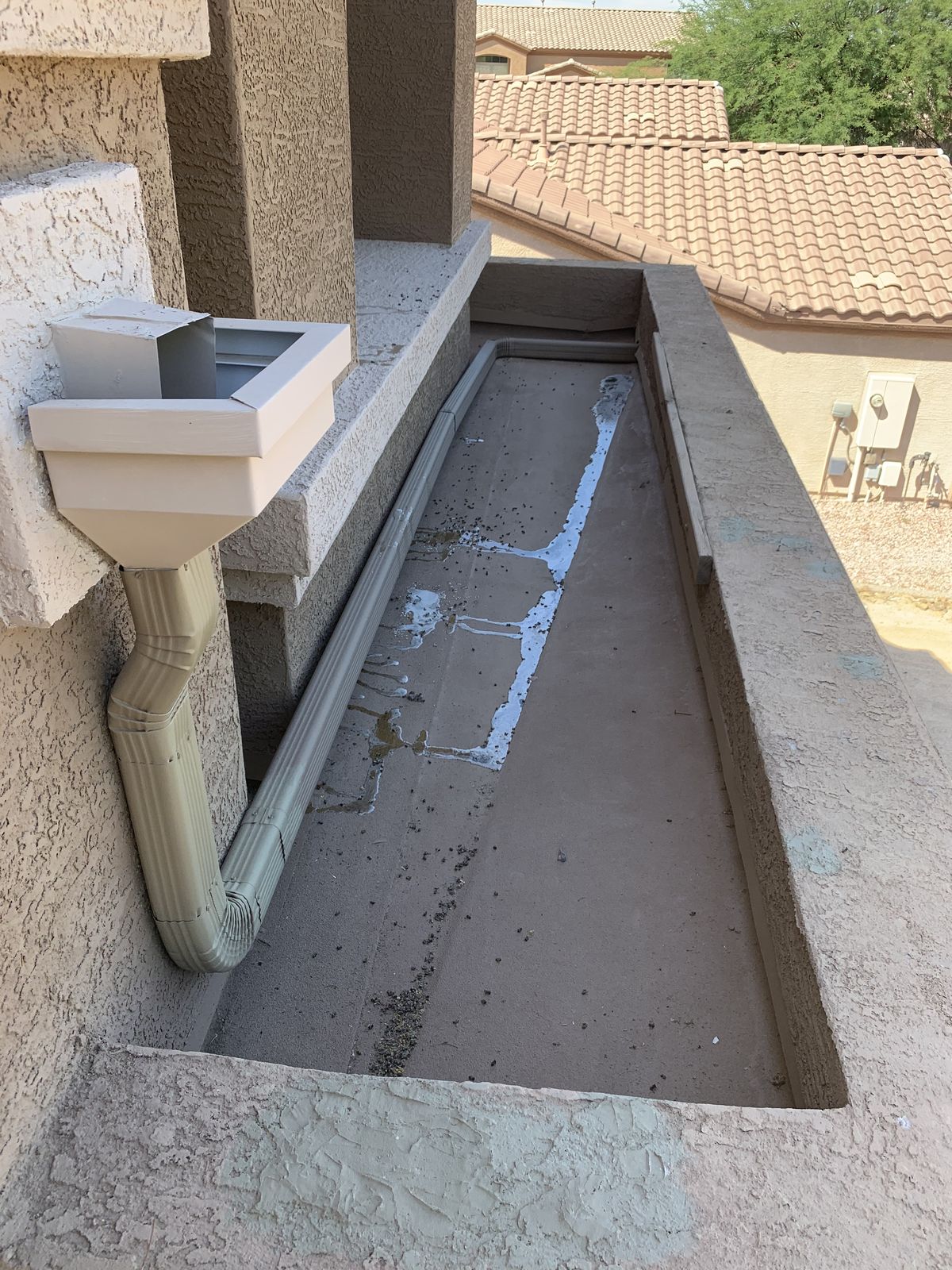
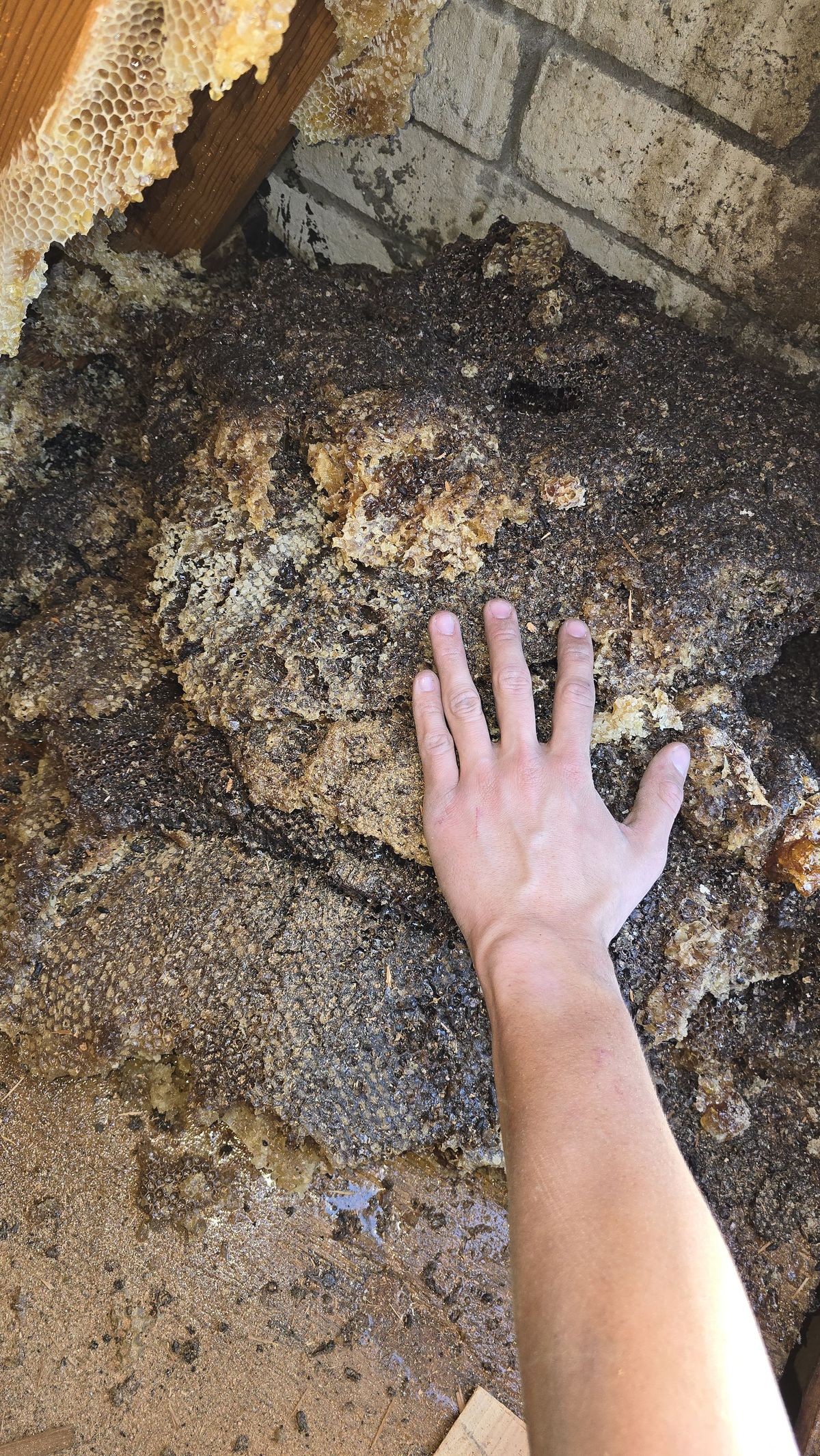
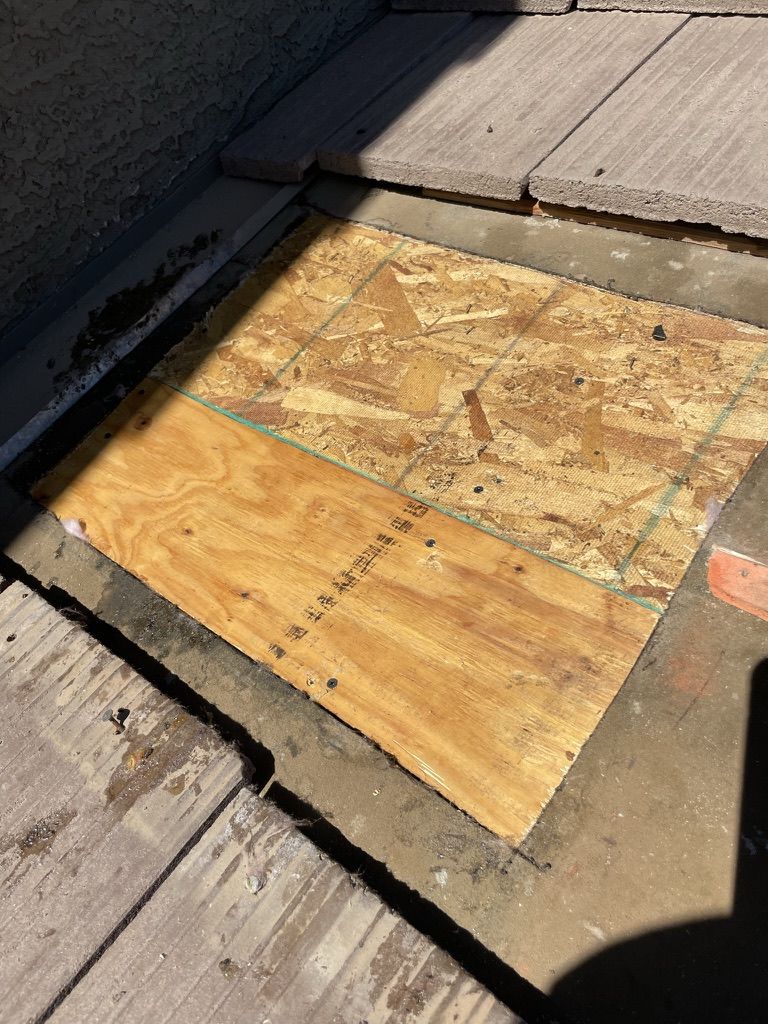
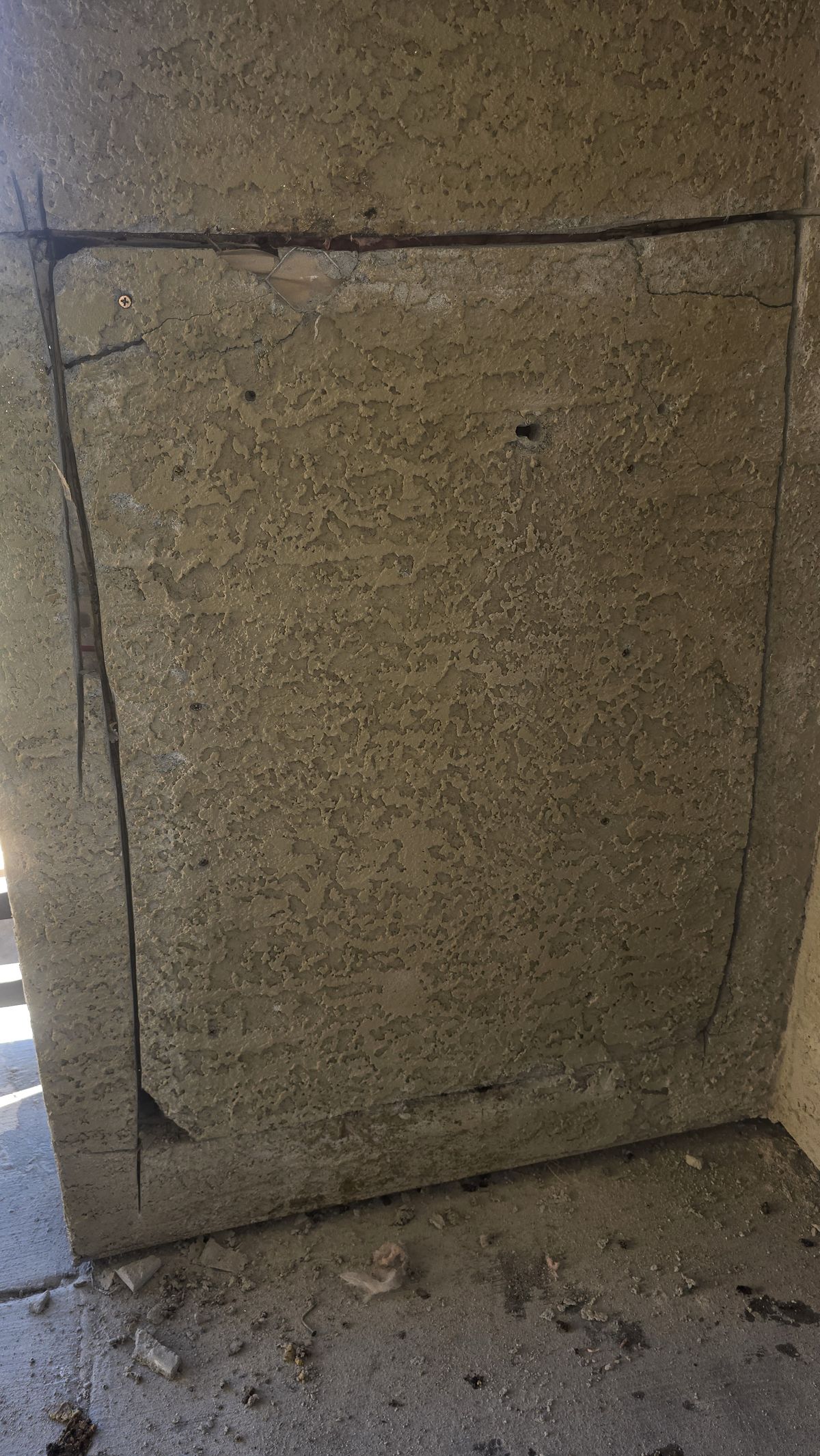
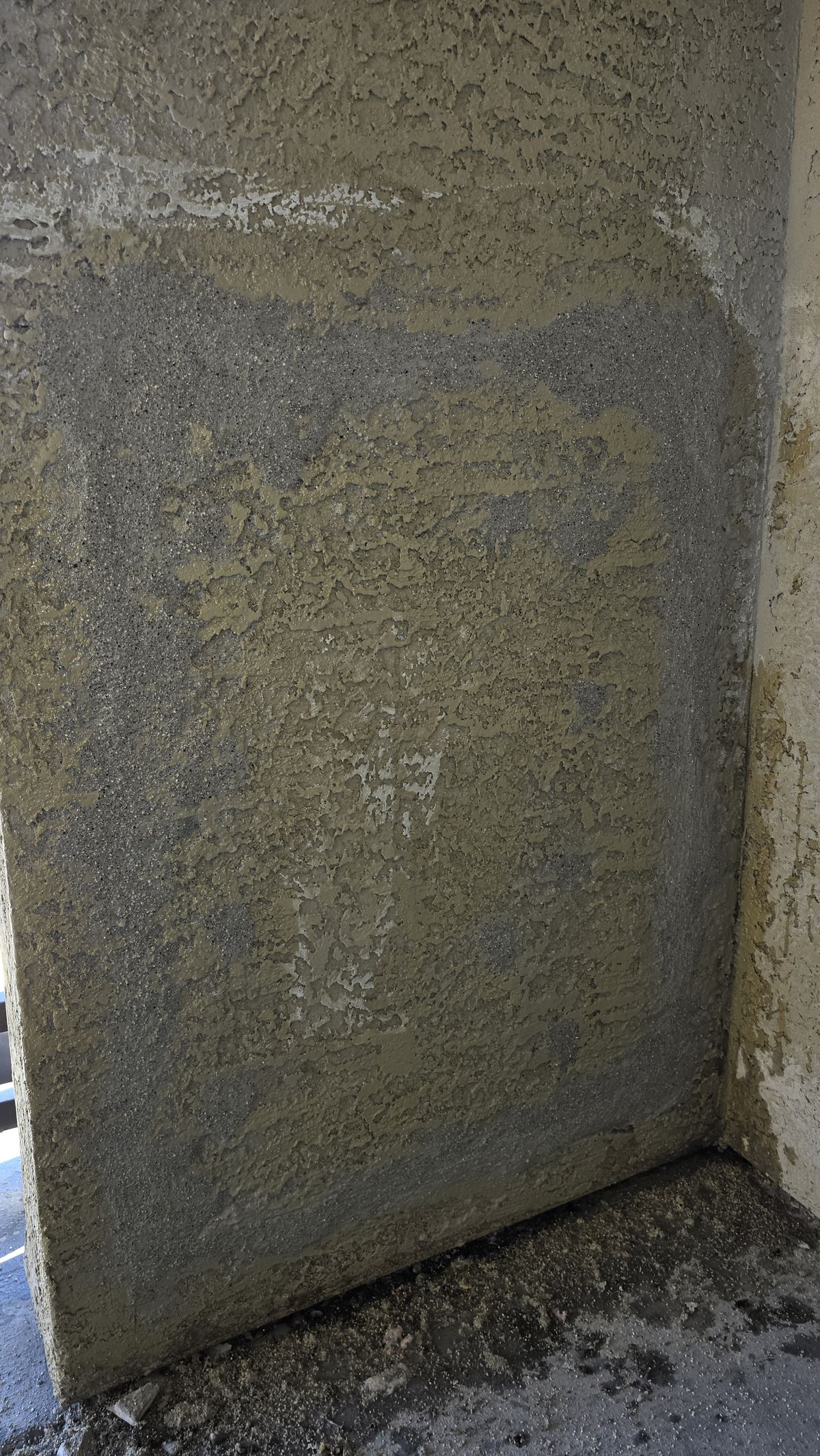
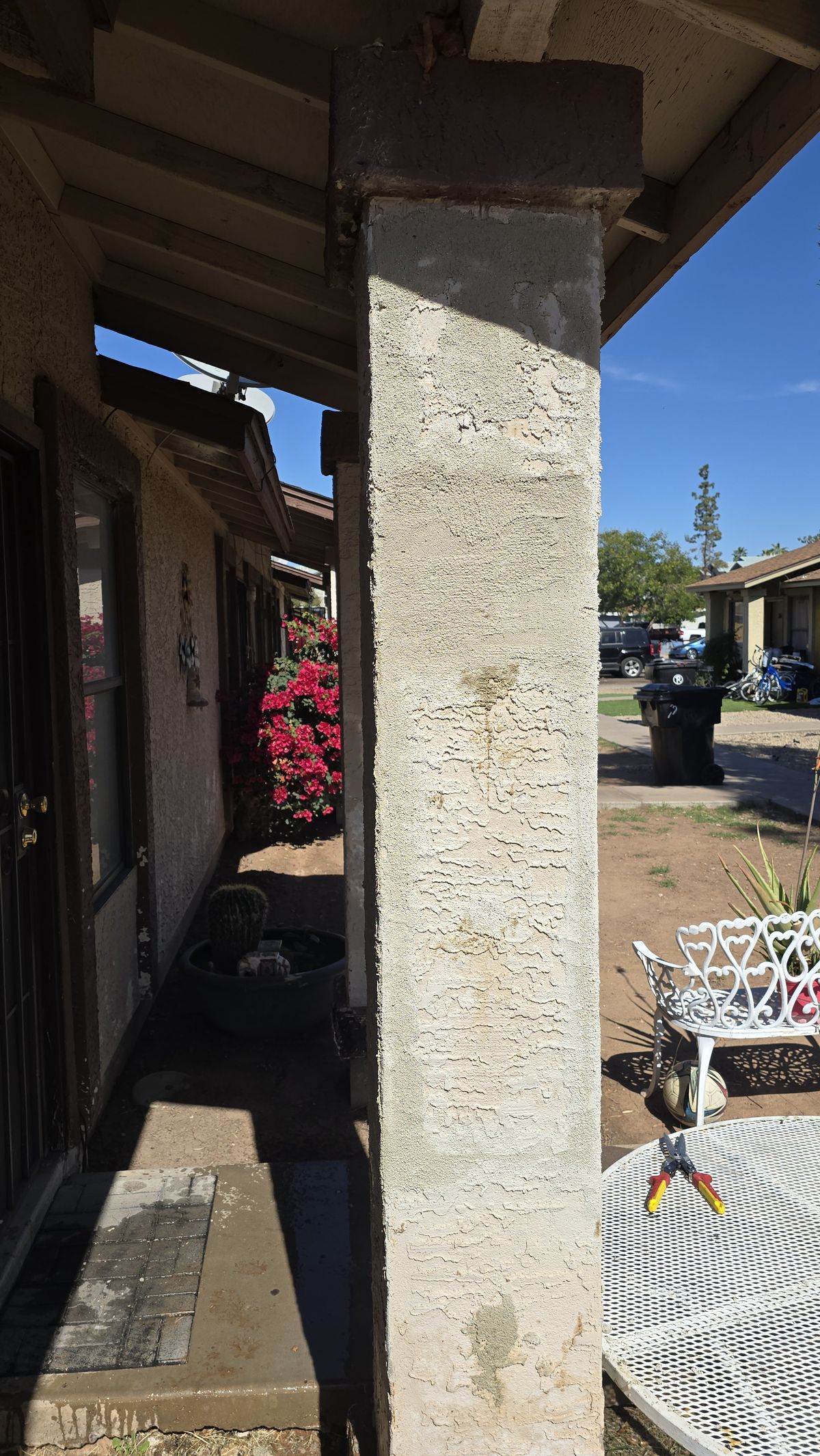
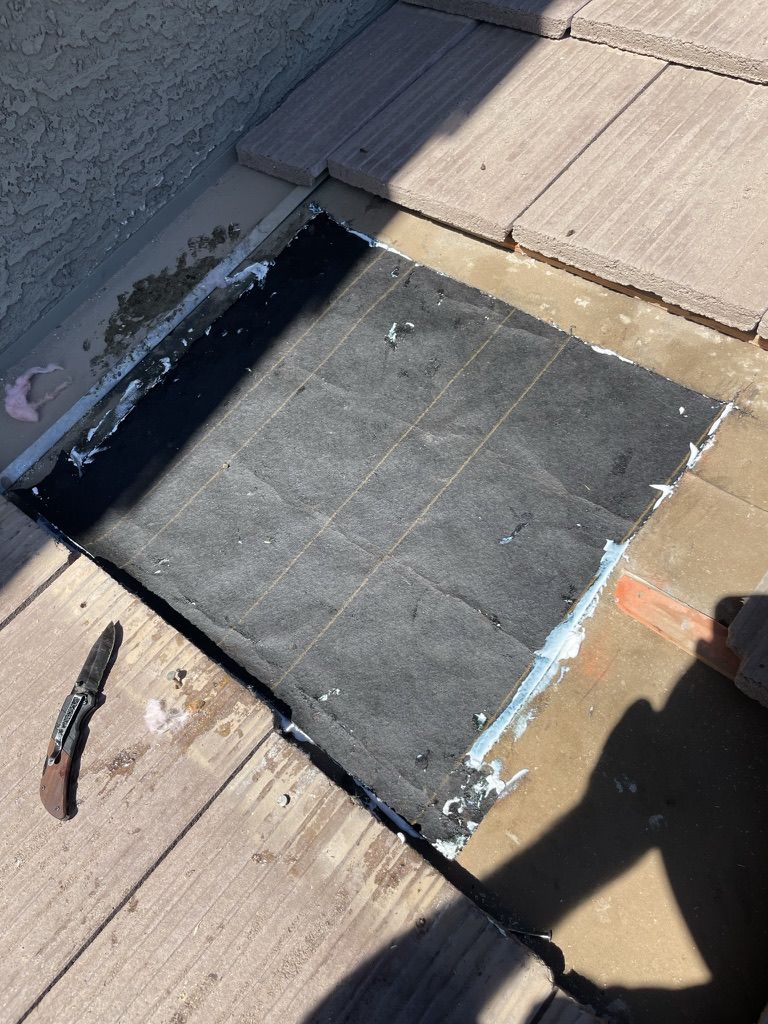
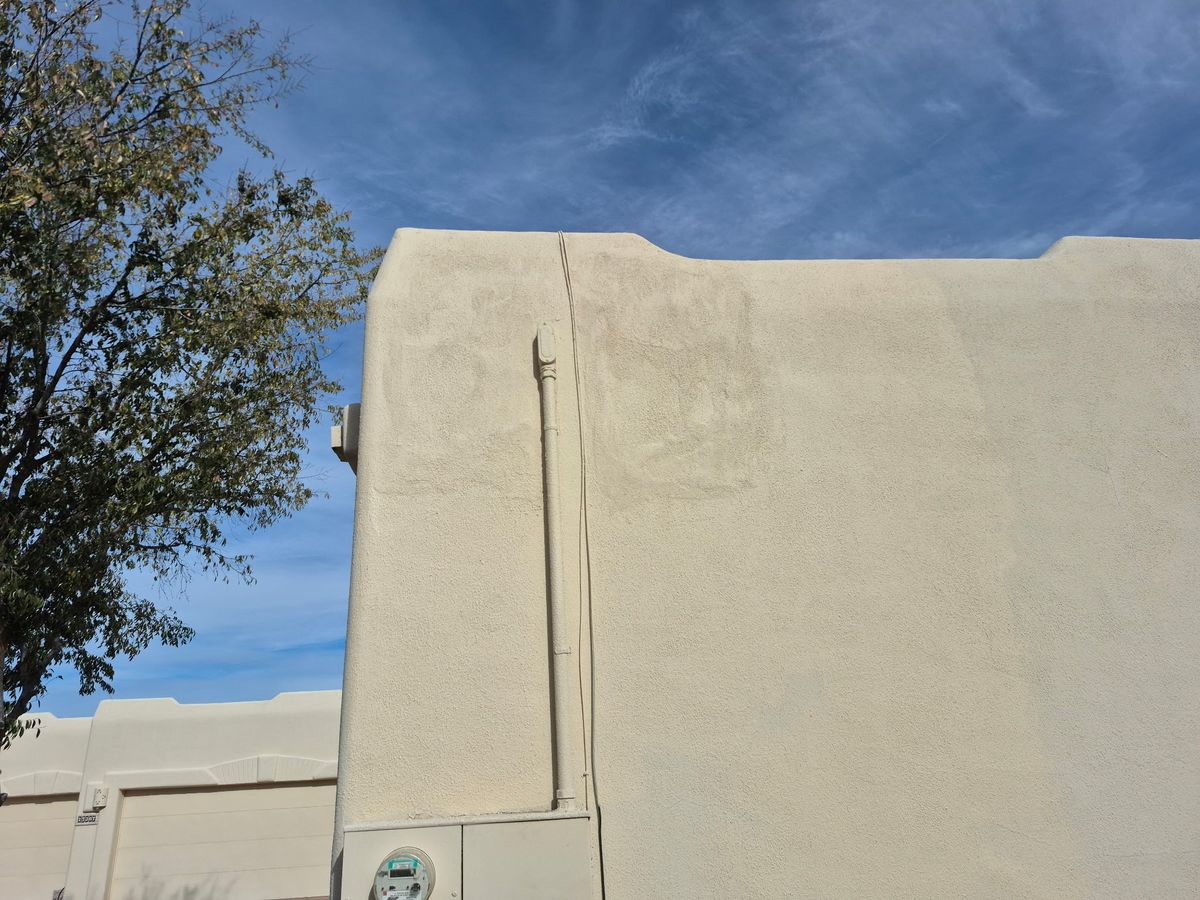
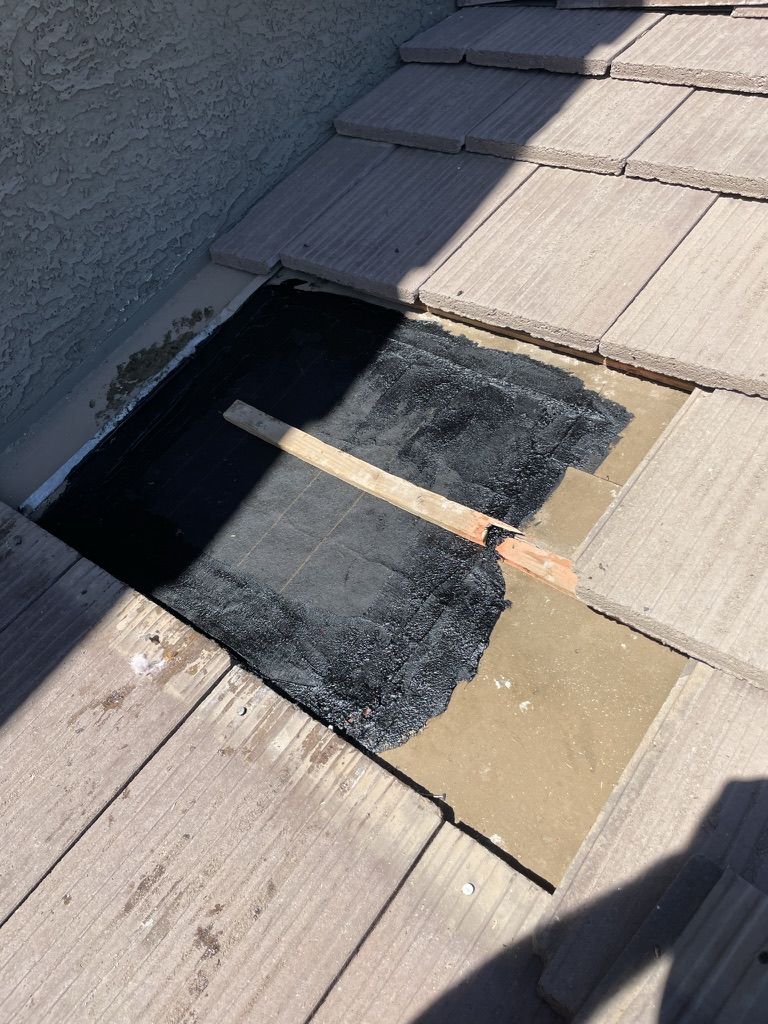
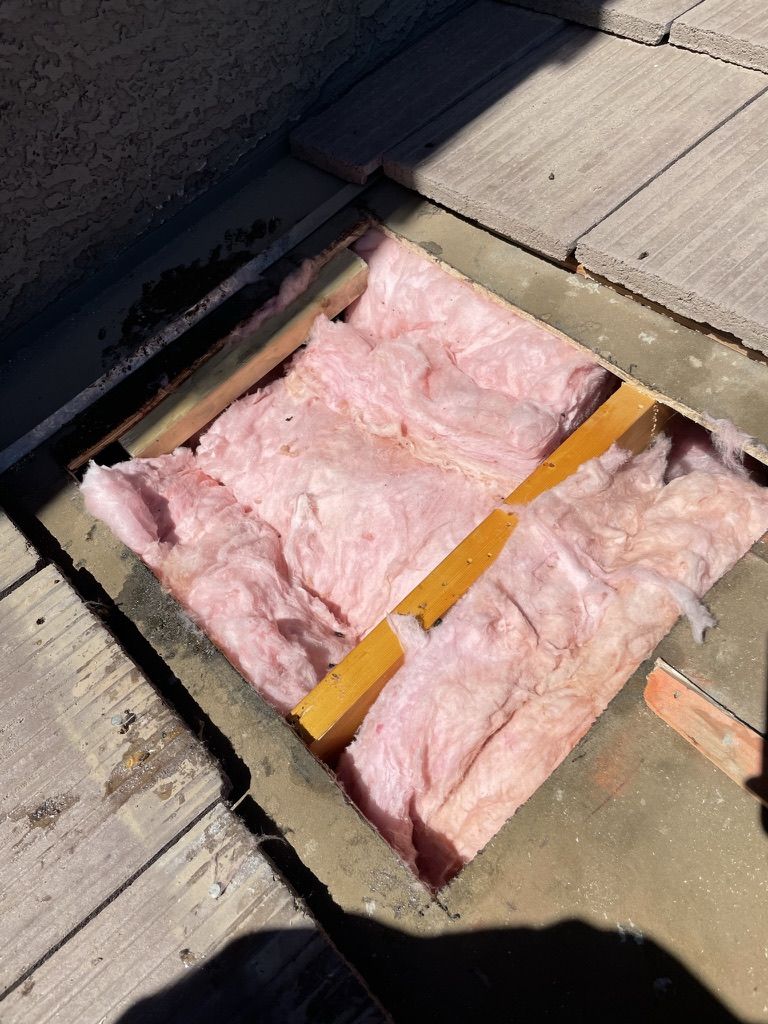
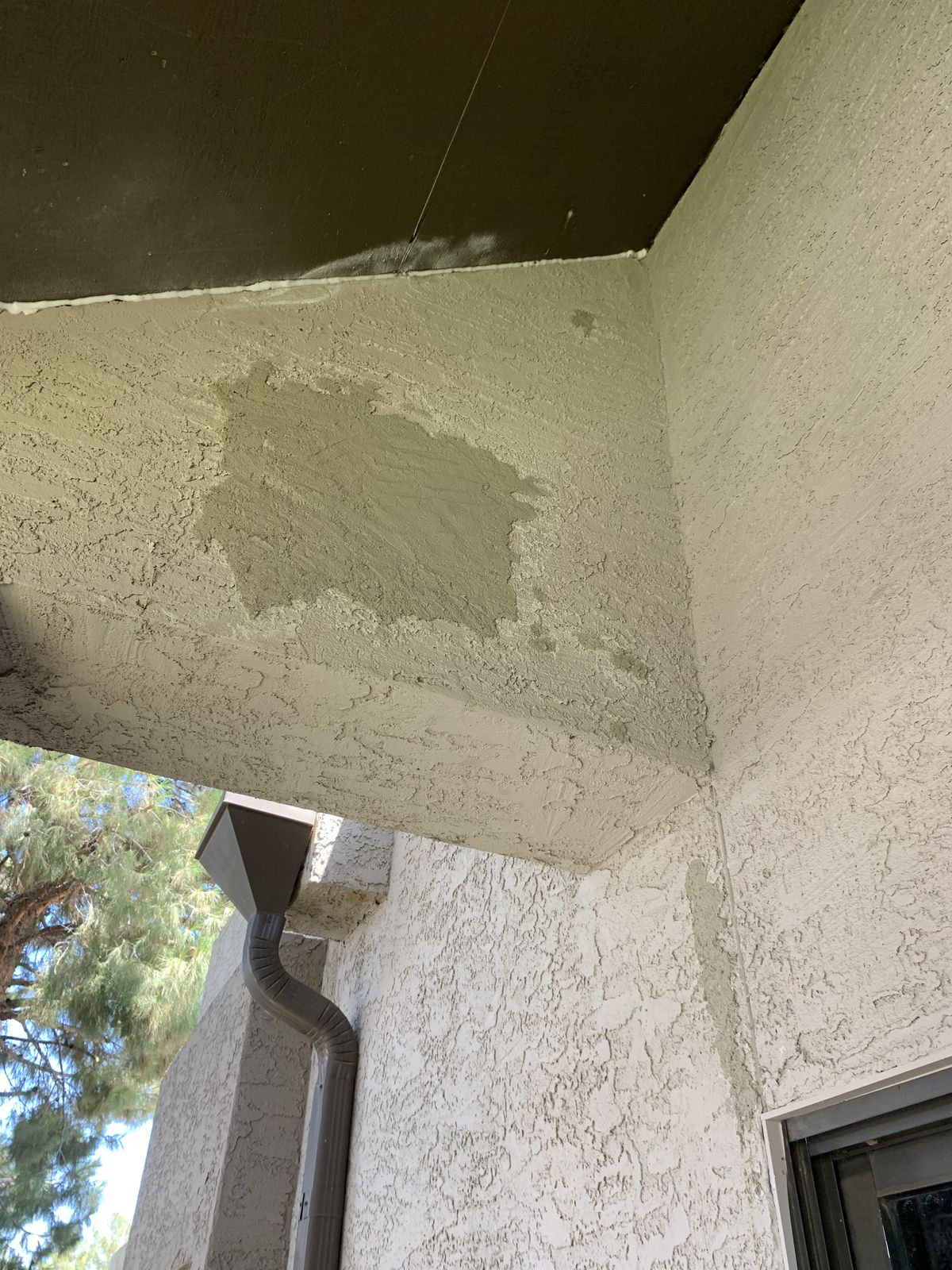
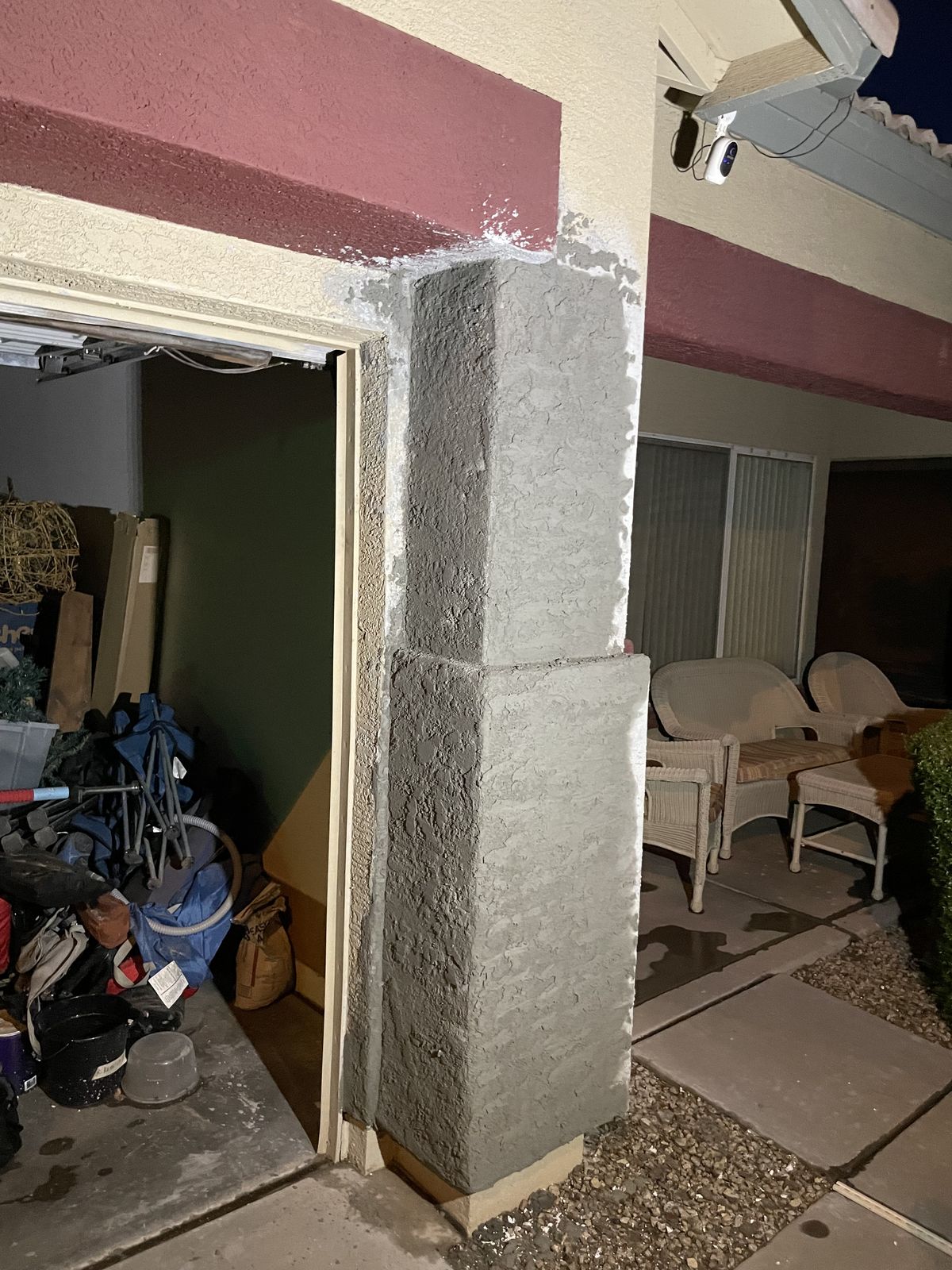
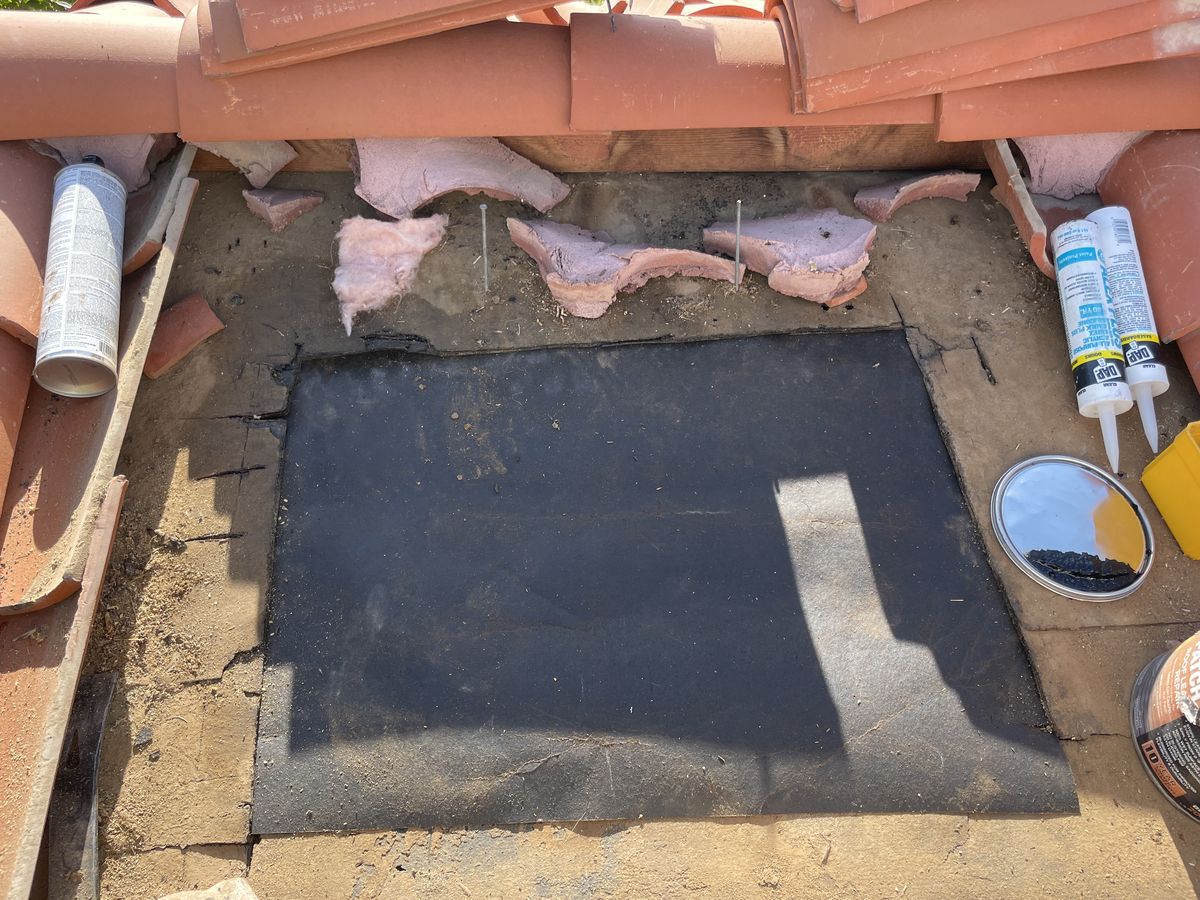
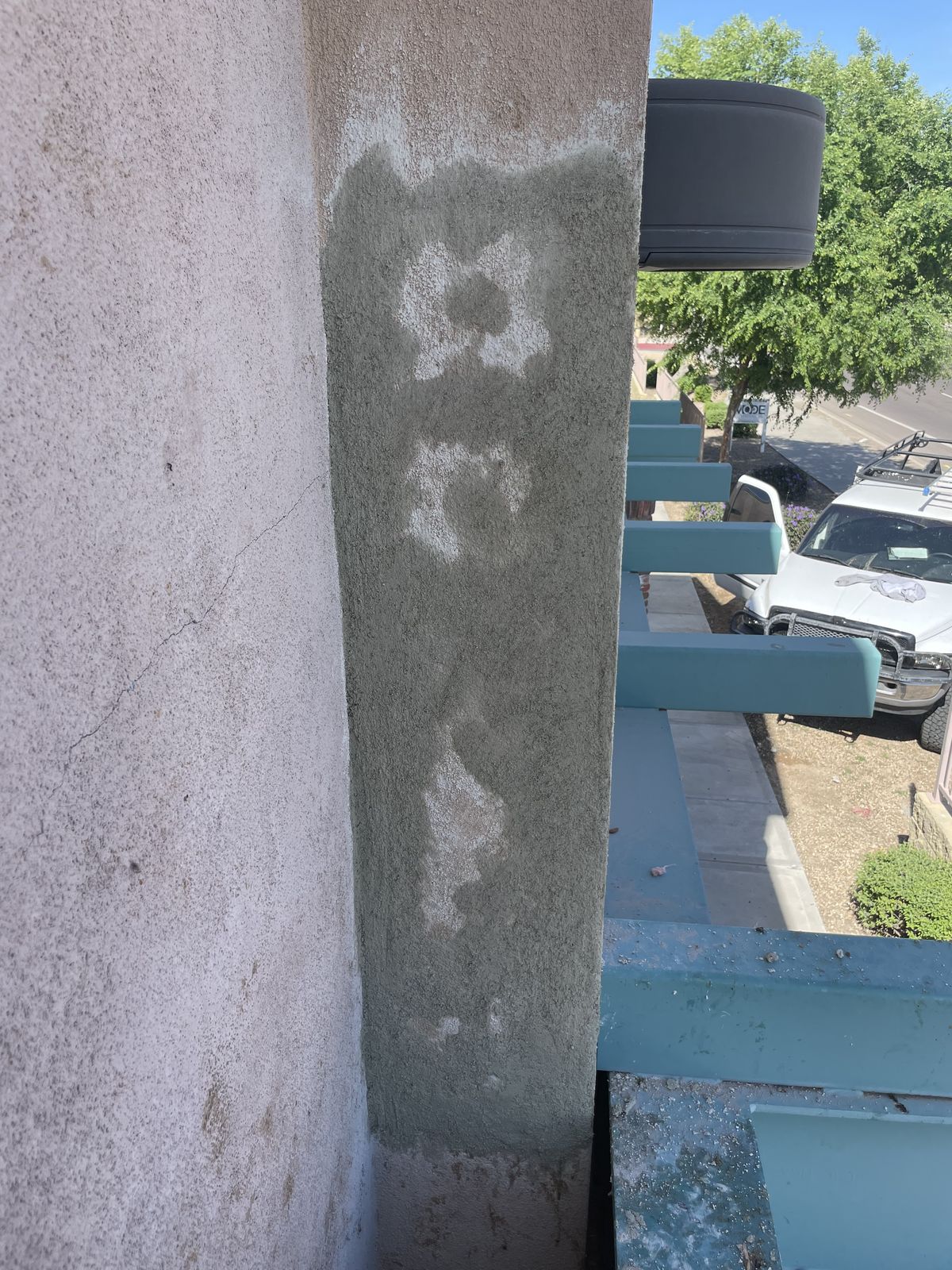
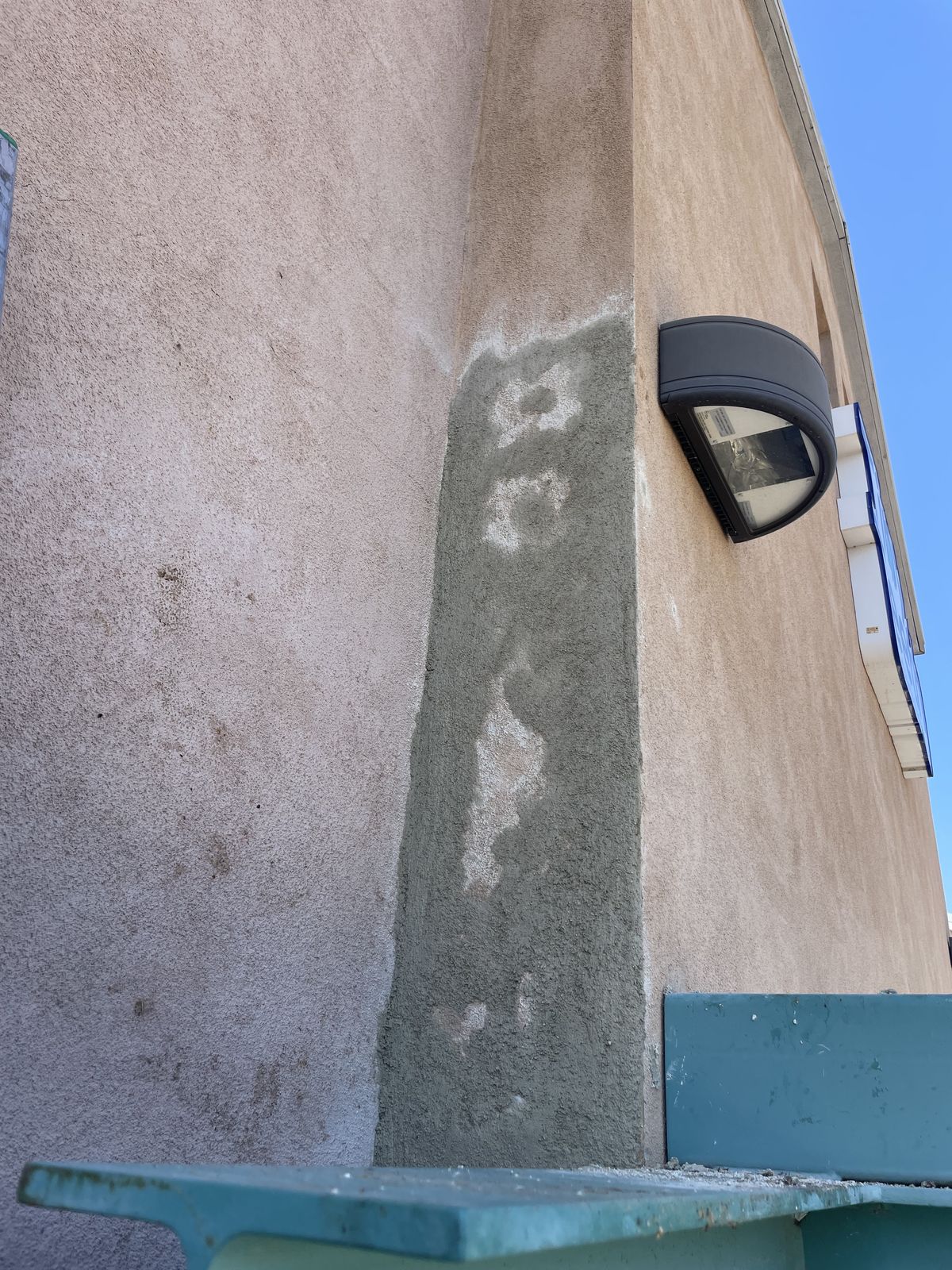
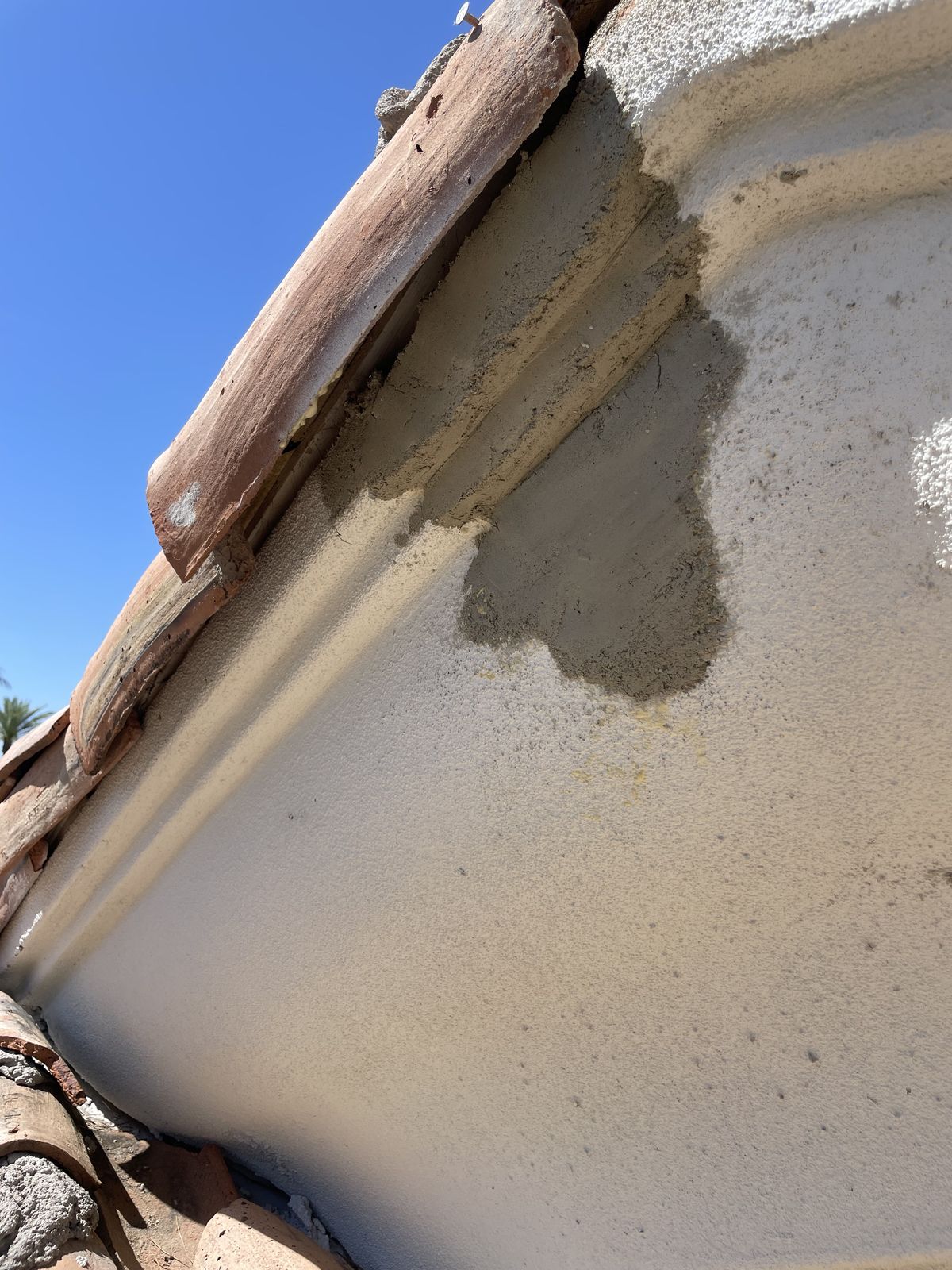
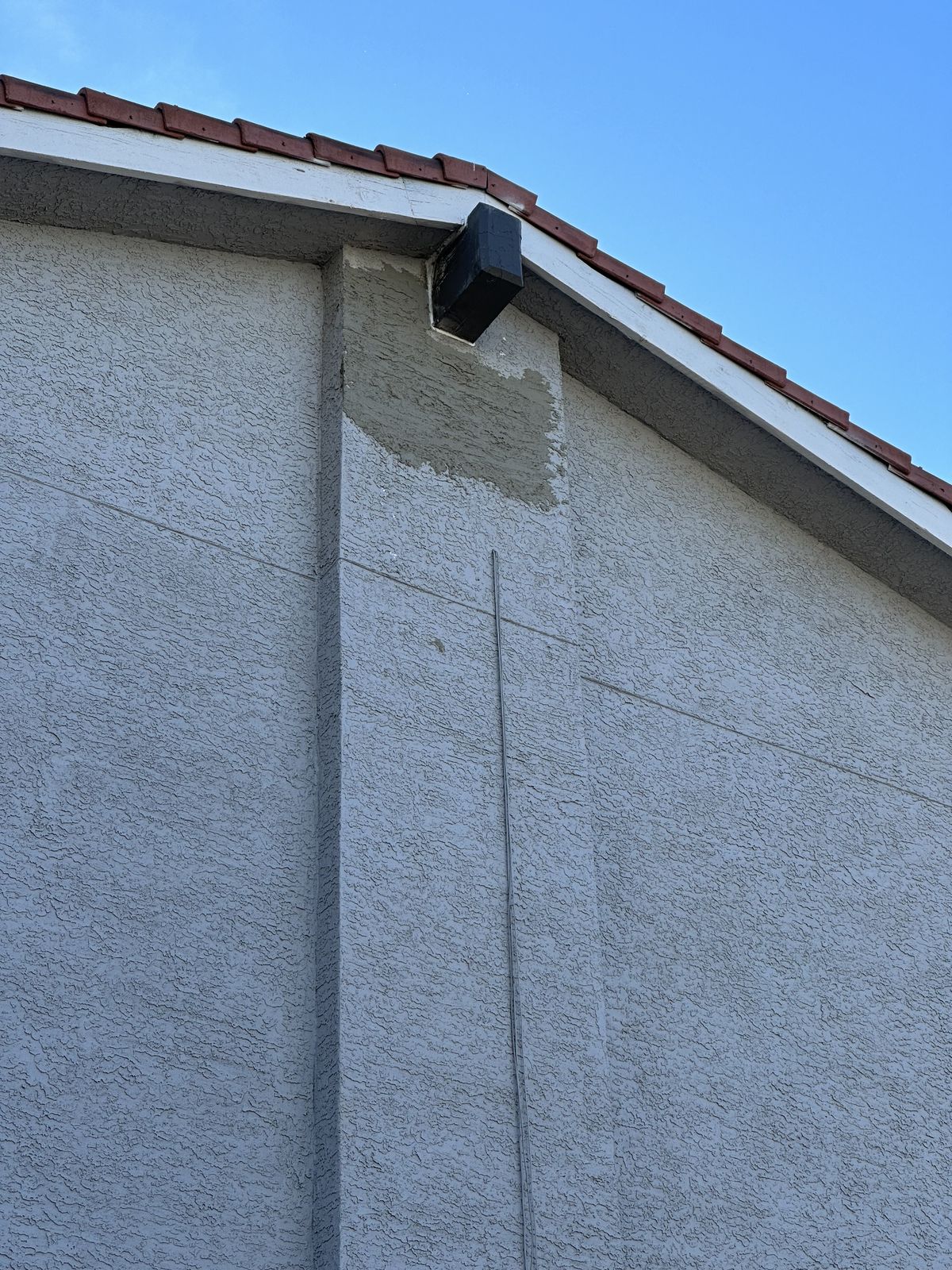
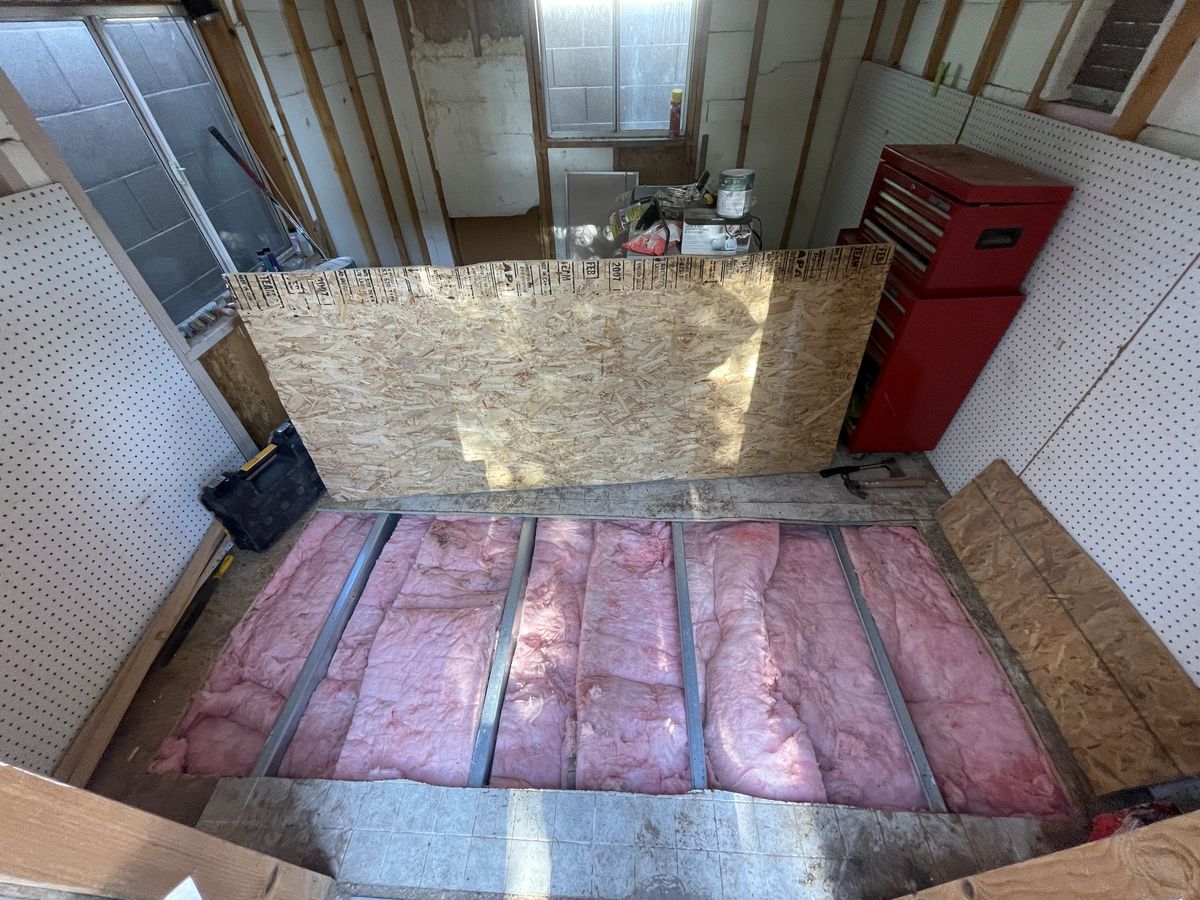
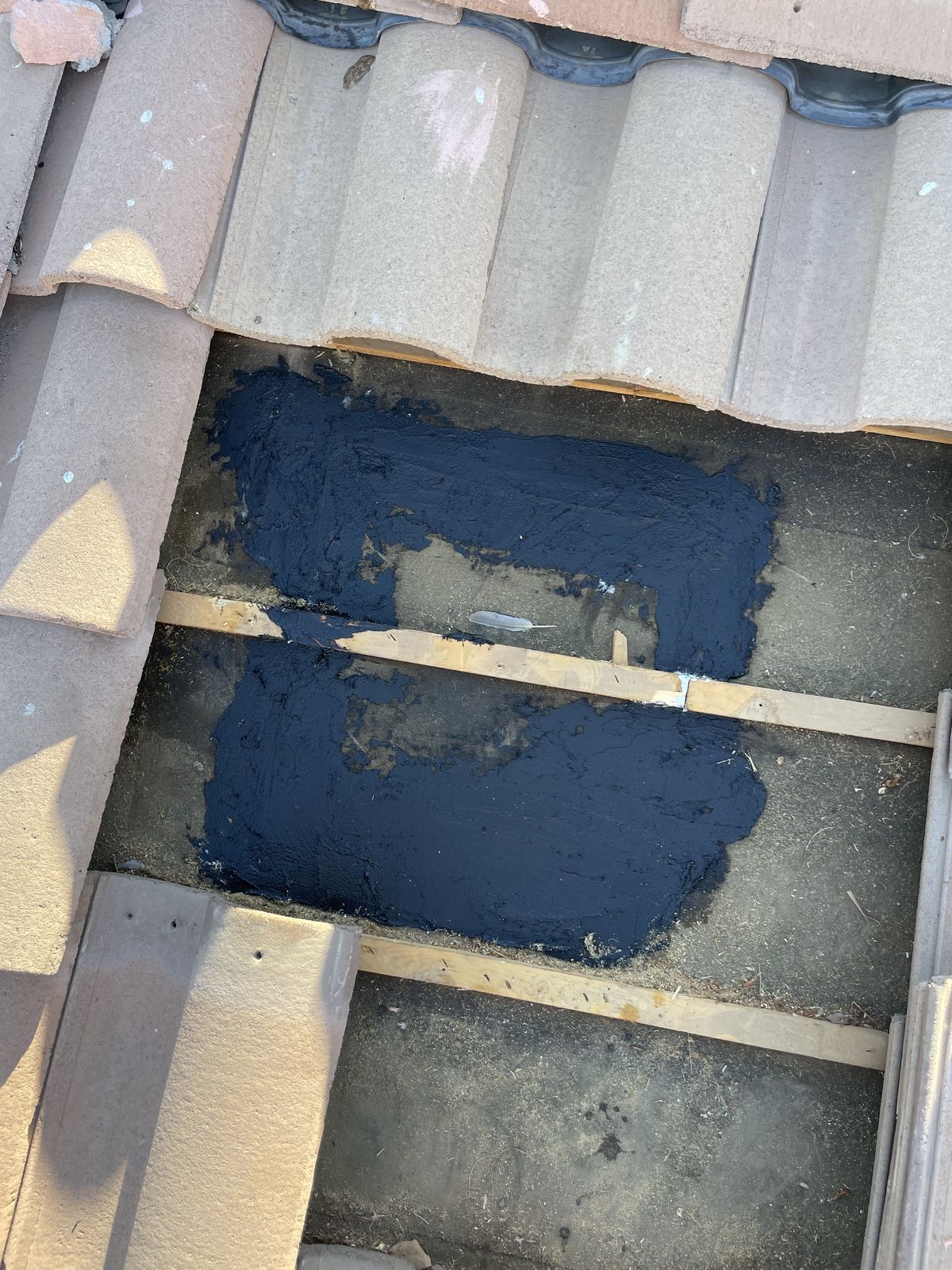
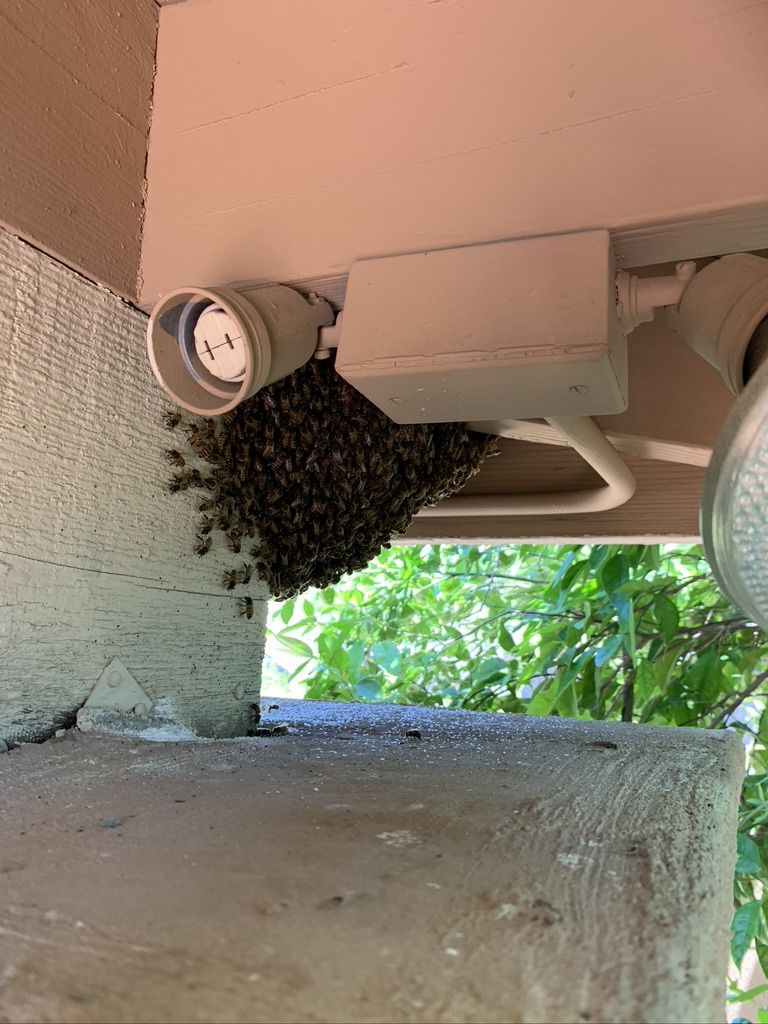
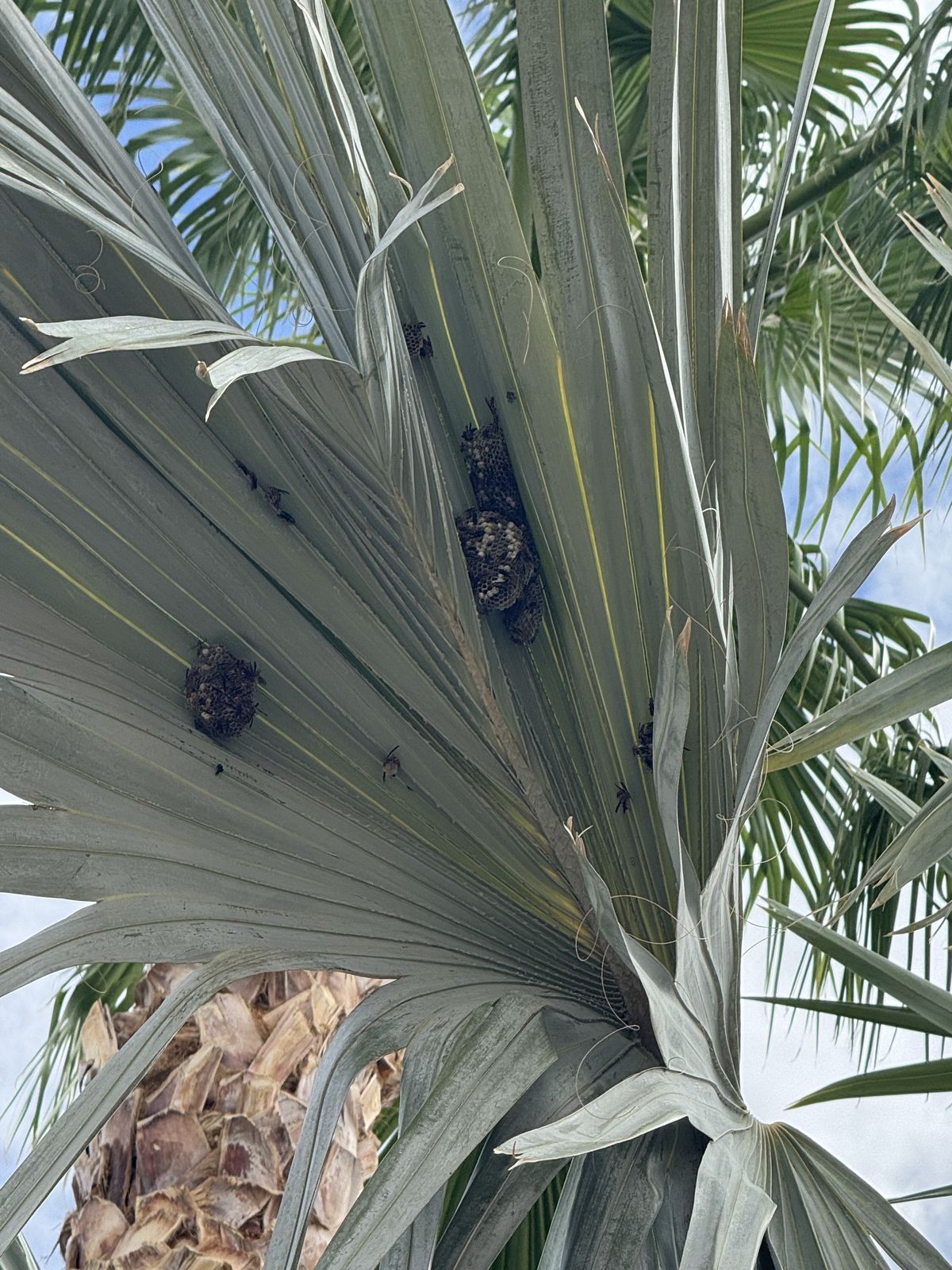
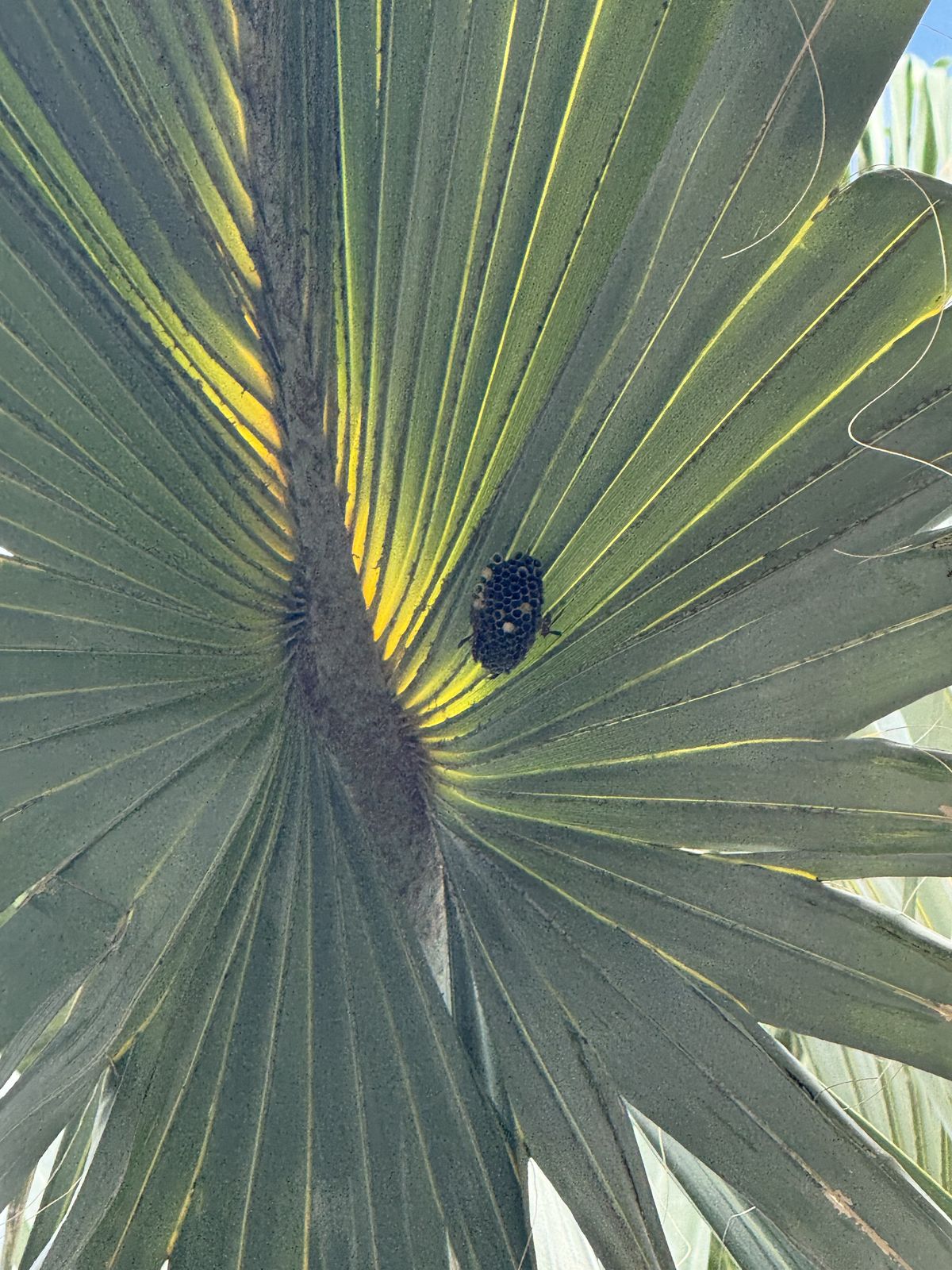
102 photos | click any image to view full size
Frequently Asked Questions
See bees or wasps on your property? Call before it gets worse.
A resting swarm today can be a wall colony tomorrow. A single wasp nest under the eave can become five by the end of summer. We respond same-day for bee and wasp emergencies across the Phoenix Valley.
 Pigeon Control
 Small Bird Control
 Woodpecker Control
 Rodents
 Gophers
 Spiders
 Scorpions
 Snakes
 Cockroaches
 Bats
Bats General Pest
 Attic Remediation
 Commercial Pest Control
 Service Gallery